
Plants
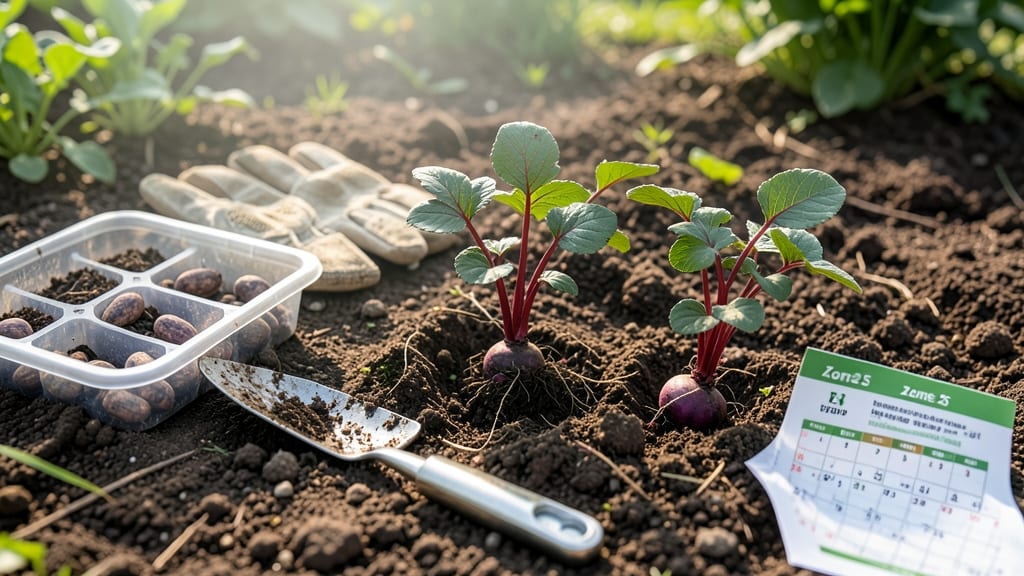
Timing your beet planting in Zone 5 could mean the difference between a bountiful harvest of tender 🍠 roots and a bitter disappointment. With Zone 5’s unpredictable frosts and short growing season, getting the schedule right is everything.
Most gardeners assume spring is the only time to plant beets, but in Zone 5, fall actually offers sweeter results with fewer pests. I’ll break down the exact windows—both spring and fall—that work best for your climate, plus how to avoid common mistakes that ruin crops.
You’ll discover when to start seeds for early summer harvests, how to extend the season into October, and why soil temperature matters more than you think. Let’s get your beet patch thriving with a foolproof timeline tailored just for Zone 5.
Whether you’re a first-time gardener or a seasoned pro, these practical tips will help you grow beets that are consistently sweet, tender, and ready at the perfect time. Ready to dig in?
Best spring planting timeline for beets in Zone 5
Zone 5 gardeners know that timing is everything when growing beets. These cool-weather crops thrive when planted at the right moment—too early and frost ruins them; too late and heat triggers bolting. The key is balancing soil temperatures between 40°F and 65°F for optimal germination and growth.
Most Zone 5 regions experience their last frost around mid-May, but soil warms more slowly. I’ve found that starting seeds 4-6 weeks before your average last frost date gives them the best chance to establish roots before summer heat arrives.
For example, if your last frost is May 15, aim to plant by April 15 for early summer harvests.
Here’s the breakdown of your spring planting windows, including critical soil temperature thresholds and harvest timelines to help you plan:
| Planting Window | Soil Temp (°F) | Days to Harvest | Key Risks | Pro Tip |
|---|---|---|---|---|
| Early Spring (4-6 weeks before last frost) | 40-50°F | 50-60 days | Frost damage if planted too early | Use row covers for extra protection |
| Late Spring (2-3 weeks after last frost) | 55-65°F | 45-55 days | Bolting in heat | Choose bolt-resistant varieties like 'Detroit Dark Red' |
For continuous harvests, I recommend succession planting every 2 weeks after your first planting. This ensures you’re always pulling fresh beets from June through September, when they’re at their sweetest.
Start with a small test batch in early spring to gauge your local frost patterns—some years, April can still bring surprises!
One trick I’ve learned is to plant half your seeds in early spring and the other half in late spring. This staggered approach gives you a longer harvest window and reduces the risk of losing your entire crop to a single late frost or heatwave.
Plus, it’s easier to manage pests when beets aren’t all maturing at once.
If you’re new to growing beets, don’t overlook the importance of soil preparation. Amend your garden beds with compost or aged manure before planting to ensure your beets have the nutrients they need to develop those sweet, tender roots.
Beets are heavy feeders, so rich soil is non-negotiable for success.
Pro tip: Mark your planting dates on a garden calendar and set reminders for thinning seedlings. Beets need space to grow—thin them to 3-4 inches apart once they’re 2 inches tall. This might seem tedious, but it prevents competition and ensures larger, more flavorful roots.
Remember, the goal is to harvest your beets before the bolting stage, when they turn woody and bitter. With the right timing, you’ll enjoy crisp, earthy beets all summer long—no bitter surprises here!
Fall planting secrets for Zone 5 beets (why it works better than spring)
If you’ve ever struggled with spring-planted beets bolting too quickly or tasting bland, fall planting might be your secret weapon. In Zone 5, cooler autumn soil and shorter daylight hours create perfect conditions for sweeter, more tender roots.
Unlike spring, fall beets avoid the rush of early heat and often produce higher yields with less pest pressure.
Most gardeners focus on spring, but late summer to early fall is actually the ideal time for beets in Zone 5. Planting 8-10 weeks before your first frost (typically mid-October) ensures roots mature before winter sets in.
This timing also aligns with harvest windows that extend into late fall, giving you fresh beets when other crops fade.
3 Reasons Fall Beets Outperform Spring in Zone 5
- 🌡️ Cooler soil temps (50-60°F) prevent bolting and improve sweetness.
- 🐛 Fewer pests (e.g., leaf miners) in late season.
- 🥕 Harvest aligns with winter storage for fresh beets all year.
To maximize success, start by prepping your soil in early August. Work in 2-3 inches of compost to replenish nutrients lost during summer. Unlike spring, fall soil retains moisture longer, reducing the need for frequent watering.
Aim for a pH between 6.0 and 7.0—beets are forgiving but thrive in slightly acidic to neutral soil.
Sow seeds ½ inch deep and 1-2 inches apart in rows spaced 12-18 inches apart. For a continuous harvest, make succession plantings every 2 weeks from late July through mid-August.
This staggered approach ensures you’re harvesting beets every 2-3 weeks until frost. Use light row covers if early frosts threaten, but avoid plastic that can trap too much heat.
One of my favorite fall tricks is mulching heavily with straw or shredded leaves after planting. This insulates roots from temperature swings and keeps soil moist. In Zone 5, a 3-4 inch mulch layer can extend your harvest by 2-3 weeks into winter.
Just be sure to pull back mulch before harvesting to avoid damaging tender roots.
Fall beets often develop deeper, sweeter flavors because they grow slower in cooler weather. Harvest when roots reach 1-3 inches in diameter—pull gently to avoid breaking the skin. Store extra beets in a cool, dark place (like a root cellar) for up to 3 months.
With fall planting, you’ll enjoy homegrown beets long after your spring crop has faded.