
Companion Plants
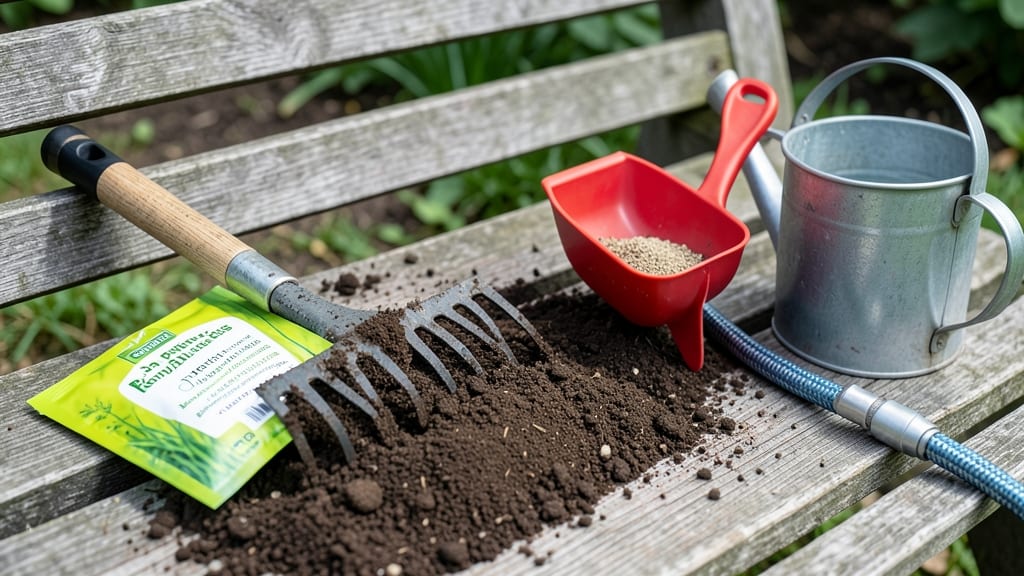
Planting grass seed at the wrong time in spring can leave you staring at bare patches for months—until now, there’s a simple secret to fast germination: soil temperature. The ideal window isn’t just about the calendar; it’s about waiting for the ground to warm up just enough to kickstart growth.
Most homeowners make the mistake of rushing in too early, only to watch their seeds sit dormant or wash away. But when you time it right—typically between early April and early June in Zone 6a—you’ll see those first green shoots in just 2-4 weeks.
The trick? Monitoring soil temps (aim for 55-65°F) and choosing the perfect moment before summer heat sets in.
In this guide, I’ll break down exactly when to plant based on your region, how to test soil temperature like a pro, and the 5 pro tips that’ll give your grass a head start. No more guesswork—just a lush lawn that’s ready for summer fun.
Ready to transform your patchy yard into a vibrant green space? Let’s dive into the fastest, easiest way to plant grass seed this spring—without the waiting game.
The ideal soil temperature range for planting grass seed in spring
Planting grass seed in spring is all about soil temperature. If the ground is too cold, seeds won’t germinate; if it’s too hot, they’ll dry out before sprouting.
The sweet spot for most grass types is between 40°F and 65°F, but the exact timing depends on whether you’re planting cool-season or warm-season grass.
Cool-season grasses like Kentucky bluegrass and fescue thrive when soil temps are between 50°F and 65°F. These varieties are perfect for early spring planting, as soon as the ground thaws but before summer heat arrives.
Warm-season grasses, such as Bermuda and Zoysia, prefer warmer soil—aim for 65°F to 75°F—making late spring or early summer the ideal window.
Here’s the critical detail: soil temperature isn’t the same as air temperature. A sunny 70°F day might hide 50°F soil, while a cool morning could still have warmed soil.
That’s why testing is key. Use a soil thermometer (or a DIY method like checking when dandelions bloom—55°F+ soil triggers their growth).
Pro Tip: If you’re unsure, plant 4–6 weeks before your last expected frost date. This gives seeds time to germinate before summer heat sets in. For example, in USDA Zone 5, that’s often mid-April, while in Zone 8, it might be mid-March.
Now, let’s break down the perfect soil temps for germination by grass type, along with other key factors like watering and sunlight needs. This summary table will help you plan like a pro:
| Grass Type | Ideal Soil Temp | Best Planting Window | Germination Time | Sunlight Needs |
|---|---|---|---|---|
| Cool-Season (Kentucky Bluegrass, Fescue, Ryegrass) | 50°F–65°F | Early Spring (March–April) | 7–21 days | Full sun (6+ hours) |
| Warm-Season (Bermuda, Zoysia, St. Augustine) | 65°F–75°F | Late Spring (May–June) | 10–28 days | Full sun (6–8 hours) |
| Tall Fescue (Drought-Tolerant) | 55°F–70°F | Early to Late Spring (March–May) | 10–14 days | Full sun to partial shade |
Notice how cool-season grasses germinate faster in cooler soil? That’s why early spring is ideal for them. Meanwhile, warm-season grasses need that extra warmth to kickstart growth.
If you’re in a transition zone (like Zone 6–7), you might even plant cool-season grass in fall and warm-season in late spring for year-round coverage.
One more critical tip: Avoid planting when soil temps exceed 75°F. Seeds can dry out or even cook in the heat. If your spring is warming up fast, opt for shade-tolerant varieties or plant in partial shade areas until temps drop.
Now that you’ve got the soil temperature timing down, let’s tackle another big question: When should YOU plant based on your specific region? The answer varies wildly from Zone 3’s late April to Zone 10’s early March. Stick around for the next section to find your perfect planting window!
Regional spring planting timelines: when to plant by u.s. climate Zone
Spring’s arrival brings hope for a vibrant lawn, but the perfect planting window varies dramatically across the U.S. Planting grass seed too early risks frost damage, while waiting too long can leave your lawn vulnerable to weeds or summer heat stress. The key is aligning your planting schedule with your USDA Hardiness Zone and local frost dates—here’s how to pinpoint the ideal time for your region.Most gardeners aim to plant grass seed 4-6 weeks before the last expected frost date, but this window shifts depending on whether you’re growing cool-season grasses (like Kentucky bluegrass or fescue) or warm-season grasses (like Bermuda or Zoysia).
For cool-season varieties, early spring planting (March–April in most zones) gives seedlings time to establish before summer heat arrives. Warm-season grasses, however, thrive when planted in late spring (May–June) after soil warms to 65–75°F.
🌱
Microclimates—like south-facing slopes or shaded areas—can shift your ideal planting window by 1–2 weeks. For example, a sunny patch in Zone 6 might be ready for seeding in early April, while a shady spot could wait until late April.
Always check your local frost date averages (via the [USDA Plant Hardiness Map](https://planthardiness.ars.usda.gov/)) and adjust for recent weather patterns—unpredictable springs can delay or accelerate soil warming.
If you’re unsure whether your soil is ready, use the "finger test": Push your finger 3 inches into the soil. If it feels cool but not freezing, it’s likely in the 50–60°F range—safe for cool-season grasses.
For warm-season varieties, aim for soil that’s warm to the touch like a sunny sidewalk on a summer day. Overheating soil (above 80°F) can actually inhibit germination, so avoid planting during heatwaves.
Pro tip: Seed early in cooler zones to give grass a head start before summer weeds like crabgrass take over. In warmer zones, plant warm-season grasses in late spring to avoid drought stress during establishment. Timing isn’t just about the calendar—it’s about matching your grass type to your climate’s rhythm.☀️