
Plants
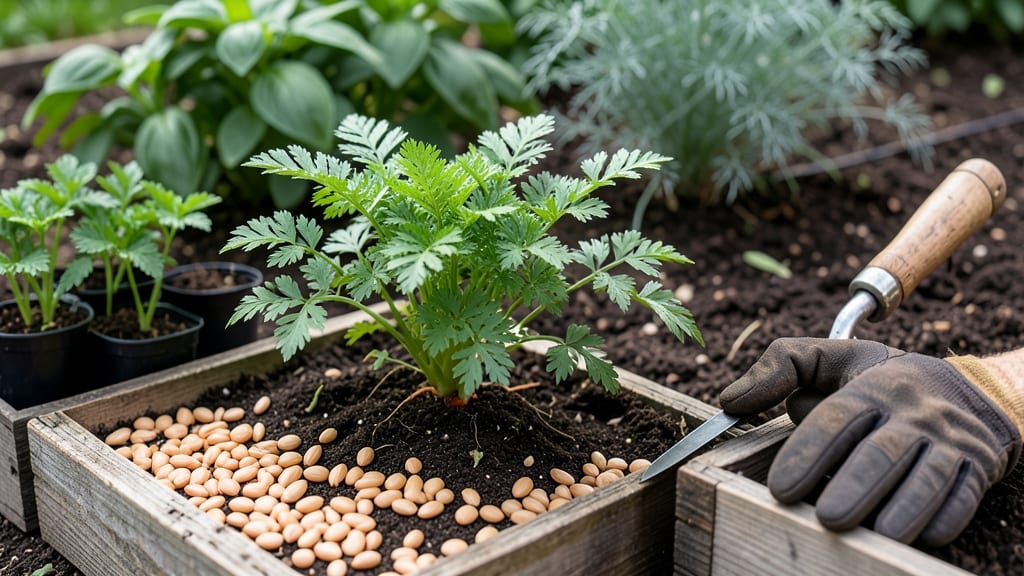
Planting carrots 🥕 at the wrong time in East Tennessee’s Zone 6b-7a can turn your crisp, sweet dreams into tough, forked disappointments. The secret to success lies in knowing exactly when to start seeds for two perfect harvests—spring and fall—without battling stubborn soil or unpredictable frost.
I’ve grown carrots here for years, and the difference between a 50-day harvest and a bitter struggle comes down to timing.
Whether you’re a first-time gardener or a seasoned pro, these precise planting windows will help you avoid common mistakes like planting too early (when soil stays cold) or too late (risking frost before maturity).
East Tennessee’s climate means you’ve got two clear chances: early spring (as soon as soil reaches 50°F) and late summer (for a fall harvest before the first frost in mid-October).
I’ll show you how to work with your local conditions—including rocky soil and microclimates—to get carrots that grow straight and sweet every time.
Ready to dig in? Let’s break down the exact dates, soil prep tips, and succession planting tricks that’ll have you pulling perfect carrots 🥕 all season long—no guesswork required.
Best planting dates for carrots in East Tennessee’s zone 7b climate
East Tennessee’s USDA Zone 7b climate offers two prime windows for planting carrots: early spring and late summer. These timing choices maximize your harvest potential while avoiding the bitter, stunted roots that result from planting too late or in unfavorable conditions.
Let’s break down the exact dates and soil conditions you need for success.
For spring planting, aim to sow seeds as soon as the soil reaches 50°F (10°C)—typically between mid-March and early April. This timing ensures your carrots have 80-90 frost-free days to mature before summer heat sets in.
In East Tennessee, the last frost date usually falls around mid-April, so planting in late March gives your seeds a head start.
If you prefer fall harvests, focus on late summer planting between July and early August. This allows your carrots to mature before the first frost hits in mid-October. Fall-planted carrots often develop sweeter flavors due to cooler temperatures, making them a favorite for many gardeners.
To ensure your carrot seeds germinate properly, always test your soil’s readiness. Stick a soil thermometer into the ground—if it reads below 50°F (10°C), wait a few more days. Cold soil can delay germination by weeks, leaving your carrots vulnerable to pests and diseases.
I’ve found that amending the soil with compost a few weeks before planting also helps maintain the ideal temperature.
For gardeners in East Tennessee’s higher elevations, like those in the Appalachian foothills, adjust your planting dates by 1-2 weeks later. Cooler mountain air can delay soil warming, so monitor local forecasts and use row covers if needed to protect young seedlings from unexpected late frosts.
Succession planting is another key strategy for continuous carrot harvests. After your initial planting in March, sow a second batch in mid-April and a third in early May.
This staggered approach ensures you have fresh carrots ready to pick every 6-8 weeks. Just be sure to space your plantings 2-3 weeks apart to avoid overcrowding.
If you’re growing short-season varieties, like ‘Paris Market’ or ‘Little Finger’, you can even squeeze in a third planting in early July for a late-summer harvest. These varieties mature in just 50-60 days, making them perfect for East Tennessee’s shorter growing season in the mountains.
Remember, carrots thrive in loose, well-drained soil. If your garden soil is heavy clay—common in many parts of East Tennessee—mix in sand or compost to improve drainage.
Rocky soil can also cause forked roots, so choose a planting spot with at least 12 inches of loose soil depth.
Finally, keep an eye on your carrot tops as they grow. If they bolt (send up flowers) due to heat stress, your roots will become woody and bitter. Regular watering and light mulching can help maintain even soil moisture, which is critical for sweet, tender carrots.
Best planting dates for carrots in East Tennessee’s zone 7b climate
East Tennessee’s Zone 7b climate gives you two ideal windows for planting carrots 🥕—early spring and late summer—to ensure sweet, crisp harvests before and after the heat of summer.
The key is starting seeds when soil temperatures hit 50°F in spring and again in late summer when nights begin cooling. I’ve found that planting too early (when soil stays cold) leads to slow germination, while waiting too late risks frost before maturity.
For spring planting, aim for mid-March to early April once the last frost date (around mid-April) has passed. This gives you a 70-day harvest window by late May to early June. If you’re in higher elevations (like the Smoky Mountains), wait until late March to avoid cold snaps.
For fall planting, seeds should go in the ground by mid-July to early August to mature before the first frost (mid-October).
🥕 East Tennessee Carrot Planting Calendar
| Planting Window | Soil Temp | Harvest Time | Notes |
|---|---|---|---|
| Mid-March to Early April | 50-60°F | Late May to Early June | Spring harvest; avoid rocky soil |
| Mid-July to Early August | 60-70°F | October to Early November | Fall harvest; protect from pests |
| Late August (Succession) | 60-70°F | Late October | Extend season; use row covers |
If you’re new to growing carrots in East Tennessee, don’t overlook succession planting. After your initial spring planting, sow a second batch in late April for a mid-summer harvest. This ensures you’re not overwhelmed with a single massive harvest.
For fall, a third planting in late July can give you carrots in early October before the ground freezes. Just be sure to use row covers if nights dip below 40°F.
One of my biggest lessons? Soil temperature matters more than air temperature. Use a soil thermometer to confirm your planting window—carrot seeds won’t germinate well below 50°F. In East Tennessee, this often means waiting until after Easter for reliable spring planting.
For fall, aim for soil temps between 60-70°F to avoid slow starts. Pro tip: Mix in compost before planting to warm the soil faster and improve drainage.
For container growers, start seeds indoors 4-6 weeks before your last frost date (mid-April) and transplant seedlings outdoors once soil is warm. This extends your growing season by 2-3 weeks compared to direct sowing. Just ensure containers are at least 12 inches deep—shallow pots lead to stunted roots.
If you’re in a valley area like Knoxville, you might push spring planting to early March, while mountain regions (like Sevier County) should wait until late March.
Remember, carrots thrive in loose, well-draining soil. East Tennessee’s clay-heavy soil can cause forking, so amend with sand or compost before planting. If your soil is rocky, opt for shorter varieties like ‘Paris Market’ or ‘Little Finger’, which tolerate tight spaces better.
With these dates and soil prep tips, you’ll be pulling perfect carrots 🥕 all season—no more bitter, forked surprises!