
Plants
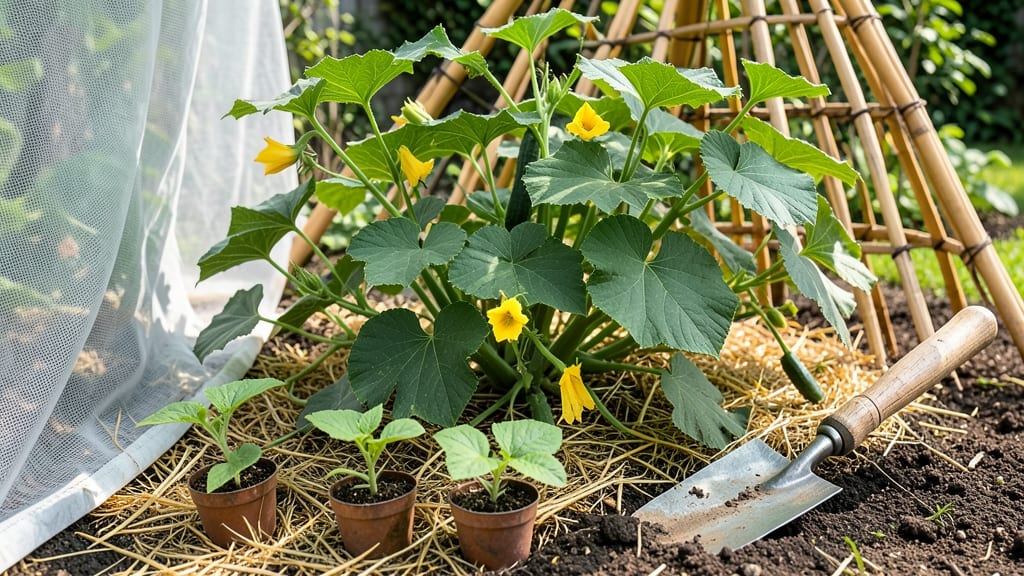
Planting cucumbers in Maine at the wrong time means watching your 🥒 vines struggle through cool soil and chilly nights—only to give up before summer even begins.
The key to a bountiful harvest lies in waiting for that perfect window when soil temperatures hit at least 60°F and frost-free nights become the norm.
Most Maine gardeners in USDA Zones 5-6 should mark their calendars for mid-May to early June, but timing isn’t just about dates—it’s about reading your soil and weather patterns.
A late frost in May can wipe out young plants, while planting too early risks stunted growth from cold, damp conditions that cucumbers despise.
Here’s what you need to know: I’ll break down the exact planting schedule for Maine’s climate, including how to prepare your soil for maximum warmth retention and which cold-hardy varieties perform best in our short summers.
Whether you’re a first-time gardener or a seasoned pro, these strategies will help you beat Maine’s unpredictable weather and enjoy fresh, homegrown cucumbers from July through September—no greenhouse required.
Best planting dates for cucumbers in Maine’s USDA Zone 5
Maine’s cool summers and short growing season demand precision when planting cucumbers. The last frost date in most of Maine falls around mid-May, but soil temperature is the real deciding factor.
Cucumbers thrive when soil reaches at least 60°F—a threshold often met by late May or early June in Zone 5.
Direct sowing is the preferred method for Maine gardeners, as cucumbers hate transplant shock. However, if you start seeds indoors 3-4 weeks before the last frost, you can transplant hardy seedlings into warmed soil.
Just be prepared to protect them with row covers if nighttime temps dip below 50°F.
For container growing, which is ideal for Maine’s cooler microclimates, plant after the last frost date and place pots in south-facing locations to maximize warmth. Use black plastic mulch to raise soil temperatures 5-10°F faster than bare ground.
| Stage | Action | Maine-Specific Notes |
|---|---|---|
| Soil Prep | Test pH (6.0-6.8), add compost | Maine soils are often clay-heavy—amend with sand |
| Seed Starting (Indoors) | 3-4 weeks before last frost | Use grow lights—Maine’s short days delay germination |
| Direct Sowing | After soil hits 60°F (late May-early June) | Wait for 3 consecutive warm days to avoid frost |
| Transplanting | After last frost, harden off seedlings | Use row covers for first 2 weeks if nights are chilly |
| Container Planting | After last frost, use 5-gallon pots | Move pots to sunniest spot by 10 AM daily |
If you’re growing bush varieties like ‘Bush Champion,’ you can plant 2 weeks earlier than vining types, as they mature faster. For vining cucumbers like ‘Straight Eight,’ wait until mid-June to ensure enough heat for fruit development.
Maine’s northern coastal areas (like Bar Harbor) have slightly cooler microclimates than inland regions (e.g., Augusta). Adjust planting dates 1-2 weeks later in coastal zones, where soil warms more slowly due to ocean breezes.
For late-season harvests, consider succession planting a second batch in early July. Choose shorter-day varieties like ‘Northern Pickling’ to compensate for Maine’s declining daylight in August.
Always check the Maine Agricultural Experiment Station’s frost date maps for your specific town’s last frost date, as local variations can shift planting windows by 1-2 weeks. Pro tip: Plant near a black fence—it absorbs heat and warms the soil 5°F faster than open ground.
Finally, avoid planting cucumbers where cucumbers, squash, or melons grew the previous year to prevent soil-borne diseases. Maine’s humid summers make these plants particularly vulnerable to powdery mildew if rotated poorly.
How Maine gardeners extend the cucumber season (without greenhouses)
Maine’s cool summers mean cucumbers need extra love to thrive. But with the right tricks, you can stretch your harvest from early July to late September—no fancy greenhouses required. Row covers and succession planting are my go-to methods for beating Maine’s short season.
Start by choosing cold-hardy varieties like ‘Northern Pickling’ or ‘Straight Eight.’ These varieties tolerate Maine’s cooler temperatures better than heat-loving types. Pair them with black plastic mulch to warm the soil faster and keep moisture in.
🌱 Pro Tip: Use floating row covers to protect young plants from late frosts. They also deter pests while letting sunlight through.
- Week 1-2 (Mid-May): Plant early varieties after last frost. Use row covers.
- Week 3-4 (Late May): Add mid-season types when soil hits 60°F.
- Week 5-6 (Early June): Plant late varieties for a September harvest.
- Week 7-8 (Mid-July): Direct sow heat-tolerant types if weather cooperates.
For container growing, opt for bush varieties like ‘Bush Champion’ in 5-gallon pots. Place them on heat-absorbing surfaces (like black paint) to mimic warmed soil. Water consistently—containers dry out faster in Maine’s wind.
Extend harvests by pruning aggressively to focus energy on fruit production. Remove yellow leaves immediately to prevent disease spread. And always harvest daily—overripe cucumbers signal the plant to stop producing.
🌿 Final Tip: Save seeds from your best cucumbers! Maine’s climate favors heirloom varieties that adapt over generations.