
Plants
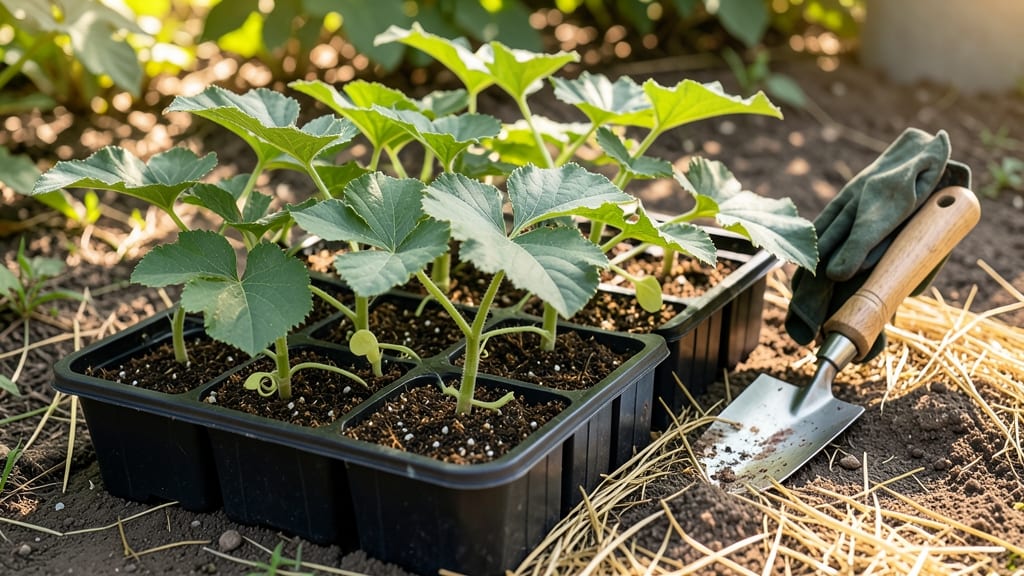
Planting cantaloupe at the wrong time in Tennessee can turn your garden dreams into a sad pile of wilted vines—unless you know the exact soil warmth and frost-free triggers that make all the difference.
The 🍉 thrives when daytime temps hit 75°F+ and nights stay above 55°F, but getting those conditions just right in Tennessee’s 6a-7b zones requires timing your seeds to the second week of May at the latest.
Here’s the catch: too early, and cold soil will leave your seeds sitting like forgotten promises. Too late, and you’ll miss the 90-day growing window before Tennessee’s first frost in October.
I’ve learned the hard way that rushing the process—especially in East Tennessee’s cooler valleys—can mean fewer melons and more frustration.
What if you could guarantee your cantaloupe vines take off strong, with reliable germination and a harvest by July? The secret lies in waiting for that 70°F soil temperature (test it with a thermometer!) and choosing heat-loving varieties like ‘Athena’ that handle Tennessee’s humidity better than most.
Let me show you how to nail those perfect planting windows for your region.
From black plastic mulch to companion planting with borage, I’ll walk you through every trick Tennessee gardeners use to beat the odds—because with the right prep, your cantaloupe patch could be the talk of the neighborhood by midsummer. Ready to turn those seeds into sweet success?
Ideal planting windows for cantaloupe in Tennessee based on soil temperature
Tennessee’s diverse climate—from the cooler Appalachian Mountains to the warmer Mississippi Delta region—means your cantaloupe planting timeline should align with your specific zone. The key trigger for success is soil temperature, not just air temperature, since cantaloupe seeds need at least 70°F soil to germinate reliably.
Most of Tennessee falls in USDA Zones 6a-7b, but even within these zones, frost-free dates and soil warming rates vary. For example, East Tennessee typically sees its last frost in mid-April, while West Tennessee can be frost-free by early April.
However, soil may still be too cold for planting.
Here’s how to pinpoint your exact planting window using soil temperature and regional frost data:
| Region | Last Frost Date | Soil Warmth Target | Ideal Planting Window | Notes |
|---|---|---|---|---|
| East Tennessee (e.g., Knoxville, Chattanooga) | Mid-April | 70°F+ (late April-early May) | Late April to early May | Cooler nights; use black plastic mulch |
| Middle Tennessee (e.g., Nashville, Murfreesboro) | Early April | 70°F+ (early to mid-April) | Mid-April to early May | Moderate climate; monitor soil temps |
| West Tennessee (e.g., Memphis, Jackson) | Early to mid-April | 70°F+ (late March-early April) | Late March to early April | Warmest zone; watch for early heat stress |
To check your soil temperature, use a soil thermometer (insert 2 inches deep in the morning). If your soil isn’t warm enough by the ideal window, consider black plastic mulch or a cold frame to accelerate warming by 5-10°F.
This is especially critical in East Tennessee, where cooler soils delay germination.
For transplants (purchased seedlings), wait until nighttime temperatures stay above 55°F—typically 2-3 weeks after your last frost date. Transplants can handle slightly cooler soil than seeds, but they still need warmth to thrive.
If you’re in doubt, err on the side of planting later rather than risking frost damage.
Pro tip: Use a frost calendar from your local Cooperative Extension Service (e.g., UT Extension for East TN, UTIA for Middle TN) for hyper-localized advice. These resources often include historical frost data and microclimate adjustments for urban vs. rural areas.
Once you’ve confirmed your soil is warm enough, focus on planting depth: seeds should go 1 inch deep, while transplants need their roots fully covered.
After planting, water deeply to settle the soil and encourage root growth—this is your first step toward a reliable cantaloupe harvest in Tennessee’s unpredictable climate.
🌱
How to time cantaloupe planting for maximum yield: spacing, varieties, and frost protection
Timing your cantaloupe planting right in Tennessee isn’t just about avoiding frost—it’s about giving your vines the ideal 75-90 days of warm weather they need to produce sweet, ripe fruit.
Since Tennessee’s growing season varies from 180-220 frost-free days, I’ve found that planting in late April to early May in most regions gives the best balance between warmth and harvest time.
For gardeners in West Tennessee’s hotter zones, you can push planting to early April if you use black plastic mulch to warm the soil faster. Meanwhile, those in East Tennessee’s cooler mountain valleys should wait until mid-May to avoid stunted growth from lingering cool nights.
Here’s my proven strategy for maximizing your cantaloupe yield in Tennessee’s short season:
One mistake I’ve seen Tennessee gardeners make is planting cantaloupe too close together—this leads to poor air circulation and powdery mildew. Always follow the 3-4 foot spacing rule, even if your garden is small.
For container growers, choose compact varieties like ‘Tasty Bite’ and use 5-gallon pots with excellent drainage.
Pro tip: If you’re in a drought-prone area like Middle Tennessee, mulch heavily with straw to retain moisture. I’ve found that cantaloupes in mulched beds produce 20% larger fruit because they don’t stress during dry spells.
🌱