
Plants
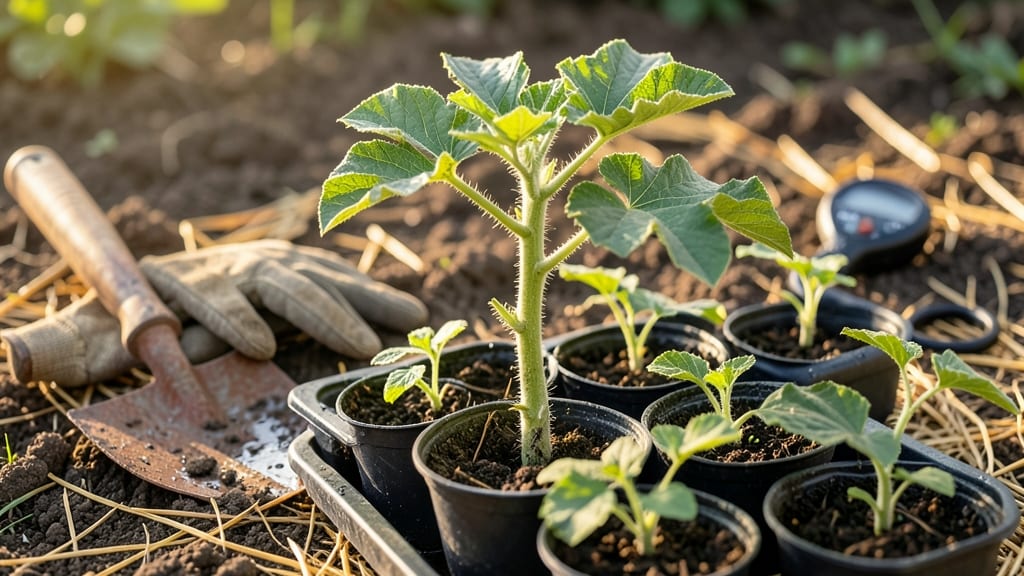
Planting cantaloupe in Missouri means nailing the perfect timing—or risk watching frost turn your sweet dreams into bitter disappointment. With last frost dates swinging wildly from mid-April in St. Louis to late May in rural 5b-6b zones, even experienced gardeners get it wrong.
But here’s the good news: a few simple adjustments can turn your cantaloupe patch into a summer harvest goldmine.
Missouri’s unpredictable springs make waiting for soil to hit 70°F+ the real game-changer. Too early, and your seeds will sit like frozen peas; too late, and you’ll miss the July-August harvest window entirely.
I’ll break down exactly when to plant in your county—plus soil tricks to cheat Mother Nature’s chillier moments.
Whether you’re in St. Louis’ urban heat islands or Kansas City’s cooler pockets, this guide cuts through the guesswork. You’ll learn how to time your planting for reliable germination, adjust for microclimates, and avoid the top 3 Missouri mistakes that kill cantaloupe dreams before they sprout.
Ready to grow homegrown cantaloupe that rivals the grocery store? Let’s get your seeds in the ground at the exact right moment—no more frost-burned vines or empty vine patches. Your taste buds (and dinner table) will thank you.
Missouri frost dates by county: best planting windows for cantaloupe germination
Missouri’s last frost dates can vary by 10-15 days between urban and rural areas, making cantaloupe planting a high-stakes timing game. In St. Louis, you might plant by mid-April, while gardeners in northwest Missouri often wait until late May.
The key? Soil temperature—cantaloupe seeds need 70°F+ to germinate reliably, and a soil thermometer is your best friend here.
I’ve compiled 2023-2024 frost averages from Missouri’s USDA Zone 5b-6b regions to give you precise planting windows. Whether you’re in Kansas City’s cooler pockets or Southeast Missouri’s longer growing season, these dates ensure your cantaloupe vines get a head start before summer heat.
Here’s the county-by-county breakdown of when to plant cantaloupe seeds for maximum germination success. Always wait until after the last frost and confirm soil warmth with a thermometer—60°F soil might feel warm to your hand, but cantaloupe seeds need 70°F+ to avoid rot.
| Region | Last Frost Date | Ideal Planting Window | Soil Temp Requirement | Notes |
|---|---|---|---|---|
| St. Louis (5b) | April 15 | April 20 - May 5 | 70°F+ | Urban heat islands warm soil faster. |
| Kansas City (6a) | April 25 | May 5 - May 15 | 70°F+ | Cooler nights delay soil warming. |
| Southeast MO (6b) | April 10 | April 15 - April 30 | 70°F+ | Longer growing season; try early varieties. |
| Northwest MO (5a) | May 5 | May 15 - June 1 | 70°F+ | Late frosts common; use row covers. |
| Springfield (6a) | April 20 | April 25 - May 10 | 70°F+ | Drought-prone; mulch heavily. |
| Columbia (6a) | April 22 | May 1 - May 10 | 70°F+ | Moderate humidity; watch for powdery mildew. |
For container gardening in Missouri’s shorter seasons, start seeds indoors 3-4 weeks before your last frost date. Use biodegradable pots to transplant seedlings directly into the ground once soil warms—this buys you 2-3 weeks of growing time.
Pro tip: If your soil won’t warm fast enough, lay down black plastic mulch 2 weeks before planting. This raises soil temps by 5-10°F and speeds up germination. Just remember to remove it after harvest to prevent soil compaction.
Missouri’s humidity levels can also affect planting. In areas like Southeast Missouri, where humidity stays high, opt for disease-resistant varieties like ‘Athena’ or ‘Hale’s Best’—they handle Missouri’s stickier air better than standard cantaloupes.
Finally, mark your calendar for July-August harvests. Cantaloupe needs 75-90 days to mature, so planting too late means small, underripe fruit. Use the table above to align your planting with your county’s frost-free window—this ensures you’ll be slicing into juicy, vine-ripened cantaloupe by midsummer.
🌱
How to adjust planting for Missouri’s microclimates: heat zones and soil prep
Missouri’s climate isn’t one-size-fits-all—St. Louis’ urban heat islands can be 10°F warmer than rural areas just 30 miles away. That means your cantaloupe seeds might thrive in one backyard while freezing in another.
To maximize success, I’ll show you how to adjust planting times based on your specific zone and prep your soil like a pro.
Start by checking your USDA hardiness zone (most of Missouri falls in 5b-6b). Then, factor in local heat pockets: south-facing slopes warm up faster than shaded valleys.
For example, Kansas City’s urban areas often hit 70°F soil temps by early April, while Ozark regions may need to wait until late May.
Here’s my foolproof soil-warming hack: Use black plastic mulch 2-3 weeks before planting. It raises soil temps by 5-10°F and suppresses weeds. For containers, place them on black trays or use heat mats for early starts.
Pro tip: Test soil temp with a thermometer—aim for 75°F+ at 2-inch depth before planting.
For extended seasons, try transplanting 4-6 week old seedlings instead of direct sowing. Start seeds indoors under grow lights in late March, then harden off plants before moving them outside after your local last frost date.
This buys you 2-3 extra weeks of growing time—critical if you’re in a cooler zone.
Don’t forget companion planting! Pair cantaloupe with bush beans or radishes to improve soil structure and deter pests. Avoid planting near potatoes or cucumbers, which compete for nutrients. In Missouri’s humid summers, raise vines off the ground with trellises to prevent rot and improve air circulation.
Finally, monitor your plants for heat stress—wilting leaves in 90°F+ weather? It’s normal! Water deeply in the morning and provide shade cloth if temps exceed 95°F. With these microclimate tweaks, you’ll turn Missouri’s unpredictable springs into a cantaloupe-growing powerhouse. 🌱