
Plants
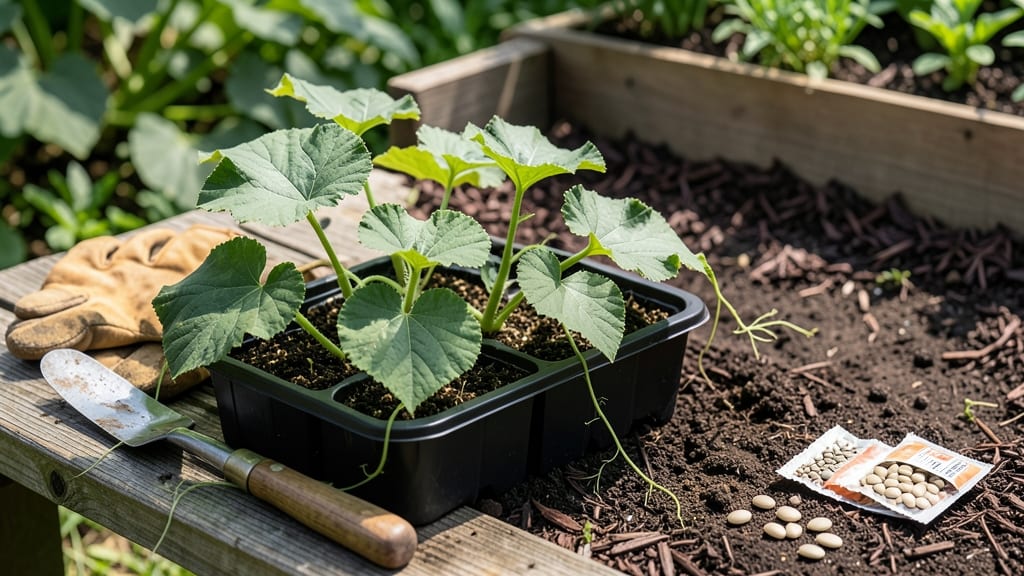
Planting your 🍈 cantaloupe at the wrong time in North Texas could mean the difference between a sweet summer harvest and wasted effort.
The key isn't just waiting until spring—it's knowing exactly when your soil hits that 70°F sweet spot for fast germination, which in Zone 8a typically means late March or early April after the last frost.
I've learned the hard way that rushing cantaloupes into cold soil slows growth and invites pests. But timing it right—when daytime temps consistently stay above 75°F—gives those vines the boost they need to spread quickly and produce fruit before fall heat sets in.
What you're about to discover is how to check soil temperature, choose the perfect planting window, and even use mulch to create that ideal growing environment. These small adjustments can mean the difference between a few sad melons and a garden bursting with ripe, sun-kissed cantaloupes by July.
Let me show you exactly when to plant for maximum success—and how to keep your cantaloupe thriving through North Texas' summer heat without the guesswork.
North Texas cantaloupe planting calendar based on soil temperature
Cantaloupe thrives in North Texas when planted after the last frost date (March 15) and when soil temperatures hit 55°F for germination. But for optimal growth, aim for 70°F+ soil temperatures—this is your golden window for fast, reliable sprouts.
In Dallas-Fort Worth, this typically means late March to early April, while Waco’s slightly warmer climate may allow planting as early as mid-March.
North Texas’ USDA Zone 8a/8b climate means we can push the envelope with early spring planting, but only if you’re willing to use row covers or black plastic mulch to protect young plants.
Without these tools, wait until mid-April to avoid frost damage. The key is balancing heat-loving cantaloupe with North Texas’ unpredictable early spring weather.
Here’s the soil temperature checklist I follow every year:
- 55°F+: Seeds will germinate (but slowly).
- 60°F+: Germination speeds up noticeably.
- 70°F+: Optimal growth—this is your sweet spot for cantaloupe.
| Planting Window | Soil Temp Requirement | North Texas Regions | Notes |
|---|---|---|---|
| Late February - Early March | 55°F+ (with protection) | Waco, Temple | Risky; use row covers |
| Mid-March | 60°F+ | Dallas, Fort Worth | Safe with black plastic mulch |
| Late March - Early April | 70°F+ (ideal) | All regions | Best germination & growth |
| Mid-April | 70°F+ | All regions | Default safe bet |
Pro tip: Use a soil thermometer to check temperatures at 6-inch depth—this is where cantaloupe roots will be. If your soil is still cool in April, try warming it with black plastic mulch for 1-2 weeks before planting. This can add 5-10°F to your soil temperature overnight.
For extended harvests, consider a second planting in early June. Cantaloupe can handle North Texas’ summer heat better than most vegetables, but you’ll need to water deeply 2-3 times per week and provide daily shade cloth during the hottest afternoons (100°F+).
This second crop often produces fruit just in time for late summer festivals.
Remember: Cantaloupe needs 90+ days of warm weather to mature. Planting too late (after June 15) risks small, underdeveloped fruit before the first frost in November. My ideal harvest window is always July through August, when North Texas’ heat aligns perfectly with cantaloupe’s growth cycle.
If you’re in West Texas (Zone 8b), you can push planting even earlier—late February—but monitor nighttime temperatures. Cantaloupe won’t tolerate below 50°F for long periods. In East Texas (near Tyler or Longview), stick to mid-April to avoid heavy spring rains that can rot seeds.
For container growing, start seeds indoors 4-6 weeks before your target outdoor planting date. Use biodegradable pots to avoid root disturbance, and harden off seedlings by placing them outside for 2-3 hours daily starting 10 days before transplanting.
Containers dry out faster, so keep them near a drip irrigation system.
Finally, mark your calendar for June 1—this is when I start scouting for cantaloupe blossoms. If you see yellow flowers but no fruit, hand-pollinate by gently rubbing a paintbrush on each flower’s center.
North Texas’ humidity and wind can sometimes interfere with natural pollination, so don’t skip this step if you want a full harvest.
5 Critical soil conditions for cantaloupe success in North Texas heat
North Texas summers bring blistering heat and alkaline soil challenges that can stall cantaloupe growth. The secret to success? Preparing your soil with 5 key conditions that mimic cantaloupe's native Mediterranean climate. Let's break down what your soil needs to thrive.
First, soil temperature must reach 70°F+ at planting depth (4-6 inches). Use a soil thermometer to check—cantaloupe seeds won't germinate below 55°F. In North Texas, this typically means waiting until mid-April in most areas, but black plastic mulch can warm soil 10°F faster.
North Texas soils often struggle with alkaline pH (7.5+), which locks out nutrients cantaloupe needs. Test your soil with a home pH kit ($10 at garden centers) and amend with elemental sulfur (1 lb per 100 sq ft) if needed.
For clay-heavy soils, mix in 2-3 inches of compost and 1 inch of coarse sand to improve drainage.
One of my biggest mistakes was planting cantaloupe in heavy Texas clay without amending it first. The roots suffocated, and my plants wilted despite plenty of water.
Since then, I've made it a rule to test and prepare my soil 6-8 weeks before planting—this gives microbes time to break down amendments.
For fastest germination, add aged compost (not fresh manure) to the planting hole. Compost provides beneficial microbes that help roots establish quickly in the North Texas heat. I also recommend side-dressing with fish emulsion when vines start running—this gives cantaloupe the phosphorus boost it needs for flowering.
Remember: cantaloupe hates wet feet. In North Texas' summer downpours, raised beds with 5-10°F warmer soil and better drainage can mean the difference between a bountiful harvest and rotten fruit. If you're planting in containers, use a fast-draining potting mix with 20% perlite.