
Companion Plants
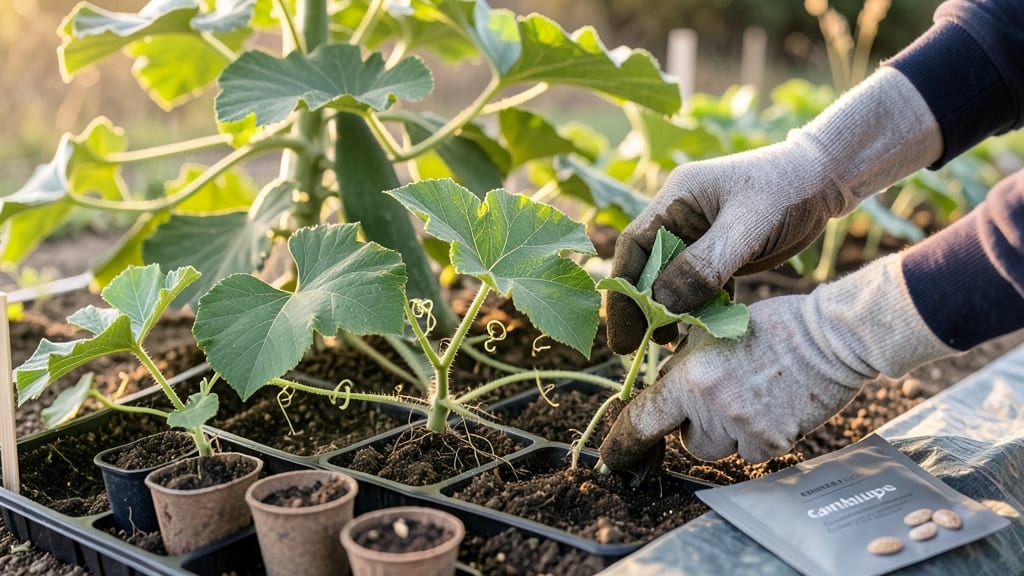
Planting cantaloupe 🍈 in Zone 6 at the wrong time means struggling with slow germination or weak vines—even if you follow all the other steps right.
The key to a fast, thriving harvest isn’t just waiting for frost to pass; it’s about soil warmth, and most gardeners in Zone 6 get this part wrong.
Here’s the truth: cantaloupe seeds need soil temperatures of at least 70°F to sprout reliably, and nighttime temps should stay above 50°F to keep them growing. That usually means holding off until late May or early June in most of Zone 6—long after the last frost warning has faded.
Skipping this step can turn your planting day into a gamble.
I’ll show you exactly how to test your soil’s readiness (without fancy tools) and the best cantaloupe varieties for cooler Zone 6 conditions. Plus, I’ll share my 3-step post-planting routine to ensure your vines take off fast—no guesswork, just proven results.
Whether you’re a first-time gardener or a veteran with failed cantaloupe patches, these insights will help you finally get the sweet, ripe harvest you’ve been dreaming of. Let’s make this your most successful summer yet.
Zone 6 soil temperature guide: when to plant cantaloupe seeds
Cantaloupes in Zone 6 demand precise timing—plant too early, and your seeds will rot in cold soil; wait too long, and your harvest shrinks. The key is soil warmth: aim for 70°F (21°C) at least 2 inches deep for germination. Nighttime air temps should stay above 50°F (10°C) consistently. In my garden, this usually aligns with late May, but microclimates (like south-facing slopes) can shift your window by weeks.
Zone 6’s last frost date typically falls in mid-April, but cantaloupes refuse to play by that rule. They’re warm-season crops that need heat to thrive. If you plant seeds directly after frost, you’re likely setting them up for failure—especially if your soil stays below 60°F (15°C).
Instead, use soil temperature as your guide, not the calendar.
Here’s the critical timeline for Zone 6 gardeners: Start testing soil warmth in early May. If temps hover around 60-65°F (15-18°C), cover seeds with black plastic mulch to warm the soil faster.
By late May or early June, most Zone 6 regions hit the 70°F (21°C) threshold—perfect for planting. Pro tip: Check your local Almanac frost dates but prioritize soil temps over air temps.
| Stage | Soil Temp Requirement | Zone 6 Planting Window | Action |
|---|---|---|---|
| Soil Prep | 50°F (10°C) minimum | Early April | Amend soil with compost; remove debris |
| Seed Testing | 60°F (15°C) or warmer | Early May | Use a soil thermometer daily |
| Ideal Planting | 70°F (21°C) at 2" | Late May - Early June | Direct-sow seeds 1" deep, 2-3 seeds per hill |
| Transplant Ready | 65°F (18°C) minimum | Early June | Hardening off seedlings for 7-10 days |
| Harvest Window | N/A | July - Early September | Check for tan rind and musky aroma |
If you’re starting cantaloupe indoors (a common strategy in Zone 6), begin seeds 4-6 weeks before your target outdoor planting date. Use biodegradable pots and transplant seedlings when soil temps reach 65°F (18°C).
My trick? Place pots in a cold frame for a week before transplanting—it hardens roots and reduces shock. Just avoid transplanting when nighttime temps dip below 55°F (13°C), or vines will struggle.
Zone 6 gardeners often ask: Can I plant cantaloupe in March? The short answer: Only with protection. If you’re desperate for an early start, use a cloche or row cover to trap heat, but remove it during the day to prevent overheating.
I’ve had success with ‘Athena’ cantaloupe under row covers in early April, but germination rates drop if soil temps stay below 60°F (15°C). Weigh the risk—early plants may bolt (flower prematurely) if stressed by cold snaps.
Don’t overlook microclimates in your Zone 6 garden. A south-facing slope or black plastic mulch can add 5-10°F to soil temps, letting you plant 2-3 weeks earlier than your neighbors.
Test these spots first with a soil thermometer. In my experience, a raised bed with compost also warms faster than in-ground soil, giving you a 10-day head start on planting.
Once you’ve nailed the planting date, focus on post-planting care. Cantaloupes need 1-2 inches of water weekly (deep watering, not frequent shallow soaks) and mulch to retain moisture. Thin seedlings to 1 plant per hill when they’re 2 inches tall—this reduces competition and boosts fruit size.
In Zone 6, expect 75-90 days to harvest, so late June plantings may yield fruit into early October before frost.
Protect your cantaloupe vines from late-season pests like cucumber beetles with row covers or neem oil sprays. If a frost warning hits in September, harvest any ripe fruit immediately—cantaloupes won’t survive frost, but they’ll keep in a cool, dry place for 2-3 weeks.
My Zone 6 harvest record? Late September, with a few stubborn vines producing sweet fruit even as temps dipped to 45°F (7°C) at night.
Zone 6 soil temperature guide: when to plant cantaloupe seeds
In Zone 6, cantaloupe seeds need warm soil—at least 70°F (21°C)—to germinate properly. Planting too early when soil is still cool (below 50°F/10°C) risks poor germination or seed rot.
The last frost date in Zone 6 typically falls around mid-April, but soil warms more slowly than air temperatures.
Use a soil thermometer to confirm readiness—most cantaloupe varieties struggle below 60°F (15°C). In my garden, I’ve seen seeds take 10+ days to sprout when planted at 55°F (13°C), while 75°F (24°C) soil yields sprouts in 3-5 days. Timing matters more than calendar dates!
| Stage | Soil Temp (°F) | Zone 6 Window | Action |
|---|---|---|---|
| Pre-Soaking Seeds | 60-65°F | Late April | Soak seeds 24 hrs |
| Direct Sowing | 70°F+ | Mid-May to early June | Plant ½" deep, 3 ft apart |
| Transplanting | 65°F+ | Late May | Hardy seedlings (4+ weeks old) |
| Harvest Ready | N/A | July-August | Check rind color & stem slip |
For Zone 6 gardeners, aim for mid-May as your ideal planting window. This aligns with soil warming to 70°F+ and nighttime temps above 50°F (10°C).
If you’re in a warmer microclimate (like near black plastic mulch), you might push planting to late April, but monitor soil temps closely.
Black plastic mulch can raise soil temps by 5-10°F, letting you plant 2-3 weeks earlier. I’ve used it to extend my cantaloupe season by 3 weeks in Zone 6. Just remove mulch after planting to prevent overheating. Row covers can also protect young plants from late frosts.
Remember: Cantaloupes hate cold feet. Even if daytime temps feel warm, soil temperature is the true indicator. Wait for consistent warmth—your seeds (and future harvest) will thank you! 🍈