
Plants
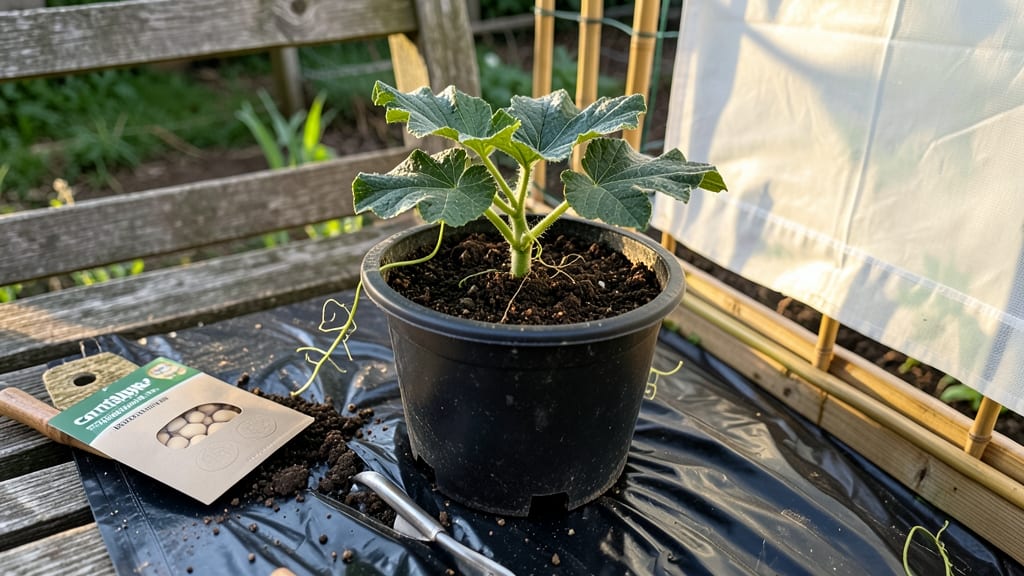
Planting cantaloupe seeds in Texas at the wrong time means either freezing nights wiping out your seedlings or scorching summer heat sending them bolting before they even fruit.
The perfect window is all about beating the heat while avoiding those early chills—here’s exactly when to start yours for a bountiful harvest.
Texas gardeners know timing is everything with 🌱 cantaloupe, especially when you’re juggling last frost dates and soil temperatures that can swing from icy to sweltering in weeks.
Too early, and your plants won’t survive; too late, and you’ll miss the sweet spot before the real summer heat kicks in. The solution? Planting in late March to early April for North Texas or even earlier in South Texas’s warmer zones.
But here’s the game-changer: soil temperature matters more than the calendar. Wait until the ground reaches at least 70°F—that’s when cantaloupe seeds finally sprout reliably.
I’ll show you how to track this and adjust your planting schedule so your vines get a strong start before the Texas sun turns up the heat.
Ready to avoid the most common mistakes? We’ll cover everything from soil prep to watering tricks that keep your cantaloupe thriving through the hottest months. Let’s get those seeds in the ground the right way—so you’re not left with bitter melons or empty vines by summer’s end.
Texas cantaloupe planting calendar: exact weeks before summer heat to prevent bolting
Cantaloupes thrive in Texas's long, hot summers—but only if planted at the perfect time. The key is soil warmth, not air temperature. Seeds need 70-85°F soil to germinate, which typically aligns with mid-April to early June across most of the state.
Plant too early, and seedlings will rot in chilly soil; too late, and vines bolt before fruiting.
Texas has three distinct climate zones with different planting windows. North Texas (USDA Zones 7-8) has later last-frost dates, while South Texas (Zones 9-10) can start planting 6 weeks earlier.
Central Texas (Zones 8-9) falls in between. Let’s break down the exact weeks to plant by zone to avoid common mistakes.
For all zones, wait until soil reaches 70°F before planting. Use a soil thermometer to check—dig 2 inches deep in full sun. If your soil is still cold, wait at least 2 weeks or use black plastic mulch to warm it faster.
I’ve seen cantaloupe seeds rot in 60°F soil, no matter how hardy the variety.
Another pro tip: Plant after the risk of frost, but don’t rush. Cantaloupes need 80-100 frost-free days to mature. If you’re in North Texas, aim for a May 1 start to ensure harvests by September.
In South Texas, you can push it to late March for fall harvests, but watch for bolting if temperatures exceed 95°F.
Spacing is critical in Texas’s heat. Give vines 3-4 feet between plants and 5-6 feet between rows. Crowded plants lead to poor air circulation, which invites fungal diseases like powdery mildew—a common issue in Texas’s humid summers. I’ve lost entire patches because I didn’t space them properly.
One mistake I see often is planting too deep. Cantaloupe seeds should only be ½ inch deep. Any deeper, and they’ll struggle to emerge.
After planting, water lightly to settle the soil, then wait until sprouts appear before deep watering. Overwatering at this stage can drown seeds before they germinate.
For Texas gardeners, succession planting is your best friend. Instead of one big planting, try two batches: one in early spring and another in early summer. This spreads out your harvest and reduces the risk of heat stress overwhelming all plants at once.
I’ve had success with ‘Athena’ and ‘Hale’s Best’ varieties—they handle Texas heat better than most.
Finally, monitor your plants daily once they’re up. Cantaloupes wilt easily in Texas’s heat, so deep watering in the morning is a must. Mulch with straw or black plastic to retain moisture and regulate soil temperature.
Without these steps, even the perfect planting window won’t save you from a failed crop.
Texas cantaloupe planting calendar: exact weeks before summer heat to prevent bolting
Cantaloupes thrive in Texas’s long, hot summers—but only if planted at the perfect time. The key is avoiding premature bolting (when plants flower too early) while ensuring seedlings survive late spring frosts. Texas spans three distinct climate zones, each with its own ideal planting window.
For North Texas (Zones 7b-8a), wait until 2-3 weeks after your last frost date, typically mid-April. In Central Texas (Zones 8a-8b), plant by early April, while South Texas (Zones 9a-10a) gardeners can start as early as late February. Soil temperature is critical—cantaloupes need 70°F+ soil to germinate.
| Texas Zone | Last Frost Date | Planting Window | Soil Temp (°F) | Key Tip |
|---|---|---|---|---|
| North Texas (7b-8a) | Mid-March | Mid-April to early May | 70°F+ | Use row covers for early starts |
| Central Texas (8a-8b) | Late February | Early April to mid-May | 75°F+ | Plant after peach trees bloom |
| South Texas (9a-10a) | None (year-round) | Late February to early April | 80°F+ | Succession plant every 2 weeks |
Pro tip: Use a soil thermometer to confirm readiness. If temps dip below 60°F, seeds won’t sprout—even in South Texas. For North Texas, consider starting seeds indoors 3-4 weeks before your target date to give them a head start.
Once planted, cantaloupes need consistent warmth to develop properly. In Central and South Texas, where summers arrive early, aim to have vines established by late May to avoid heat stress during flowering. Mulch heavily with straw or black plastic to retain soil moisture and temperature.
Remember: Cantaloupes are warm-season crops, so don’t rush planting. The 30-45 days before peak summer heat is your sweet spot for a bountiful harvest. Patience now means ripened fruit later—no bitter surprises!
🌱