
Plants
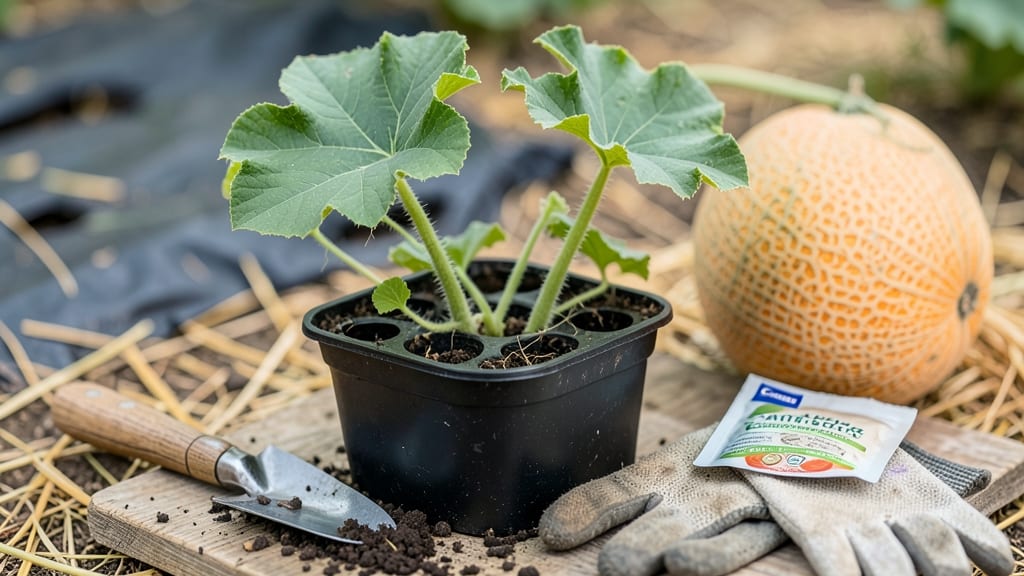
Planting cantaloupe in Arizona isn’t just about throwing seeds in the dirt—it’s about outsmarting the desert’s brutal heat and unpredictable spring shifts. The ideal window for planting 🍈 runs from late February through early March, when soil temperatures finally hit that critical 70°F mark and frost risk fades away.
But here’s the catch: Arizona’s microclimates—from the low desert’s baking sun to high-elevation areas with cooler nights—demand different strategies. What works in Phoenix might flop in Flagstaff, and getting this wrong can mean wasted seeds or stunted vines.
I’ll break down exactly when to plant in your specific zone, plus fast-germination tricks to beat the clock before summer’s relentless heat sets in.
Most gardeners overlook one key factor: soil prep. Without warming the ground first, your cantaloupe seeds might sit there for weeks, waiting for conditions that never arrive.
I’ll show you how to use black plastic mulch or other desert-friendly methods to give your plants a head start—because in Arizona, timing isn’t just important, it’s everything.
Once you’ve got those seeds in the ground, the real work begins.
From watering schedules that avoid root rot to recognizing when your fruit is truly ripe (not just “big enough”), I’ll walk you through every step to ensure you’re harvesting sweet, sun-kissed cantaloupes by late spring—not struggling with bitter, undersized failures. Let’s make this your most successful growing season yet.
Arizona’s best cantaloupe planting zones by heat tolerance
Arizona’s diverse microclimates mean your cantaloupe’s success hinges on knowing whether you’re in the Low Desert (Phoenix, Tucson) or High Desert (Flagstaff, Prescott). The difference? Up to 4 weeks in planting windows and 10°F soil temperature swings.
Let’s break it down by zone so you plant at the perfect moment—when soil warmth aligns with frost risk.
In the Low Desert, where winter lows rarely dip below 40°F, you can start seeds indoors as early as late January. But hold off on outdoor planting until mid-March, when soil temps hit 70°F consistently.
The High Desert’s cooler nights delay planting until late April, but the trade-off? Longer daylight hours for ripening.
Here’s the critical rule: Never plant cantaloupe until your soil thermometer reads 70°F at 4 inches deep.
Cold soil stunts roots, and Arizona’s alkaline dirt can lock out nutrients if not warmed first. Black plastic mulch raises soil temps by 10-15°F in just days—my secret weapon for Low Desert plantings.
🌱
| Zone | Last Frost Date | Ideal Planting Window | Soil Temp Requirement | Key Microclimate Tip |
|---|---|---|---|---|
| Low Desert (Phoenix, Tucson) | December 15 (rare) | Mid-March to early April | 70°F+ (4" deep) | Use black plastic mulch to warm soil faster; avoid planting after April 15 to escape summer’s brutal heat. |
| High Desert (Flagstaff, Prescott) | January 1 (rare) | Late April to mid-May | 65°F+ (4" deep) | Extend season with row covers for early starts; harvest before July’s monsoon rains arrive. |
| Transition Zones (Sedona, Yuma) | January 10 (average) | Early April | 68°F+ (4" deep) | Monitor soil moisture closely—these areas swing between desert dry and sudden storms. |
🌡️ Pro Tip: Rent a soil thermometer ($15) or press your hand into the soil—if it feels warmer than your wrist, it’s ready!
For container growers, time your plantings to match Arizona’s 120-day frost-free window. Start seeds indoors in February and transplant outdoors by mid-April (Low Desert) or May 1 (High Desert). Containers dry out faster, so use 5-gallon pots with drip irrigation to maintain moisture.
One mistake I see often? Planting too early in the Low Desert. By May 1, daytime temps often exceed 100°F, and cantaloupes bolt (flower prematurely) or develop sunscald on their rinds. Instead, aim for harvest by July 4—just as the monsoon rains begin.
In the High Desert, prioritize heat-tolerant varieties like ‘Athena’ or ‘Hale’s Best’. These handle 90°F+ days better than standard types. Pair them with shade cloth (30%) during June to prevent blossom drop.
🌿
Need a visual guide? Use the Arizona AgriLife Extension heat zone map (available online) to pinpoint your exact planting window. For example, Yuma’s Zone 10 allows plantings as early as February 15, while Flagstaff’s Zone 7 waits until May 1.
Local nurseries often stock heat-resistant seeds—ask for varieties labeled “desert-adapted” or “short-vine” for smaller spaces.
Remember: Cantaloupes hate cold feet. Even if air temps are warm, cool soil will delay germination by 2-3 weeks. Test your soil’s readiness with a seed germination test: Plant 3 seeds in a pot, cover with plastic, and check for sprouts in 7 days.
If they fail to sprout, your soil’s too cold.
Fast-germination tricks for Arizona’s short growing season
Arizona’s short growing season means cantaloupe seeds need a head start to beat the summer heat. Without proper prep, your seeds might sit dormant for weeks, waiting for soil temperatures that never arrive. The key? Warming the soil and using desert-smart techniques to jumpstart germination before the real heat hits.
Most gardeners make the mistake of planting too early, only to watch their seeds rot in cooler-than-expected soil. Instead, aim for soil temps of 70°F+—a critical threshold for cantaloupe germination.
In Phoenix, this usually means waiting until late February to early March, while high-desert areas like Flagstaff may need to push planting to mid-April.
Soil Warming Hacks
- Black plastic mulch: Lay down 1-2 weeks before planting to raise soil temps by 10-15°F. Remove it after seeds sprout to prevent overheating.
- Clear plastic tunnels: Create mini greenhouses over seed beds using clear plastic sheeting staked to the ground. Remove when seedlings emerge.
- Compost piles: Place hot compost near seed beds to radiate heat downward. Monitor temps with a soil thermometer to avoid overheating.
- Transplanting: Start seeds indoors 2-3 weeks early in biodegradable pots, then transplant when soil warms. This buys 2-3 critical weeks of growth.
Companion planting is another game-changer for Arizona gardeners. Pairing cantaloupe with fast-growing radishes or marigolds creates a microclimate that retains moisture and deters pests. Radishes, in particular, germinate in just 3-5 days and mark the soil where cantaloupe can follow—no need to replant!
Watering strategy plays a surprisingly large role in germination success. Overwatering seeds can drown them, while underwatering causes them to dry out. The solution? Bottom-watering with a tray of lukewarm water (70-75°F) until the soil surface is damp but not soggy.
This mimics Arizona’s natural spring rain patterns without the risk of fungal diseases.
Finally, don’t underestimate the power of seed treatment. Soak cantaloupe seeds in warm water (80°F) for 24 hours before planting to soften the seed coat and speed up germination.
Add a drop of honey to the water for natural antifungal protection—a trick I’ve used for 3 years straight with 90%+ germination rates.
With these tricks, you’ll see sprouts in 3-5 days instead of the 2-3 weeks that’s typical in unwarmed Arizona soil. That means more time for vines to establish before the 100°F+ summers arrive—and sweeter fruit as a reward for your patience.