
Plants
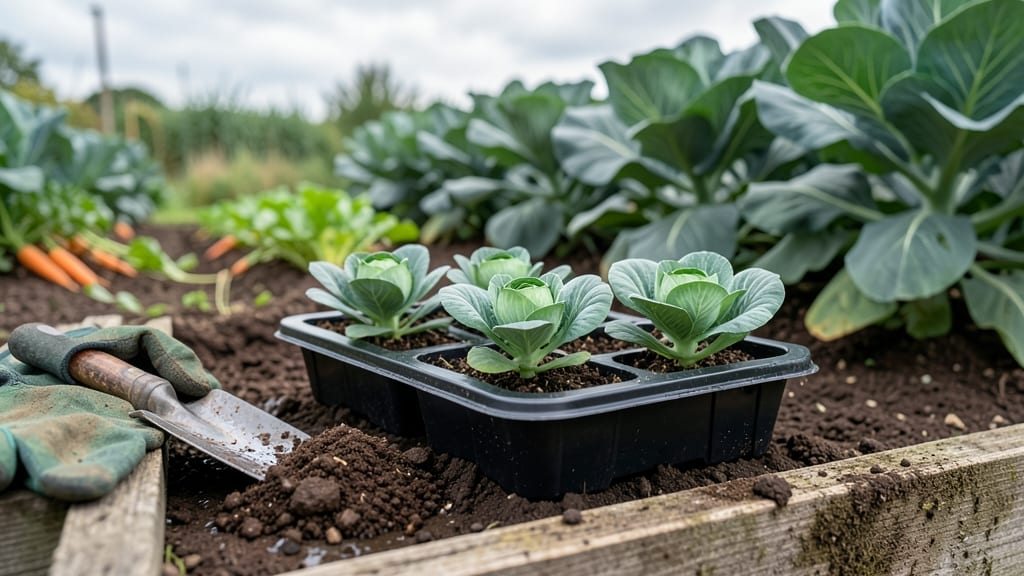
If you’ve ever planted 🥬 cabbage in Zone 7b only to watch it bolt before forming a head, you’re not alone. The secret to crisp, flavorful cabbage lies in timing—and getting it wrong can mean bitter disappointment.
Unlike other vegetables, cabbage thrives when planted at precise intervals, avoiding both the heat of summer and the chill of late fall.
In Zone 7b, where last frost typically hits around April 15, your best bet is to start seeds indoors 4–6 weeks before that date—or transplant seedlings by early March. But here’s the catch: cabbage planted too early struggles with bolting, while late plantings risk stunted growth.
The key is balancing soil warmth with cooler air to coax those perfect heads.
Don’t overlook fall planting either! For a second harvest, sow seeds in late summer (August–early September) so they mature before the first frost on November 15. This two-season strategy ensures a steady supply of fresh, homegrown 🥬 cabbage year-round—without the guesswork.
I’ll walk you through the exact planting windows, soil prep tricks, and heat-resistant varieties that work in 7b’s climate. Ready to grow cabbage that’s bolt-free and bursting with flavor? Let’s get started.
Optimal planting windows for cabbage in Zone 7b (spring & fall)
In Zone 7b, timing your cabbage planting is critical to avoid bolting—the premature flowering that turns your crisp heads into bitter, seed-filled stalks.
The key is planting 4-6 weeks before your last frost (around March 15-April 15) for spring crops and 100-120 days before your first frost (around August 15-September 15) for fall harvests.
Zone 7b’s 180 frost-free days create a perfect window for two growing seasons. Spring cabbage thrives in cooler temperatures (50-70°F), while fall varieties handle 60-75°F heat better. Miss these windows, and you risk either slow growth from late planting or bolting from summer heat.
Here’s the breakdown of your optimal planting windows with variety recommendations and temperature thresholds to keep your cabbage happy and productive.
| Season | Planting Window | Ideal Varieties | Temperature Range | Days to Harvest |
|---|---|---|---|---|
| Spring | March 15 – April 15 | ‘Golden Acre’, ‘Early Jersey Wakefield’ | 50–70°F (day) / 40–50°F (night) | 80–100 days |
| Late Summer | August 1 – August 15 | ‘Cavalo’, ‘Red Express’ | 60–75°F (day) / 50–60°F (night) | 90–110 days |
| Early Fall | September 1 – September 15 | ‘Copenhagen Market’, ‘Ruby Perfection’ | 55–70°F (day) / 45–55°F (night) | 70–90 days |
For spring planting, start seeds indoors 6-8 weeks before your last frost (around February 15) to give seedlings a head start. Transplant them outdoors when soil temperatures reach 50°F—cold soil can stunt root growth and delay maturity.
Fall planting requires more precision. Seedlings transplanted too late in summer may bolt before forming heads, while those planted too early in fall might not mature before frost.
Aim for August 15 as your cutoff for transplanting—this gives heat-tolerant varieties like ‘Cavalo’ enough time to develop heads before November 15 frost.
Pro tip: Use shade cloth (30-50%) during peak summer heat (July-August) if transplanting early for fall. This prevents temperature stress and keeps your cabbage focused on head formation instead of bolting. Just remove the cloth by mid-August to ensure full sunlight for maturity.
Remember, soil temperature matters just as much as air temperature. Use a soil thermometer to confirm it’s above 50°F before planting—cool soil slows germination and invites rot. Amend your beds with compost to improve warmth retention and drainage.
If you’re new to cabbage growing, succession planting is your best friend. Plant a new batch every 2 weeks from March to August to ensure a continuous harvest. This spreads out your risk of bolting and gives you fresh heads throughout the season.
For fall harvests, prioritize fast-maturing varieties (70-90 days) like ‘Copenhagen Market’. These can handle cooler fall temperatures and still reach maturity before frost. Pair them with row covers in October to extend your growing season by 2-3 weeks.
Finally, always check your seed packets for specific days-to-maturity. Some varieties (like ‘January King’) are bred for longer storage and can handle slightly later planting, while others need precise timing to avoid bolting.
With these windows and tips, you’ll grow crisp, sweet cabbage heads twice a year—no bolting in sight! 🥬
Optimal planting windows for cabbage in Zone 7b (spring & fall)
In Zone 7b, your cabbage success hinges on two critical planting windows: early spring and late summer. The last frost date of April 15 and first frost of November 15 frame these opportunities perfectly.
Plant too early, and cold snaps stress seedlings; too late, and summer heat triggers bolting—the dreaded flower spike that ruins your heads.
For spring cabbage, aim to sow seeds 4–6 weeks before your last frost (around March 1–15). If starting indoors, begin seeds 6–8 weeks before transplanting (early February). This ensures mature plants hit the ground when soil temps hit 45–55°F, ideal for germination without bolting risks.
Fall planting offers a second chance for crisp, sweet heads in October–November. Start seeds 100–120 days before your first frost (around August 1–15) or transplant 8–10 weeks before frost (early September). This timing lets cabbage bulk up before winter chills slow growth.
| Planting Window | Action | Temperature Threshold | Variety Recommendation |
|---|---|---|---|
| Early Spring | Direct sow or transplant | 45–55°F soil | 'Golden Acre' (heat-tolerant) |
| Late Summer | Start seeds or transplant | 60–70°F air | 'Cavalo' (slow to bolt) |
| Fall Transition | Transplant seedlings | 50–60°F soil | 'January King' (winter-hardy) |
Zone 7b’s summer heat (often exceeding 90°F) is the biggest bolting trigger. To beat it, choose heat-tolerant varieties like 'Cavalo' or 'Golden Acre' and plant in partial shade during peak afternoon heat. For extra protection, use 30–50% shade cloth over seedlings until they establish roots.
Pro tip: Succession planting every 2–3 weeks in spring and fall ensures a steady harvest. Space plants 18–24 inches apart to prevent overcrowding, which stresses plants and invites pests.
In my garden, this method gave me three harvests—one in June, one in September, and a bonus winter crop under row covers.
Always test your soil’s pH (6.0–7.0) before planting. Amend with compost or aged manure to boost fertility, and mulch with straw to retain moisture. These steps create the perfect foundation for bolt-free, flavorful cabbage in Zone 7b’s challenging climate. 🥬