
Plants
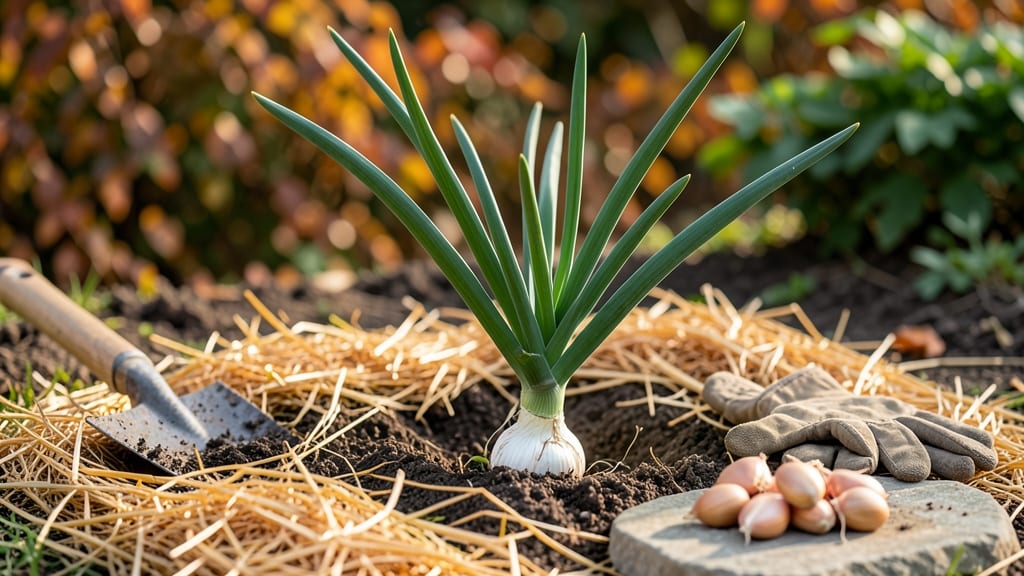
Planting garlic in South Louisiana isn’t just about timing—it’s about outsmarting the humidity and mild winters that can turn your cloves into bitter, bolting failures.
The key to growing plump, flavorful 🧄 bulbs lies in a narrow window between late October and mid-November, when soil temps drop just enough to trigger root growth without inviting early frost.
Most gardeners here make one critical mistake: waiting too long into winter or rushing in September, both of which set up garlic for bolting—the dreaded flower spike that ruins your harvest.
I’ve learned the hard way that Louisiana’s 8b-9a climate demands patience and precision, not guesswork. Let me show you exactly how to nail the timing for zero-bolt success.
Why does this matter? Because a perfect fall planting means bigger bulbs, fewer pests, and a head start on next year’s harvest.
We’ll cover soil prep tricks, the best varieties for our sticky soils, and how to adjust for coastal vs. inland microclimates—so you’re not left digging up sad, skinny cloves in spring.
Ready to grow garlic that actually tastes like garlic? Grab your gloves, and let’s get those 🧄 cloves in the ground the right way—before the first frost locks you out of the season.
Ideal fall planting window for zero-bolt garlic in South Louisiana
South Louisiana’s humid subtropical climate creates unique challenges for growing garlic. Unlike northern regions, our mild winters and high humidity mean garlic can bolt prematurely if planted too late.
The perfect window is between late October and mid-November, when soil temperatures drop below 70°F but before hard frosts arrive.
This timing ensures your cloves establish roots while still benefiting from cool winter temperatures, which are critical for bulb development. Planting too early (September) risks excessive heat, while waiting until December may trigger premature bolting before bulbs mature.
Aim for 4-6 weeks before the first frost, typically around December 1 in most of South Louisiana.
| Key Factor | Ideal Condition | South Louisiana Spec |
|---|---|---|
| Soil Temperature | Below 70°F | Late October: 65-70°F |
| First Frost Date | 4-6 weeks before | Plant by November 15 |
| Daylength | 10-12 hours | October-November: 11-12 hrs |
| Humidity Level | Moderate | October: 65-75% |
| Variety Recommendation | Hardneck preferred | 'Silverskin' or 'Creole' |
For South Louisiana gardeners, I recommend planting between October 20 and November 10 to balance these factors. This window gives your garlic enough time to establish roots before winter dormancy while avoiding the heat stress of September or the bolting risk of December plantings.
Use a soil thermometer to verify temperatures are consistently below 70°F before planting.
One common mistake is assuming "fall planting" means September. In our climate, September heat can cause cloves to sprout too early, leading to weak plants. Instead, wait until soil temperatures drop naturally.
You can even plant through early November if your area experiences delayed first frosts, but avoid planting after November 20 unless you're in coastal areas with milder winters.
Pro tip: If you're unsure about your local frost dates, check the Louisiana Master Gardener Program resources or use the National Weather Service frost prediction maps.
For most of South Louisiana (USDA zones 8b-9a), the average first frost falls around December 1, making mid-November the safest cutoff for planting.
Once planted, your garlic will benefit from our cool winters and long growing season. With proper care, you'll harvest plump, flavorful bulbs in April or May of the following year. The key is getting that timing right—too early and you risk heat stress; too late and you risk bolting.
Aim for that sweet spot between late October and mid-November for zero-bolt success.
Remember that hardneck varieties perform best in our climate, though softneck types can work if planted earlier. For coastal areas like New Orleans, you might extend planting slightly later due to milder winters, but inland areas like Baton Rouge should stick to the earlier window to avoid bolting.
After planting, focus on mulching heavily (4-6 inches) to protect cloves from temperature fluctuations and soil moisture variations. This is especially critical in South Louisiana's humid winters, where excessive moisture can lead to rot. Use straw or leaves for mulch, and avoid plastic that traps too much heat.
Finally, mark your calendar for April harvest time. In South Louisiana, garlic typically matures 10-12 weeks earlier than in northern climates due to our longer growing season. Watch for lower leaves turning brown and bulbs becoming visible above soil—these are your harvest cues.
With the right timing, you'll enjoy bold, locally grown garlic that's far superior to store-bought varieties.
Ideal fall planting window for zero-bolt garlic in South Louisiana
South Louisiana’s humid subtropical climate creates unique challenges for garlic growers. Unlike colder regions, our mild winters and high humidity demand precise timing to prevent premature bolting—when garlic sends up flower stalks instead of forming bulbs.
The key is planting 4-6 weeks before your first frost, which typically hits around December 1st in most areas.
For zero-bolt success, aim to plant between late October and mid-November. This window ensures garlic roots establish before soil temperatures drop below 50°F (10°C), which triggers dormancy.
Planting too early (like September) risks excessive heat stress, while late November planting may not give enough root growth before winter rains arrive.
| Planting Stage | Critical Action | South Louisiana Timing |
|---|---|---|
| Soil Prep | Test pH (6.0-7.0), amend with compost | September 15 - October 15 |
| Planting Window | Plant cloves 2" deep, 4" apart | Late October - Mid-November |
| Frost Protection | Apply 3-4" mulch after planting | November 15 - December 1 |
| Winter Growth | Monitor for fungal diseases | December - February |
| Harvest Ready | Lower leaves brown, bulbs exposed | April - May (following year) |
Our high humidity (often 70%+) means garlic needs excellent drainage to avoid rot diseases. Amend heavy clay soils with sand or pine fines to improve aeration. I’ve found that hardneck varieties like ‘Music’ or ‘German White’ handle our climate better than softnecks, though they require cold stratification for bulbing.
One common mistake? Planting too deep in wet soils. In South Louisiana, keep cloves only 2 inches deep—any deeper risks suffocation. After planting, cover with straw mulch to insulate roots from temperature swings. This is especially critical in coastal areas where soil stays warmer longer.
Remember: No two Louisiana winters are identical. Check your local USDA Zone 8b-9a frost dates annually. For example, New Orleans (Zone 9a) can plant garlic up to mid-November, while northern parishes (Zone 8b) should finish by early November to avoid bolting.
Use a soil thermometer—roots need 40-50°F (4-10°C) for best growth.
With the right timing, you’ll harvest bold, flavorful bulbs by late spring—no wasted effort. The secret? Plant early enough to establish roots, but not so early that summer heat stresses the cloves. That’s the Louisiana garlic sweet spot! 🧄