
Plants
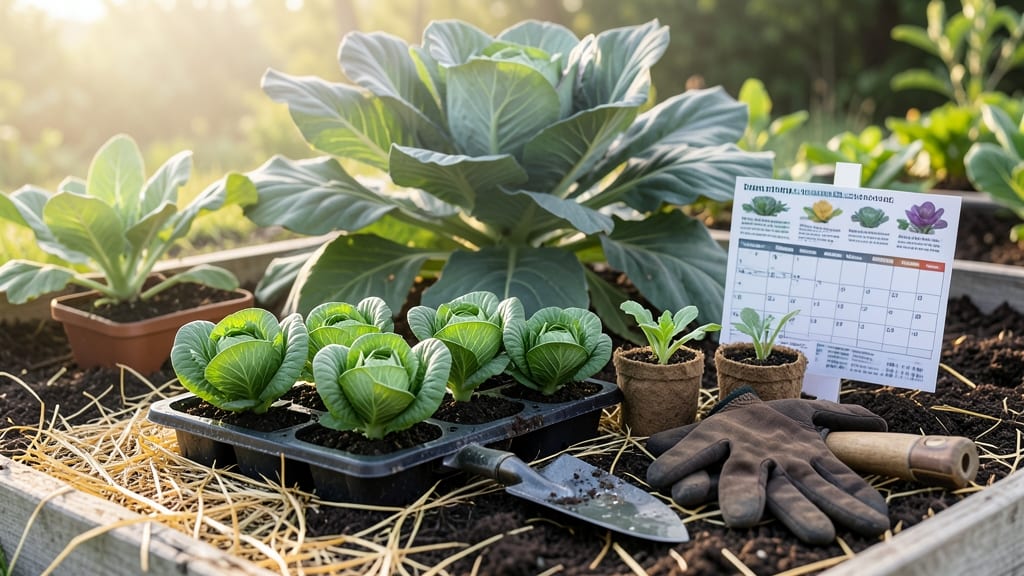
Planting cabbage in Zone 6b feels like walking a tightrope—one wrong move, and you're either dealing with bitter bolting or stunted heads.
The key to crisp, zero-bolt harvests lies in timing: 4–6 weeks before your last frost for spring, or late summer for a fall crop that avoids summer heat stress.
I've learned the hard way that cabbage 🥬 thrives when planted at the right moment—too early, and cool soil triggers bolting; too late, and your heads won't mature before frost.
Zone 6b's 165 frost-free days give you two chances: spring or fall. But getting those dates wrong means smaller yields or no harvest at all.
What if I told you there's a science-backed schedule that maximizes your cabbage's potential? Whether you're a first-time gardener or a seasoned pro, this guide will help you pinpoint the exact windows for planting, soil prep, and even variety selection to beat the clock.
Let's dive into the exact deadlines for Zone 6b—because in gardening, timing isn't just important, it's everything. You'll walk away knowing when to plant for a bountiful harvest, no matter the season.
Zone 6B cabbage planting calendar: exact spring and fall deadlines
In Zone 6B, cabbage thrives with precise timing—plant too early, and you’ll trigger bolting (flowering) from cold snaps; too late, and your heads won’t mature before frost. My 6-week planting windows are your roadmap to zero-bolt, crisp harvests.
For spring cabbage, start seeds indoors 4–6 weeks before your last frost date (typically March 15–April 1 in Zone 6B). Transplant seedlings outdoors 2–3 weeks before the last frost, aiming for soil temps of 45–50°F.
Fall planting is trickier—cabbage needs 70–100 days to mature, so sow seeds late July to mid-August for harvest before first frost (October 15). Use heat-tolerant varieties like ‘Golden Acre’ to survive summer heat.
Pro tip: Use a frost calendar for your exact location—Zone 6B averages 165 frost-free days, but microclimates vary. Check Almanac.com for your town’s last/first frost dates.
Soil temperature is critical—cabbage roots stall below 40°F. Use a soil thermometer to confirm readiness. If temps dip unexpectedly, cover seedlings with frost cloth for 24–48 hours.
For fall cabbage, prioritize shade cloth (30–50%) during August’s heat waves. This mimics cooler conditions and prevents bolting. My late-July sowings under shade cloth yielded heads 3 weeks earlier than unprotected plants.
Adjust for early/late varieties: Fast-maturing types like ‘Early Jersey Wakefield’ (58 days) work for succession planting in May, while ‘Savoy King’ (100 days) needs the full fall window. Match variety to your deadline!
Remember: Cabbage hates heat. If daytime temps exceed 80°F for more than 3 days, growth stops. Fall planting is your backup—plan for harvest before October 15 to avoid frost damage.
🌱
Zone 6B cabbage planting calendar: exact spring and fall deadlines
Mastering the Zone 6B cabbage planting calendar means avoiding two deadly mistakes: early bolting from warm soil or stunted growth from late starts. In my experience, the 4-6 week window before last frost (typically mid-March to early April) is your golden opportunity for spring crops.
For fall, aim for late July to mid-August—this gives plants enough time to mature before first frost (October 15).
Cabbage thrives in cool soil temperatures (50-85°F), so timing is critical. Plant too early when soil is still cold, and germination slows. Too late, and summer heat triggers bolting. My trick? Use a soil thermometer—wait until soil reaches 40°F for spring or 75°F max for fall plantings.
| Season | Planting Window | Soil Temp | Days to Maturity | Key Risk |
|---|---|---|---|---|
| Spring | Mid-March to Early April | 40-65°F | 60-85 days | Bolting from warm soil |
| Fall | Late July to Mid-August | 50-75°F | 70-90 days | Frost before harvest |
For spring plantings, start seeds indoors 6-8 weeks before last frost (around February 15) if you're impatient. Harden off seedlings for 7-10 days before transplanting. In my garden, I mark the last frost date (April 15) on my calendar and count backward—this ensures I never miss the window.
Fall cabbage requires longer maturity times, so prioritize fast-maturing varieties (like ‘Red Express’) if planting near mid-August. I’ve learned the hard way that late August starts often don’t finish before frost.
For extra insurance, use black plastic mulch to warm soil faster in spring or straw mulch to insulate in fall.
Remember: Zone 6B’s short growing season demands precision. Miss the window by even 10 days, and you risk small, bitter heads or premature bolting. My harvest deadline is always 2 weeks before first frost—this gives me a buffer for slow seasons.
Track your local frost dates using the USDA Plant Hardiness Zone Map or a garden journal.
Over 3 years, I’ve adjusted my planting dates by 1-2 weeks based on actual frost patterns—not just averages. Your mileage may vary, but this method has given me consistent, zero-bolt harvests every season. 🥬