
Plants
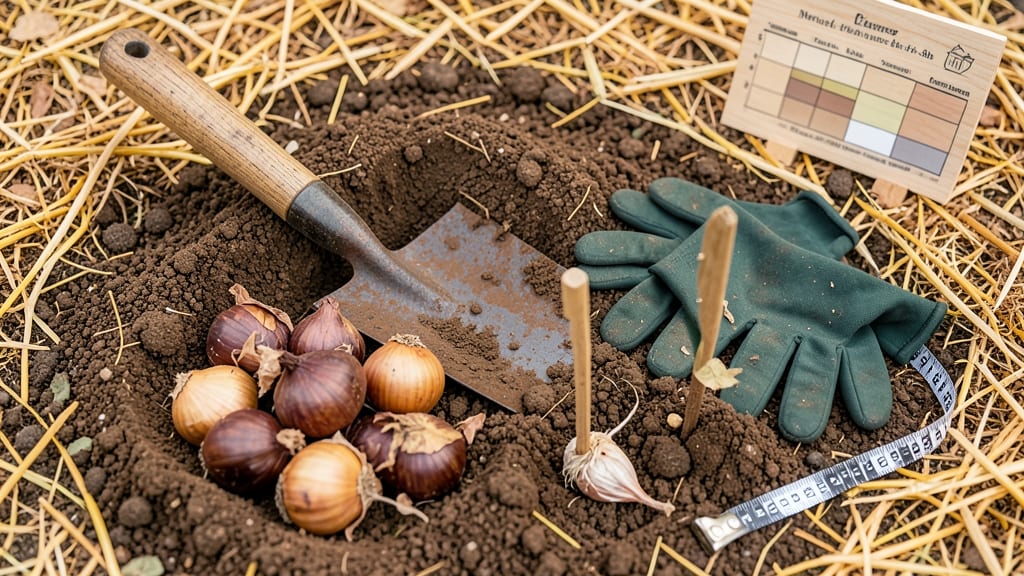
Planting your Spring-Blooming Bulbs 🌷 at the wrong time in North Carolina can mean the difference between a garden bursting with color and a disappointing spring. The secret to vibrant tulips, daffodils, and hyacinths lies in understanding when to plant—because timing isn’t just about the calendar, it’s about the climate.
In North Carolina’s 6a-8a zones, fall planting is your best bet, but getting it right means avoiding the first hard frost while still giving bulbs time to root.
Whether you’re in the Coastal Plain, Piedmont, or Mountains, the ideal window stretches from September through November, with early spring replanting possible in January or February.
I’ve learned the hard way that rushing or waiting too long can leave your bulbs struggling—so I’ll walk you through the exact cues to watch for, from soil temperature to local frost dates.
By the end, you’ll know exactly when to dig in for blooms that steal the show every spring.
Ready to transform your garden? Let’s break down the perfect planting schedule so your bulbs thrive year after year, no matter where you are in the state.
North Carolina’s ideal bulb planting window by USDA Zone
North Carolina spans USDA Zones 5-8, meaning your fall planting window varies by region—from early September in the mountains to late November in the coastal plain. The key is planting 6-8 weeks before the ground freezes, which typically falls between mid-October and mid-November for most of the state.
For Zone 5 (Mountains), like Asheville, aim to plant by mid-October when soil temps drop below 60°F. In Zone 7 (Piedmont), such as Raleigh, you’ve got until early November. Coastal areas in Zone 8 (Outer Banks) can plant as late as mid-November due to milder winters.
Spring planting is a backup option for January-February, but bulbs planted in spring often bloom later and weaker than fall-planted varieties. The ideal soil temperature for planting is 40-60°F—cool enough to encourage root growth but not frozen.
Use your local last frost date as a guide: Count back 6-8 weeks to determine your planting deadline. For example, if your last frost is March 15, plant by mid-January in fall or late January in spring.
| USDA Zone | Region | Ideal Planting Window | Soil Temp Threshold | Last Frost Date |
|---|---|---|---|---|
| Zone 5 | Mountains (Asheville, Boone) | Early September - Mid-October | 40-60°F | March 1-15 |
| Zone 6 | Piedmont (Charlotte, Greensboro) | Mid-September - Late October | 40-60°F | March 1-15 |
| Zone 7 | Coastal Plain (Raleigh, Fayetteville) | Late September - Early November | 40-60°F | March 15-30 |
| Zone 8 | Outer Banks (Manteo, Hatteras) | October - Mid-November | 45-65°F | March 15-April 1 |
🌱 Pro Tip: Use a soil thermometer to confirm temps—bulbs need 4-6 weeks of root growth before frost.
If you miss the fall window, early spring planting (January-February) works for hardy varieties like daffodils and alliums, but expect smaller blooms. Prioritize fall planting for tulips, hyacinths, and crocuses—they need winter chilling to bloom reliably.
For container gardening, plant bulbs in pots by late September and keep them in a cool, dark place (like a garage) until spring. This mimics the natural chilling period bulbs need to thrive.
Check your local extension office for precise frost dates—microclimates (like urban heat islands) can shift planting windows by 2-3 weeks. For example, Raleigh’s urban areas may stay 5°F warmer than rural zones, delaying frost.
Once planted, mulch with 2-3 inches of straw or leaves to insulate bulbs and protect them from temperature swings. Remove mulch in early spring to allow foliage to emerge and photosynthesize.
Remember: Soil prep is half the battle. Amend heavy clay soil with compost or sand to improve drainage—waterlogged bulbs rot. Aim for well-draining soil with a pH of 6.0-7.0 for most varieties.
With the right timing, your North Carolina garden can burst into color from March through June, defying frost and humidity with bold, reliable blooms. 🌷
5 Signs your North Carolina bulbs are ready to plant (and 3 Mistakes to avoid)
Planting bulbs in North Carolina isn’t just about picking the right month—it’s about reading your soil, weather, and bulb health like a seasoned pro. If you miss these 5 key signs, your tulips and daffodils might never bloom.
Let’s break down what to watch for and what to avoid at all costs.
First, check your soil temperature. Bulbs thrive when soil cools to 60°F or below—a must for root establishment before winter. Use a soil thermometer to confirm.
If temperatures hover above 65°F, wait a few weeks. Planting too early in warm soil can rot bulbs before they even sprout.
Next, inspect your bulbs for firmness and plumpness. A healthy bulb feels solid, with no soft spots or mold. Shriveled or papery skins are red flags—these bulbs may not survive.
Store them in a cool, dry place until conditions improve. Squeeze test: If it gives like a stress ball, skip it.
Now, monitor the moisture levels. North Carolina’s fall weather can swing from bone-dry to saturated overnight. Aim for soil that’s damp but not soggy—think of a wrung-out sponge.
Overwatering at planting time suffocates bulbs, while dry soil prevents roots from anchoring. A quick finger test works: dig 2 inches deep; if it’s dry, water lightly before planting.
Don’t overlook the weather forecast. Aim to plant bulbs 6-8 weeks before your region’s first frost. In the Mountains (Zone 6a), that’s mid-October; in the Coastal Plain (Zone 8a), early November. Check the National Weather Service for your local frost date and adjust accordingly.
Here’s a critical mistake many gardeners make: planting bulbs too deep. While it might seem logical to bury them deep for protection, most bulbs only need 2-3 times their height in soil.
For example, a 2-inch tulip bulb should go 4-6 inches deep. Over-deepening starves them of sunlight, delaying—or preventing—blooms.
Another common error? Ignoring soil prep. Before planting, loosen the soil to 6 inches deep and mix in compost or aged manure for nutrients. Skip this step, and your bulbs will struggle to establish roots, leading to weak or no blooms next spring.
Think of it as laying the foundation for a house—skimp, and everything else fails.
- 🌡️ Soil temp drops below 60°F (use a thermometer to confirm).
- 🌱 Bulbs are firm and plump (no soft spots or mold).
- 💧 Soil is damp but not waterlogged (like a wrung-out sponge).
- ⏰ 6-8 weeks before first frost (check your USDA Zone).
- 🌿 Loose, compost-amended soil (6 inches deep).
- 🔥 Planting in warm soil (above 65°F).
- ❌ Over-deepening bulbs (buried deeper than 3x their height).
- 🚫 Skipping soil prep (no compost or loosening).
Pro tip: Mark your planting spots with biodegradable flags or a garden map. North Carolina’s mild winters can make it easy to forget where you’ve planted, and digging up bulbs accidentally is a heartbreaking mistake. A little organization now saves headaches later.
Once you’ve nailed these signs and avoided the pitfalls, your bulbs will reward you with bold, reliable blooms next spring. The key is patience—rushing or delaying planting can turn your garden dreams into a bust. Now grab your gloves and get planting!