
Plants
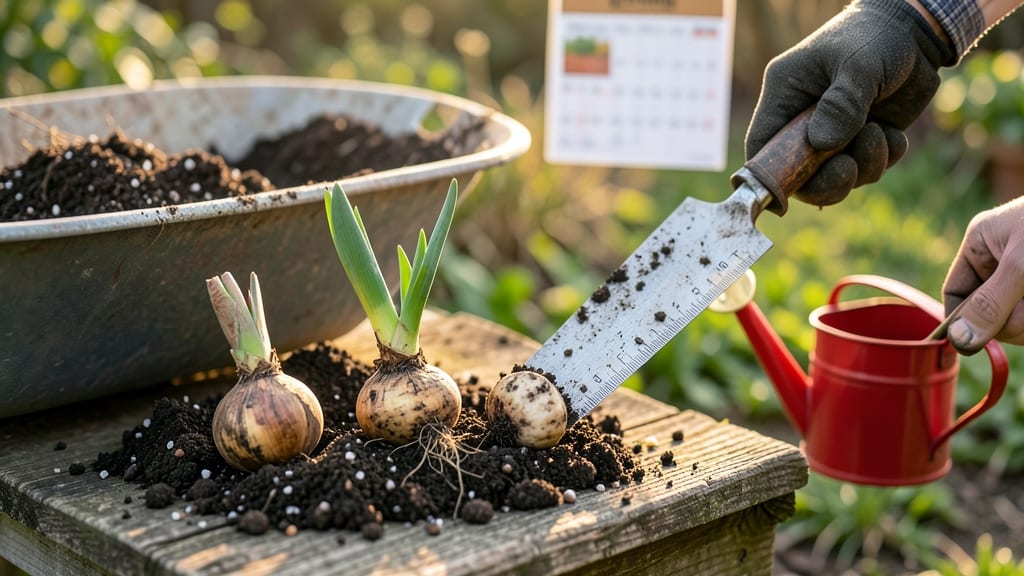
Timing your spring flowering bulbs (like tulips, daffodils, and hyacinths) in Kentucky can make or break your garden’s springtime show—plant too early, and they’ll rot; too late, and they might not bloom at all.
With Kentucky’s 6a-7a climate, the ideal window is short but sweet: late summer through early fall, when soil temps dip but frost hasn’t arrived yet.
I’ve seen too many gardeners miss this window, only to watch their hard work fade before it even begins. The key is planting 6-8 weeks before the ground freezes—usually between September and November—so the bulbs establish roots before winter sets in.
But what happens if you wait until spring? Some bulbs still thrive, while others struggle in Kentucky’s unpredictable weather.
In this guide, I’ll break down the exact deadlines for fall planting, plus which bulbs actually do well when planted in spring. You’ll learn how to prep your soil, avoid common mistakes, and even adjust for Kentucky’s clay-heavy dirt.
Whether you’re a first-time planter or a seasoned gardener, these tips will help you get it right the first time.
Let’s get your garden ready for a year-round floral display—starting with the perfect planting schedule for your 🌷 Spring Flowering Bulbs.
Fall planting deadlines for Kentucky bulbs: month-by-month guide
Kentucky’s USDA Zones 6a-7a create a unique window for planting spring-flowering bulbs—like tulips and daffodils—that must be planted in fall to bloom the following year.
The key is to get them in the ground 6-8 weeks before the first frost, typically by November 1, but timing varies by variety and soil conditions.
Your soil temperature is the best indicator: bulbs need 60°F soil to root before winter dormancy. In Kentucky, this usually happens between mid-September and late October, but a late summer heatwave can push that window earlier. Always check with your local Cooperative Extension Service for precise frost dates.
Here’s how to align your planting with Kentucky’s fall weather patterns:
| Bulb Type | Ideal Planting Window | Soil Temp Threshold | Last Chance Date | Kentucky-Specific Tip |
|---|---|---|---|---|
| Tulips | Late September - Mid-October | 60°F | November 15 | Plant deep (8") to prevent deer from digging them up. |
| Daffodils | Mid-October - Early November | 55°F | December 1 | Deer-resistant; great for woodland gardens. |
| Hyacinths | Late September - October | 58°F | November 10 | Plant in containers for easy winter protection. |
| Crocuses | Early September - October | 50°F | November 1 | Early bloomers; perfect for early spring color. |
| Dahlias (Tubers) | Mid-April - May | 65°F | June 1 (spring planting) | Not fall-planted; wait until soil warms. |
For summer-blooming bulbs like dahlias and cannas, Kentucky’s spring planting window opens in mid-April once soil temperatures consistently stay above 65°F. These aren’t traditional "bulbs" but tubers or rhizomes, so they need warmer soil to sprout.
I always wait until after the last frost date (around April 15) to plant these.
Pro tip: If you miss the fall planting window, you
Spring planting options for Kentucky: best bulbs to plant after winter
While fall planting is ideal for most bulbs, Kentucky gardeners can still enjoy spring blooms by planting certain varieties in early spring. The key is choosing hardy bulbs that tolerate cooler soils and shorter growing seasons.
Crocuses, alliums, and gladiolas are excellent options for spring planting, as they establish quickly and bloom within weeks.
For spring-planted bulbs, aim to get them in the ground by March 15—before Kentucky’s last frost date of April 15. This gives roots enough time to establish before summer heat arrives.
Focus on bulbs that thrive in partial shade, like woodland phlox or fritillaria, to protect them from intense afternoon sun.
- ✅ Test soil temperature: Wait until soil warms to 50°F+ (use a soil thermometer).
- ✅ Choose shade-tolerant bulbs: Opt for varieties like crocuses or alliums that thrive in cooler conditions.
- ✅ Amend clay soil: Mix in compost or sand to improve drainage—Kentucky’s heavy clay can suffocate spring bulbs.
- ✅ Water deeply after planting: Give bulbs a deep soak to encourage root growth before summer droughts hit.
- ✅ Mulch lightly: Use straw mulch (2 inches) to retain moisture and regulate soil temperature.
One of my favorite spring-planted bulbs is gladiolas, which bloom in late summer and add dramatic height to borders. Plant them 3 inches deep and 4 inches apart in well-draining soil.
For early color, try crocuses—they’ll push through snow for cheerful purple blooms by March. Just be sure to plant them shallowly (2 inches deep) to avoid rot in wet springs.
If you’re planting summer-blooming bulbs like dahlias or cannas, start them indoors in late February and transplant after the last frost. These bulbs need warm soil to thrive, so rushing them outdoors too soon can stunt their growth.
For containers, use well-draining mix with perlite to prevent waterlogging—a common issue in Kentucky’s rainy springs.
Don’t overlook deer-resistant options like daffodils (plant in early spring if missed in fall) or alliums, which deer typically avoid. For extra protection, add a light fence or plant near thorny shrubs like barberry. Mulch with gravel around high-value bulbs to deter digging.
Remember, spring-planted bulbs may not bloom as vigorously as fall-planted ones, but they’ll still reward you with color and texture when timed correctly. Pair them with annuals like pansies for instant spring interest while your bulbs establish. With the right varieties and care, even late plantings can yield stunning results!