
Plants
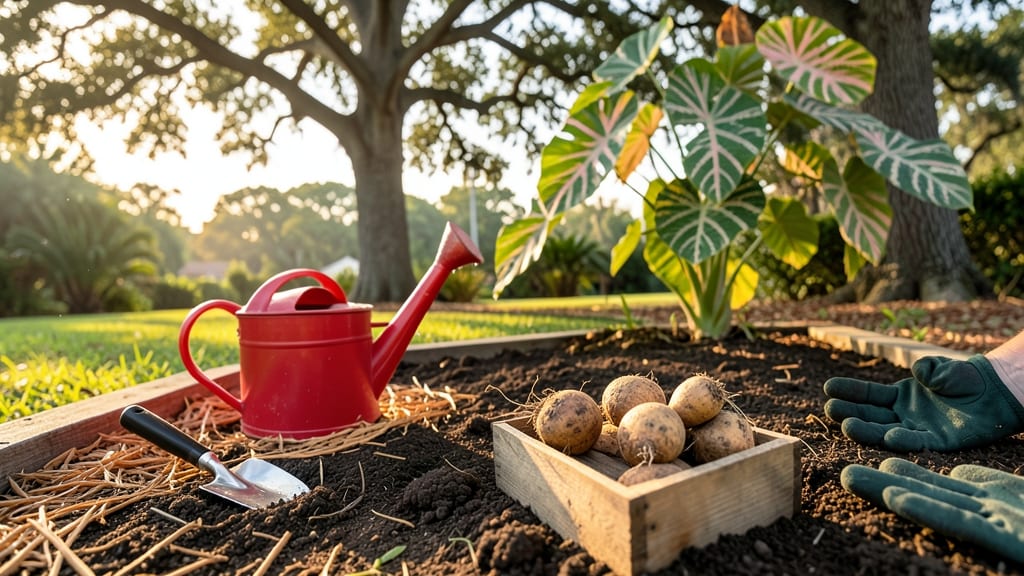
Planting caladium bulbs in Florida at the wrong time can mean wilted dreams before summer even begins. These stunning 🌿 plants thrive when soil warms up—too early, and they’ll sulk in cool ground; too late, and you’ll miss their vibrant foliage display.
The secret? Timing it right between Florida’s unpredictable spring showers and scorching summer heat.
Most gardeners in zones 9a-11 reach for their caladium tubers between March and April, once the last frost has faded and soil temperatures hit at least 65°F.
But Florida’s climate throws curveballs—coastal areas warm faster than inland spots, and a late cold snap can throw off even the best-laid plans. Here’s how to nail the perfect window without guessing.
What you’ll discover is that caladiums aren’t just about planting dates—they’re about reading your garden’s signals. From soil thermometers to shade cloth hacks, we’ll cover the easiest ways to extend their season and keep them looking showstopping all summer. No more missed opportunities!
Let’s dive into the exact steps to plant your caladiums when they’ll flourish, not flounder—because in Florida, timing isn’t just a suggestion, it’s the difference between a stunning garden and a sad, wilted disappointment.
Optimal planting months for caladium bulbs in Florida’s climate zones
Florida’s USDA zones 9a-11 create unique challenges for caladium lovers. Unlike northern states, we don’t have to worry about frost, but our humidity and heat demand precise timing.
Planting too early risks heat stress, while waiting too long means missing the peak summer foliage display that makes these plants so prized.
For most of Florida, March through early April represents the sweet spot for planting caladium bulbs. This window aligns with when soil temperatures consistently reach 65°F (18°C)—the minimum needed for healthy root establishment.
In South Florida (zones 10b-11), you can start as early as February, while North Florida (zones 8b-9a) may need to wait until mid-April.
Here’s where Florida’s microclimates come into play. Coastal areas like Miami or Fort Myers often experience earlier warming than inland cities like Orlando or Gainesville.
Even a 5-mile difference can mean a 2-week planting window shift, so check your local last frost date (yes, even in Florida!) and heatwave forecasts.
🌱
If you’re in North Florida (zone 8b), consider using shade cloth or black plastic mulch to warm the soil faster. I’ve found that staggered planting—putting in a few bulbs every 2-3 weeks—extends your bloom season by ensuring fresh foliage as older plants fade.
The key is soil temperature, not air temperature. Use a soil thermometer ($10 at garden centers) to verify readiness. Dig down 2 inches—that’s where your caladium roots will establish first.
If it’s below 65°F, wait a week or two; if it’s above 80°F, your bulbs may rot before sprouting.
Pro tip: Pre-warm your planting area by covering it with black landscape fabric for 2-3 weeks before planting. This simple trick can shave 10-14 days off your waiting time, especially in cooler inland zones. I’ve seen this method work miracles for late-March plantings in Lakeland.
Remember, caladiums are tropical escapees that thrive on consistent warmth. Once planted, they’ll reward you with stunning foliage from summer through early fall, but only if you’ve given them the perfect warm-up.
Miss the window, and you’ll be left with wilting leaves or no growth at all.
For container growing, the rules are slightly different. Potted caladiums can handle earlier planting because you can move them to shadier spots or even indoors during heatwaves. But for in-ground plantings, precision is critical.
🌿
Signs your Florida garden is ready for caladium bulbs (and when to wait)
Timing your caladium bulb planting in Florida isn’t just about checking a calendar—it’s about reading your garden’s cues. These tropical plants thrive when soil temperatures consistently stay above 65°F (18°C), signaling it’s safe to plant.
In North Florida, wait until mid-March, while South Florida gardeners can start as early as February.
Don’t rush! Planting too early risks heat stress or even premature sprouting. Instead, watch for these key readiness signs before digging in your tubers. The right conditions ensure your caladiums grow lush and vibrant all summer.
🌱
If your garden checks these boxes, it’s go time! Plant your caladium tubers 3-4 inches deep in well-draining soil enriched with compost. For extra protection, add a 2-inch mulch layer to retain moisture and regulate soil temperature.
Pro tip: Stagger your planting by 2-3 weeks for continuous blooms. Start with early varieties in March, then add more in April. This ensures your garden stays colorful through summer and early fall.
✂️