
Plants
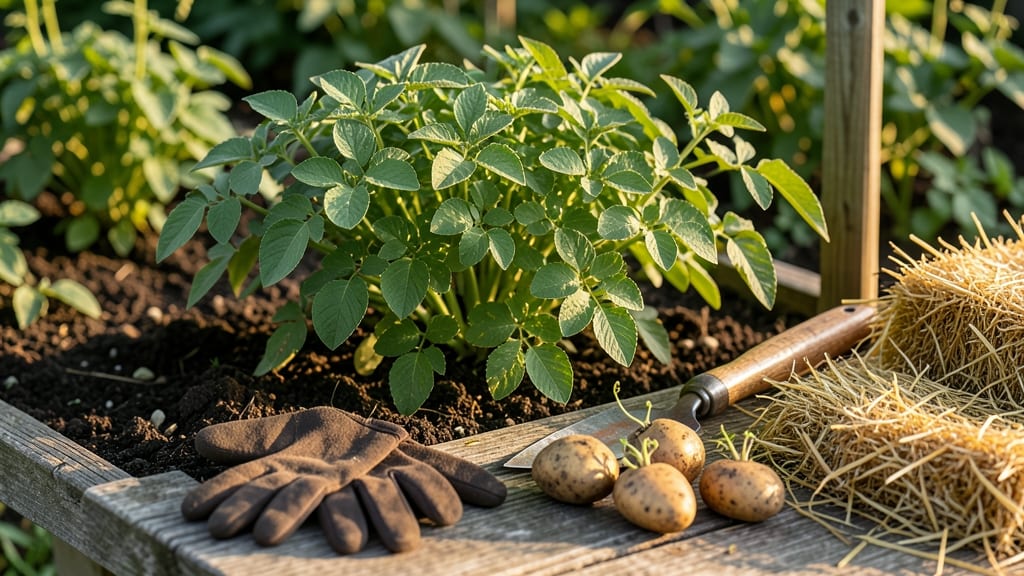
Timing when do you plant potatoes in Kentucky isn’t just about following a calendar—it’s about outsmarting the Bluegrass State’s unpredictable frost dates and short growing season. Plant too early, and you risk losing your crop to late spring freezes; wait too long, and your harvest shrinks before summer’s end.
Most gardeners in USDA Zone 6a aim to plant seed potatoes between late February and early April, when soil temperatures hit 45°F—but the exact window depends on your county’s microclimate.
Whether you’re growing early reds or late Yukon Golds, knowing the frost-free timeline for your area is the key to avoiding blight and maximizing your yield.
In this guide, I’ll break down the optimal planting windows for Kentucky’s climate, including soil prep tips and early signs of sprouting to help you time your planting perfectly. No more guessing—just a clear, actionable plan tailored to your location.
Ready to grow bigger, healthier potatoes this season? Let’s dive into the frost-free timeline that works for your garden—and your taste buds.
Kentucky potato planting timeline by variety type (early vs mid vs late season)
Kentucky’s USDA Zone 6a climate means your potato planting window hinges on soil temperature and last frost dates, which vary between cities like Louisville and Lexington.
Most gardeners aim to plant 2-4 weeks before the last frost, typically between late February and early April, but the exact timing depends on your potato variety.
Early varieties like ‘Red Pontiac’ can handle cooler soils and faster growing seasons, while late varieties like ‘Yukon Gold’ need more time to mature. Rural areas often enjoy 2-3 weeks earlier planting than urban zones due to microclimates. Always check the National Weather Service for late frost warnings in spring.
Here’s how to align your planting with Kentucky’s 180-day frost-free season, broken down by potato type:
For Louisville, the average last frost date is March 15, so aim to plant early varieties by February 28 to avoid frost damage. In Lexington, where frosts linger slightly longer, shift planting to March 1–15 for early potatoes.
Rural areas like Paducah can start as early as February 15 if soil warms quickly.
Always chit your seed potatoes (sprout them indoors) 4–6 weeks before planting to jumpstart growth. Place them in a bright, cool spot—60–65°F (15–18°C)—with light exposure to encourage sprout development. This gives you a 2-week head start on the growing season.
If you’re planting late varieties, consider using black plastic mulch to warm the soil faster. Lay it down 2–3 weeks before planting to raise soil temps by 5–10°F, helping late potatoes mature before Kentucky’s first frost in November.
Watch for late spring frosts, which can occur as late as April 15 in some years. Use frost cloth or row covers for the first 2 weeks after planting to protect young sprouts. Remove covers once plants reach 6 inches tall to avoid overheating.
Remember: Potatoes need 6–8 hours of sun daily, so choose a south-facing bed for maximum yield. Amend your soil with compost before planting—Kentucky’s clay-heavy soils benefit from organic matter to improve drainage and prevent rot.
🥔 For a second crop, try fall planting in late summer (August) using early varieties. These “garden potatoes” mature quickly before winter sets in, giving you a late-season harvest.
How to adjust planting dates for Kentucky’s microclimates and frost risks
Kentucky’s rolling hills and urban heat islands create microclimates where frost dates can vary by 2-3 weeks between rural areas and cities like Louisville. If you’ve ever planted potatoes only to lose them to a late frost, you’re not alone—even experienced gardeners struggle with Kentucky’s unpredictable spring weather.
The key is flexibility: knowing how to extend your growing season or protect early plantings can mean the difference between a failed crop and a harvest of golden Yukon Golds.
For example, Lexington’s average last frost date is April 15, but rural areas in Western Kentucky might see frost as late as May 1. Meanwhile, urban heat pockets in Louisville can push soil temperatures up faster, allowing earlier plantings.
Adjusting your timeline based on your specific location and using season-extending tools is the secret to success. Let’s break down how to do it right.
⚠️ Frost Warning: How to Protect Early Plantings
Late spring frosts are Kentucky’s #1 potato killer. Here’s how to shield your plants when the forecast turns chilly:
- Row Covers: Use floating row covers to raise soil temps by 5-8°F and protect seedlings from 28°F frosts.
- Cold Frames: Build a low tunnel with clear plastic to trap heat—ideal for February plantings in sheltered spots.
- Black Plastic Mulch: Lay it down 2 weeks before planting to warm soil 3-5°F faster than bare earth.
- Clover or Grass Mulch: Spread 1-2 inches over planted rows to insulate tubers from ground-level frost.
🌱 Pro Tip: Monitor the National Weather Service’s Kentucky Frost Advisory (issued via email alerts) for 3-day forecasts.
If you’re planting early varieties like ‘Yukon Gold’, aim for 2-3 weeks before your local last frost date—but only if soil temps are above 45°F.
For late-season potatoes like ‘Kennebec’, wait until after May 15 in most of Kentucky to avoid blight risks from prolonged cool, wet springs. My rule of thumb? Plant when daffodils bloom—a natural indicator that soil is warm enough.
Another trick is successive planting: start with early varieties in March, then add mid-season types in April, and finish with late varieties in early May. This staggered approach ensures a continuous harvest and spreads out your risk.
Just be sure to space rows 3 feet apart to allow airflow and reduce disease pressure from Kentucky’s humid summers.
For gardeners in higher elevations (e.g., Eastern Kentucky), where frosts linger longer, consider container growing. Move pots into a garage or cold frame at night and return them to sunlight by day.
This works surprisingly well for bush varieties like ‘Red LaSoda’, which mature faster and tolerate cooler temps better than russets.
Finally, don’t ignore soil temperature gauges—they’re your best friend. Potatoes won’t sprout until soil hits 45°F, but ideal germination occurs at 50-60°F. If your thermometer reads below 40°F, hold off planting or use black plastic mulch to speed up warming.
Patience here pays off with stronger, healthier plants that resist Kentucky’s notorious late-season blight.