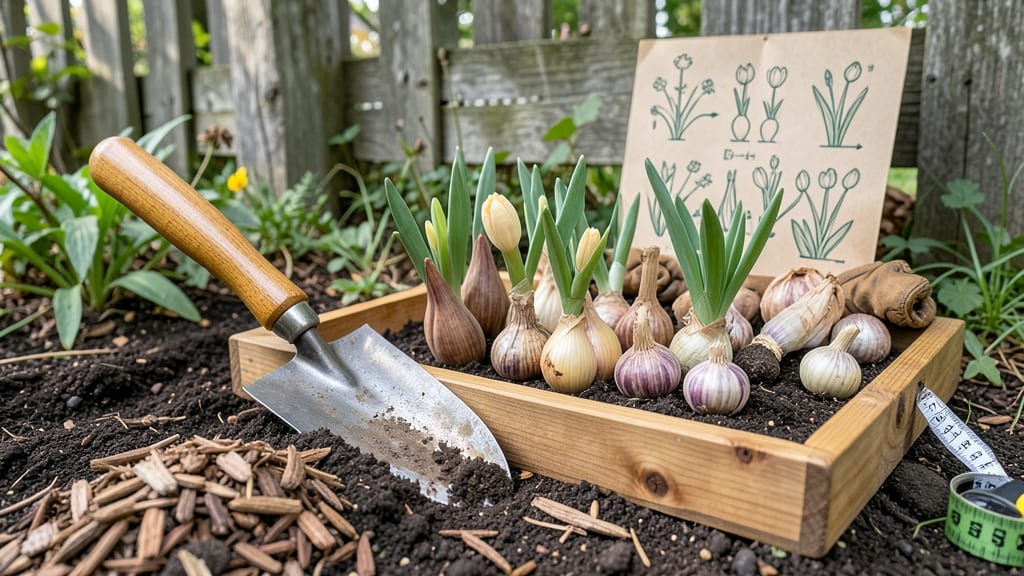
Planting Spring-Blooming Bulbs 🌷 in Indiana isn’t just about throwing them in the ground—it’s about timing them perfectly to survive winter’s chill and burst into color come spring.
Most gardeners assume "fall planting" means October, but in Indiana’s 5b-6b zones, the real magic happens when soil temps drop below 60°F—usually 4-6 weeks before frost. That means late September for northern Indiana or early October for southern regions.
Get it wrong, and you risk frost heave or bulbs rotting before winter. But nail the timing, and you’ll enjoy reliable blooms year after year. I’ll walk you through the exact months for daffodils, tulips, and even late bloomers like alliums.
Ready to transform your yard into a springtime showstopper? Let’s break down the step-by-step schedule—plus the tools to track frost dates so you never guess again.
🌷When to Plant Spring-Blooming Bulbs-Blooming Bulbs
Jan❄️
Feb🌱
Mar🌷
Apr🌷
May🌱
Jun☀️
Jul☀️
Aug🌱
Sep🌷
Oct🌷
Nov🌱
Dec❄️
Ideal Time
Also Good
Indiana bulb planting calendar: month-by-month guide by chill-hour requirements
Indiana gardeners know timing is everything when planting bulbs. The key to reliable blooms lies in understanding chill-hour requirements—the number of hours below 40°F bulbs need to trigger flowering.
Most Indiana varieties thrive in USDA Zones 5b-6b, where average first frost arrives around October 20 and last frost typically lands on April 15. Planting too early risks frost heave, while waiting too long may result in stunted growth.
For spring-flowering bulbs like tulips and daffodils, fall planting is critical. These bulbs need 6-12 weeks in the ground before winter sets in.
In Indiana’s climate, that means September through early October is your prime window. Summer-blooming bulbs, such as alliums and rain lilies, follow a different schedule—plant them in late summer (August) to ensure they establish roots before winter.
Here’s how Indiana’s microclimates influence your planting timeline. Northern Indiana (e.g., Fort Wayne) tends to have earlier frosts than southern Indiana (e.g., Evansville), so adjust your schedule accordingly.
For example, gardeners in Zone 5b should plant by late September, while those in Zone 6b can extend planting into early October. Always check your local frost dates for precision.
Let’s break down the best planting months for Indiana’s most popular bulbs, including their chill-hour needs and ideal soil temperatures. This comparison table will help you plan your garden for maximum impact next spring.
Bulb Type
Chill-Hour Needs
Best Planting Month
Soil Temp for Planting
Depth (inches)
Notes
Daffodils (Narcissus)
600-900
September-October
Below 60°F
6-8"
Deer-resistant; plant early to avoid squirrel theft.
Tulips
400-600
October-November
Below 50°F
6-8"
Plant after soil cools; mulch heavily for winter protection.
Hyacinths
700-900
September-October
Below 60°F
6"
Intense fragrance; plant in clusters for impact.
Crocuses
300-500
September-October
Below 50°F
3-4"
Early bloomers; great for naturalizing in lawns.
How Indiana’s microclimates affect bulb planting success in northern vs. southern regions
Indiana’s geography creates distinct microclimates that can shift bulb planting windows by weeks—especially between northern Zone 5b areas like Fort Wayne and southern Zone 6b regions near Louisville. Understanding these differences ensures your bulbs get the chill hours they need without risking frost damage.
In northern Indiana, where winters are colder and frost arrives earlier (late October), aim to plant most bulbs between mid-September and mid-October. Southern Indiana’s milder climate extends the window until mid-November, but don’t wait too long—soil temps must drop below 60°F for proper root establishment.
Here’s how Indiana’s regions compare for key bulb varieties:
Region
Zone
Ideal Planting Window
Soil Prep Tip
Northern Indiana (Fort Wayne, Gary)
5b
Mid-Sept to Mid-Oct
Add compost to heavy clay
Central Indiana (Indianapolis)
6a
Late Sept to Early Nov
Test drainage in low spots
Southern Indiana (Louisville, Evansville)
6b
Late Sept to Mid-Nov
Use sand in sandy soils
For spring-planted bulbs like caladiums or cannas, southern Indiana’s longer growing season lets you start as early as late March, while northern gardeners should wait until after April 15 (average last frost date). Always check your local USDA frost map—Indiana’s variability means a 3-week difference between regions.
Another critical factor is soil drainage. Northern Indiana’s clay-heavy soils often need organic matter (like compost or peat moss) to prevent rot, while southern areas may require sand amendments to improve water flow.
Test your soil’s moisture retention by digging a 12-inch hole—if water pools after 24 hours, amend before planting.
Pro tip: Use mulch (3-4 inches) after planting to insulate bulbs from temperature swings. In northern Indiana, this helps prevent frost heave; in southern areas, it protects against early spring thaws. Adjust mulch types—straw for cold climates, shredded leaves for milder zones.