
Plants
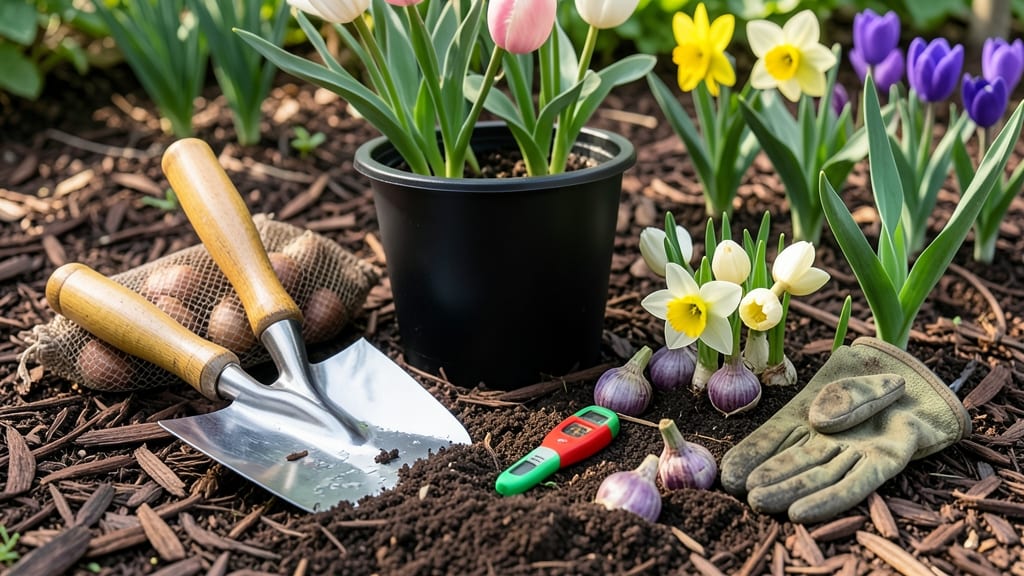
Planting your Spring Flowering Bulbs 🌷 at the wrong time in Oklahoma can mean the difference between a showstopping spring display and a sad, half-hearted attempt at blooms.
The key isn’t just waiting for fall—it’s knowing exactly when to tuck those bulbs into the soil so they get the perfect chill they need before Oklahoma’s unpredictable winters kick in.
Most gardeners in zones 6a-7b assume "fall" means anytime between September and December, but that’s where mistakes happen. Plant too early, and your bulbs might rot in the lingering summer heat; too late, and they won’t get enough cold to trigger those vibrant blooms next spring.
I’ve learned the hard way that timing isn’t just about the calendar—it’s about the chill hours your specific bulbs need.
In this guide, I’ll break down the exact planting windows for tulips, daffodils, hyacinths, and crocuses in Oklahoma, so you can avoid common pitfalls like overwatering or early frost damage.
Whether you’re a beginner or a seasoned gardener, these tips will help you plan for success—because nothing beats the sight of those first 🌷 popping up in March.
Ready to set your garden up for a spectacular spring? Let’s dive into the science behind Oklahoma’s chill zones and how to time your planting like a pro.
Oklahoma’s chill-hour zones: how cold do bulbs need to bloom?
Oklahoma’s diverse climate means not all bulbs thrive equally—chill-hour requirements determine whether your tulips or daffodils will bloom.
The state spans USDA Zones 6b to 8a, with northern regions (like Oklahoma City) needing 600-1,000 chill hours, while southern areas (like Tulsa) may only get 300-600 hours. This difference forces adjustments in planting timing and bulb selection.
For example, tulips (which need 8-12°F temperatures) may struggle in Zone 8a unless planted early or chosen from heat-tolerant varieties. Meanwhile, daffodils, which handle 5-10°F, are more forgiving. Understanding these zones helps you pick bulbs that’ll survive Oklahoma’s winters and bloom reliably each spring.
Here’s how to match bulbs to your region’s chill hours:
| Zone & Location | Chill Hours | Best Bulbs for Chill Hours | Planting Window |
|---|---|---|---|
| Zone 6b (Northern OK: Enid) | 900-1,200 | Tulips, Hyacinths, Crocuses | October 1-15 |
| Zone 7a (Central OK: Oklahoma City) | 600-900 | Daffodils, Alliums, Grape Hyacinths | October 15-November 1 |
| Zone 7b (Southern OK: Tulsa) | 400-700 | Daffodils, Snowdrops, Fritillaria | November 1-15 |
| Zone 8a (Southeast OK: McAlester) | 300-500 | Daffodils, Cyclamen, Winter Aconite | November 15-December 10 |
If you’re in Zone 7a or warmer, focus on low-chill bulbs like daffodils or snowdrops. These varieties bloom reliably even with fewer cold hours.
For Zone 6b, you can push the envelope with tulips and hyacinths, but plant them earlier to ensure they get enough chill before winter sets in.
Pro tip: Check your local last frost date (usually mid-November in northern OK) and plant bulbs 4-6 weeks before the ground freezes. This gives roots time to establish without rotting in warm soil.
Another trick for southern Oklahoma gardeners is to layer bulbs—plant deeper varieties (like daffodils) first, then shallower ones (like crocuses) on top. This extends bloom time and maximizes your chill-hour budget.
For northern Oklahoma, where winters are colder, you can afford to plant later in November and still get full bloom potential. Just avoid planting after the ground freezes—frozen soil can damage bulb roots and reduce next year’s flowers.
Remember, soil temperature matters just as much as air temperature. Use a soil thermometer to confirm the ground is below 60°F before planting. If it’s still warm, your bulbs may rot before they root.
Finally, mulch after planting to protect bulbs from temperature swings. A 2-3 inch layer of straw insulates roots and keeps them consistently cold—perfect for meeting those chill-hour requirements.
Exact planting deadlines by bulb type for Oklahoma’s heat zones
Oklahoma’s USDA Zones 6a-7b mean bulbs need precise timing to thrive. Plant too early, and summer heat will rot them; too late, and they won’t get enough chill hours to bloom.
I’ve mapped out the exact deadlines for your favorite bulbs, including tulips, daffodils, and crocuses, so you can avoid costly mistakes.
For northern Oklahoma (Zones 6a-6b), aim to plant bulbs between mid-September and early November. In southern Oklahoma (Zones 7a-7b), extend your window slightly to late September through mid-December—but don’t wait too long, or your bulbs may not bloom.
The key is planting when soil temps drop below 60°F.
🚨 NON-NEGOTIABLE: Oklahoma’s unpredictable weather means checking your local frost dates. Most areas see their first frost between November 15 and December 15, so plant bulbs 4-6 weeks before that date to give them time to root.
| Bulb Type | Ideal Planting Window | Chill Hours Needed | Oklahoma Notes |
|---|---|---|---|
| Tulips | Mid-Sept to Nov 15 | 8-12°F (1,000-1,500 hrs) | Plant early in north OK; avoid late Nov in south OK |
| Daffodils | Oct 1 to Dec 1 | 5-10°F (500-1,000 hrs) | Hardy; can handle later planting |
| Crocuses | Sept 15 to Nov 1 | 4-8°F (300-800 hrs) | Early bloomers; plant by Oct for best results |
| Alliums | Oct 15 to Dec 1 | 6-10°F (600-1,200 hrs) | Drought-tolerant; great for late plantings |
If you’re planting in southern Oklahoma (Zones 7a-7b), you can push the deadline slightly later, but don’t wait past December 1—even daffodils need some chill time. For northern Oklahoma, stick to the earlier window to avoid early frosts cutting off root growth.
Pro tip: Use mulch after planting to protect bulbs from temperature swings. A 2-3 inch layer of straw or leaves keeps soil temps stable and prevents heaving during freeze-thaw cycles. This is especially critical in Oklahoma’s Zone 6a areas, where winters can be harsh.
Finally, remember that spring-planted bulbs (like rain lilies or calla lilies) follow a different timeline—plant them in March or April after the last frost. But for classic spring bloomers, fall is your only shot at success. Don’t miss the window!