
Plants
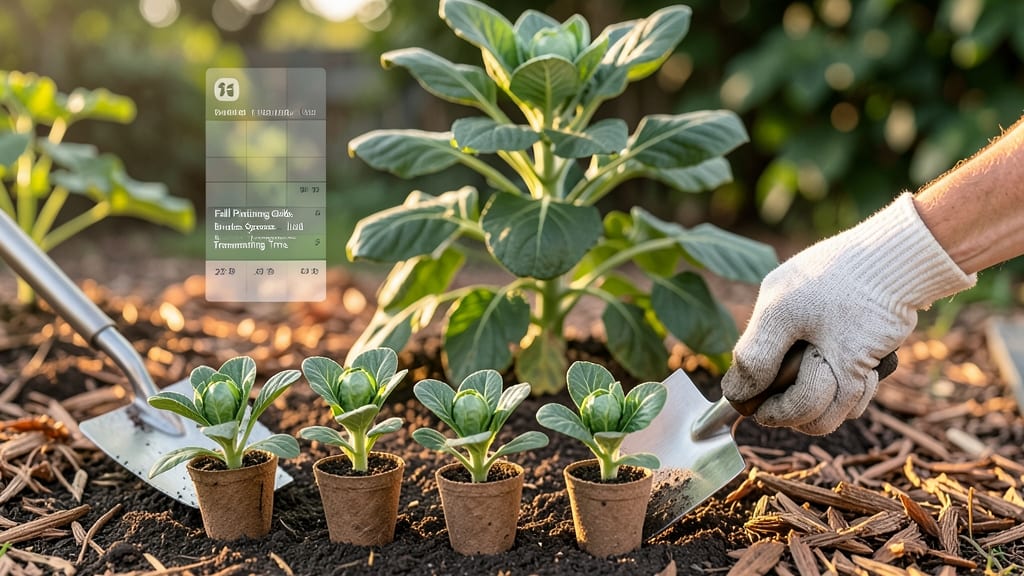
Planting Brussel sprouts 🥦 in Southern California’s heat zones 9-10 isn’t just about timing—it’s about outsmarting the climate. Skip the summer months, and you’ll avoid the bitter disappointment of bolting plants or stunted growth.
Most gardeners in SoCal know the key is cool weather, but the real secret lies in the September-October window for fall crops or February-March for winter harvests. These months give your plants the perfect balance of warmth and cooling trends they crave.
Why does this matter? Because a well-timed planting means bigger harvests and sweeter sprouts—no more struggling with heat stress or wasted effort. I’ll show you exactly how to sync your planting with Southern California’s microclimates, whether you’re in coastal areas or inland zones.
Ready to turn your garden into a Brussel sprout powerhouse? Let’s dive into the planting calendar that actually works for our unique climate.
Southern California brussel sprout planting calendar: best months by heat Zone
Southern California’s heat zones 9-10 create unique challenges for growing brussel sprouts, which prefer cool temperatures between 50°F and 70°F. Unlike northern climates, we don’t have to worry about frost damage—but summer heat will bolt your plants if planted too early.
The key is timing: focus on fall and winter planting when daytime highs stay below 80°F.
Most SoCal gardeners successfully grow brussel sprouts during two main windows: late summer/early fall (for winter harvest) and late winter (for spring harvest).
Coastal areas like Santa Barbara and San Diego have slightly cooler microclimates, allowing for earlier fall plantings, while inland zones like Riverside and Palm Springs need to start 2-3 weeks later to avoid heat stress.
Here’s the exact planting calendar tailored for Southern California’s heat zones 9b-11, including direct sowing vs. transplanting timelines:
For direct sowing, plant seeds ¼-inch deep and 1-2 inches apart in rows spaced 18-24 inches apart. If transplanting, choose 6-8 week old seedlings with 4-6 true leaves and harden them off for 5-7 days before planting. Soil temperature should be at least 60°F for germination.
One common mistake is planting too early in August, especially inland. Even coastal areas can experience heatwaves that push temperatures into the 90s°F, stressing young plants. To avoid this, use shade cloth (30-50%) for the first 2-3 weeks after transplanting in late summer plantings.
Pro tip: Mulch heavily with 2-3 inches of straw to retain moisture and keep roots cool. In inland valleys, consider drip irrigation to deliver water directly to roots without wetting foliage, reducing fungal risks during warm winters.
If you’re in a coastal microclimate like Malibu or San Clemente, you can push your fall planting into early September—just monitor forecasts for Santa Ana winds, which can dry out soil quickly. Inland gardeners should wait until mid-September to ensure daytime temps stay below 80°F.
Remember, brussel sprouts take 90-120 days to mature, so plan your planting window to align with your desired harvest time. For example, a September 15 planting in Zone 10 will yield harvest-ready sprouts by mid-December, just in time for holiday meals.
Finally, avoid the temptation to plant in spring. While February-March works for a winter crop, anything after April will likely result in bitter, bolting plants by summer. Save your energy for the cool-season windows—your taste buds (and your plants) will thank you.
Southern California brussel sprout planting calendar: best months by heat Zone
Southern California’s heat zones 9-10 offer unique challenges for growing Brussel sprouts, but with the right timing, you can enjoy a bountiful harvest. Unlike northern climates, we don’t have to worry about frost dates, but summer heat (above 85°F) will quickly stress these cool-weather crops.
The key is planting during mild shoulder seasons—either late summer/early fall or late winter.
For most of Southern California, the ideal planting window is between mid-September and mid-October for a fall crop, or mid-February to early March for a spring harvest.
Coastal areas (like San Diego) have slightly cooler microclimates, allowing for earlier fall plantings (August), while inland valleys (like the San Fernando Valley) should wait until late September to avoid early heat waves.
| Planting Window | Zone 9 (Coastal) | Zone 10 (Inland Valleys) | Notes |
|---|---|---|---|
| Fall Planting | August 15 - September 15 | September 1 - October 1 | Avoid planting before August 15 inland; harvest by February. |
| Winter Planting | February 15 - March 15 | February 1 - March 10 | Harvest May-July; use shade cloth if temps exceed 80°F. |
| Direct Sowing | September 1 - October 15 | September 15 - October 30 | Sow seeds ½" deep; thin to 18" apart for best air circulation. |
| Transplanting | August 20 - September 30 | September 1 - October 15 | Use 6-week-old starts; harden off before transplanting. |
Direct sowing is my preferred method for Southern California because it hardens plants naturally, but transplants can give you a 2-week head start if you source cold-hardy seedlings. For both methods, soil temperature should be between 55-75°F—use a soil thermometer to check before planting.
If temperatures exceed 80°F during the day, your plants will bolt (flower prematurely) or develop bitter, woody sprouts.
Another pro tip: Succession planting works well for Brussels in SoCal. Sow every 2-3 weeks from September through October to stagger your harvest. This way, you’ll have fresh sprouts from December through February (fall crop) or May through July (spring crop).
Just remember—once daytime temps hit consistently above 75°F, it’s time to pull up your plants or provide heavy shade.
If you’re in a coastal area like Malibu or Santa Barbara, you can push your fall planting slightly earlier (early August) because ocean breezes moderate temperatures. However, inland areas (like Riverside or Palm Springs) should wait until late September to avoid the September heat spike.
Always monitor your local weather forecasts—a sudden heat wave can derail even the best-laid plans.
For gardeners in heat zone 10b (like the Coachella Valley), consider container growing with 50% shade cloth during summer months. This gives you flexibility to move plants to cooler spots when needed.
With the right timing and a little patience, you’ll be enjoying homegrown Brussels that outshine store-bought any day. 🥦