
Plants
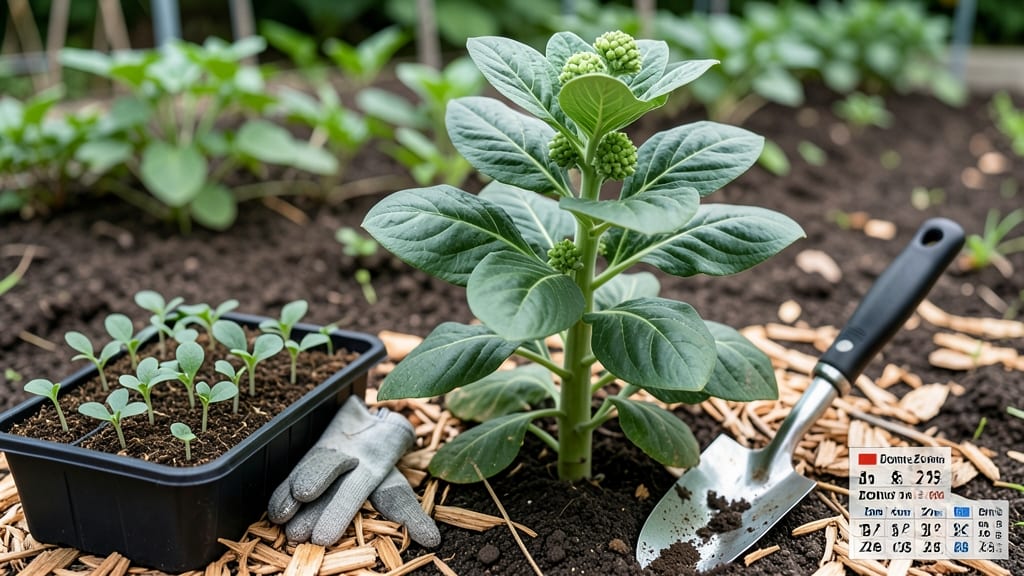
Timing your Brussel sprouts 🥦 planting in Zone 8 could mean the difference between a thriving harvest and a sad, wilted disappointment.
The secret lies in planting during those sweet spots of early fall or late winter—when temperatures drop just enough to prevent bolting but stay warm enough for steady growth.
Most gardeners in Zone 8 swear by August through September for fall plantings, giving those 🥦 plenty of time to mature before the first frost. But here’s the catch: if you miss that window, late winter (February-March) offers a second chance for a spring harvest.
I’ll break down the exact dates, soil prep tips, and even how to adjust for microclimates so you never guess again.
Why does this matter? Because Brussels sprouts are frost-tolerant but hate summer heat—plant too early, and you’ll get bitter sprouts or bolting plants. Too late, and frost ruins your crop.
I’ll show you how to nail the timing, whether you’re starting from seeds or transplants, so you can enjoy homegrown 🥦 from November through January.
Ready to grow a garden full of these mini cabbages? Let’s dive into the perfect planting schedule, plus post-planting care tricks to keep your Brussel sprouts 🥦 thriving until harvest—no more wasted effort, just delicious results.
Best planting windows for Brussel sprouts in Zone 8 (fall focused)
Brussel sprouts in Zone 8 demand precise timing to avoid summer bolting or winter frost damage. The ideal window is late summer to early fall, when temperatures drop below 80°F but before the first frost.
For most Zone 8 gardeners, this means mid-August through September for direct sowing or transplants.
Why this timing? Brussel sprouts prefer cool weather (50-75°F) for optimal growth. Planting too early in summer triggers bolting (flowering prematurely), while planting too late risks frost damage before harvest. Soil temperature should be at least 50°F for seeds to germinate properly.
For a second harvest, you can also plant late winter (February-March), about 8-10 weeks before your last frost date. This gives you a spring harvest before summer heat sets in. However, fall plantings typically yield larger, sweeter sprouts due to cooler temperatures.
Adjust your timing based on your microclimate. Coastal areas may have milder winters, allowing slightly later fall plantings, while inland regions should plant earlier to avoid frost. Always check your local frost dates—most Zone 8 gardeners face first frost around mid-November.
Here’s a quick reference for Zone 8 planting success, including soil prep, spacing, and care tips to maximize your harvest:
| Planting Stage | Action | Notes |
|---|---|---|
| Soil Prep | Test pH (6.0-7.0), amend with compost | Brussels need well-draining soil to prevent rot. |
| Direct Sowing | Mid-August to September, 1/2 inch deep | Thin seedlings to 18-24 inches apart. |
| Transplanting | Late August to early September | Use 6-8 week old seedlings for best results. |
| Spacing | 18-24 inches apart, rows 30 inches apart | Taller varieties need more space to avoid shading. |
| Watering | 1-1.5 inches per week, morning | Avoid waterlogging—brussels hate soggy roots. |
| Fertilizing | Balanced 10-10-10, 4-6 weeks after transplanting | Stop fertilizing 6 weeks before harvest. |
| Harvest Window | November to January (fall plantings) | Pick from bottom up as they mature. |
If you’re planting in late winter (February-March), aim for a spring harvest by early summer. This works best in milder Zone 8 microclimates where frost is rare.
For example, gardeners in Southern California can extend harvests into December or January, while those in Central Texas may need to plant earlier to avoid heat stress.
Pro tip: Use row covers in late fall to protect young plants from unexpected frost. This can push your harvest window by 2-4 weeks in cooler microclimates. Just remove covers during the day to prevent overheating.
For direct sowing, start seeds indoors 8-10 weeks before your last frost date (
Best planting windows for Brussel sprouts in Zone 8 (fall focused)
In Zone 8, Brussel sprouts love the cooler weather of fall and late winter, but timing is everything. Planting too early means heat stress, while waiting too long risks frost damage.
The ideal window is mid-August to mid-September for fall harvests or late February to early March for spring harvests.
Zone 8’s first frost typically arrives around November 15, so aim to plant 8-10 weeks before frost for a full harvest. Soil temperatures should be between 50°F and 75°F—too hot, and your sprouts will bolt; too cold, and growth stalls.
Pro Tip: Check your local microclimate—valleys stay cooler longer, while hillsides warm up faster. Adjust planting dates by 1-2 weeks if your area runs hotter or colder than average.
| Planting Window | Soil Temp | Harvest Time | Notes |
|---|---|---|---|
| Mid-August to Mid-September | 50°F–75°F | November–January | Best for fall harvests; avoid summer heat |
| Late February–Early March | 55°F–70°F | April–June | Spring harvest; use row covers for frost protection |
| July (direct sow) | 60°F–75°F | September–October | Risky; needs shade cloth if hotter than 80°F |
For direct sowing, drop seeds ½ inch deep in well-drained soil with 18 inches between plants. If starting transplants indoors, begin 8-10 weeks before your target outdoor date. Harden off seedlings for 7-10 days before transplanting.
After planting, mulch with straw or leaves to retain moisture and regulate soil temperature. Water deeply 2-3 times per week, focusing on the roots—not the leaves—to prevent fungal diseases like downy mildew.
Remember: Brussel sprouts need 6+ hours of sun daily, but they’ll tolerate partial shade in Zone 8’s summer heat. Choose a south-facing spot for best results, and watch for cabbage worms—handpick them early to avoid damage.