
Plants
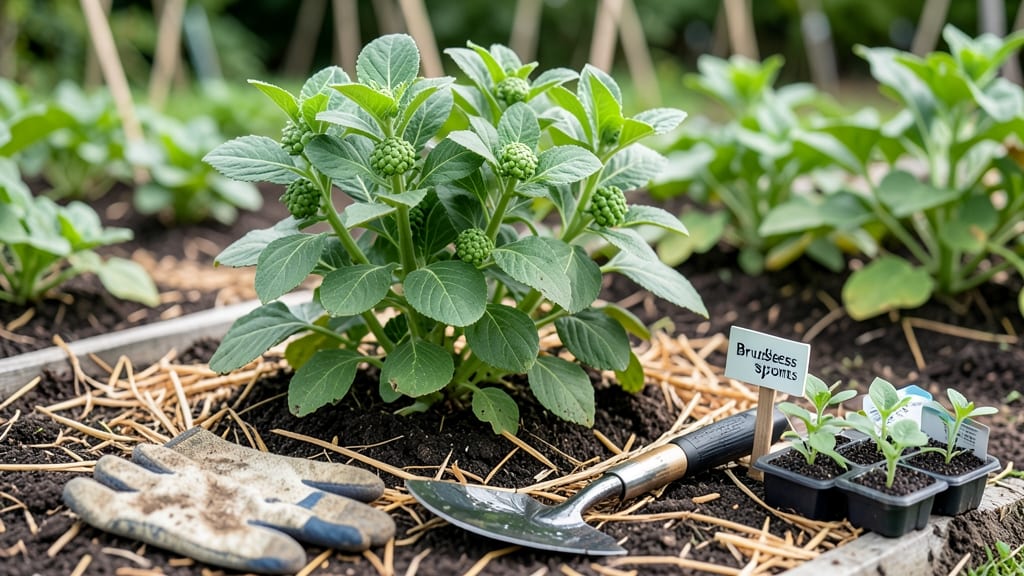
If you’ve ever planted Brussel sprouts 🥦 in Zone 7 only to watch them bolt into bitter, useless stems, you’re not alone—and the fix starts with timing.
The key to harvesting sweet, tender sprouts all winter isn’t just when you plant, but how you sync your schedule with Zone 7’s frost dates and soil warmth.
Most gardeners miss the perfect 8–10 week window before your first frost (around November 15 in Zone 7), which means their plants either struggle in summer heat or get nipped by early cold.
I’ll show you exactly how to avoid these pitfalls, whether you’re starting seeds indoors in March or transplanting in July for a fall harvest.
Why does this matter? Because a well-timed Brussel sprout planted in late summer can keep producing flavorful harvests through December—while a misjudged spring planting often leads to disappointment. Let’s dive into the strategies that actually work for Zone 7’s climate, so you can enjoy homegrown sprouts without the guesswork.
From soil temperature tricks to variety selection, I’ll walk you through every step to ensure your plants mature just in time for harvest. No more wasted effort—just crisp, delicious sprouts straight from your garden.
Ideal Zone 7 planting windows for Brussel sprouts: avoid bolting with these timing tricks
Brussel sprouts thrive in Zone 7 when planted at the right time, but timing is everything—especially if you want to avoid the dreaded bolting (when plants prematurely flower and become bitter).
The key is planting 8-10 weeks before your first frost, which in Zone 7 typically falls around mid-November. This means your fall planting window should start in late July to early August, with a second chance in early spring (March) for a summer harvest.
Why? Brussel sprouts are cool-season crops that hate summer heat. Planting in late summer gives them time to establish roots before winter sets in, while avoiding the heat stress that triggers bolting.
In cooler microclimates (like higher elevations in Zone 7), you can push planting slightly later—up to mid-August—but in hotter areas, early August is your best bet.
To pinpoint your exact planting window, check your average first frost date. For most of Zone 7 (e.g., Richmond, VA; Nashville, TN), this is around November 15.
Count backward 90 days to land on your ideal transplant date. If you’re starting from seeds, add another 4-6 weeks for seedlings to mature.
Pro tip: Use a soil thermometer to confirm soil temps are below 80°F before planting. Heat-loving weeds like purslane will pop up if your soil is still too warm, signaling it’s not yet safe for Brussels.
Zone 7 Planting Timeline for Brussel Sprouts
| Planting Window | Action | Soil Temp | Notes |
|---|---|---|---|
| Late July – Early August | Transplant seedlings | Below 80°F | Best for fall harvest |
| Early March | Direct sow or transplant | 40–50°F | Summer harvest risk |
| Mid-August (cooler areas) | Transplant | Below 75°F | Extend growing season |
If you’re starting from seeds, begin indoors 6-8 weeks before your target transplant date. Use seed trays with a grow light to prevent leggy seedlings.
Harden off seedlings for 7-10 days before transplanting to avoid shock. In Zone 7, this means sowing seeds indoors around June 15–July 1 for a late-summer transplant.
For gardeners in warmer microclimates (e.g., Atlanta, GA), focus on shade cloth or drip irrigation to keep plants cool during August. Mulch heavily with straw or wood chips to insulate roots and retain moisture. Avoid plastic mulch—it traps heat and accelerates bolting.
One common mistake? Planting too early in late spring. While Brussels can tolerate light frosts, they’ll bolt faster in warm spring soil (above 70°F). Stick to the fall window for the sweetest, most flavorful sprouts.
Remember: The goal is to have mature plants ready by October, so they can bulk up before winter slows growth. With the right timing, you’ll harvest crisp, sweet sprouts from November through January—long after most gardens have gone dormant.
🌱
Ideal Zone 7 planting windows for Brussel sprouts: avoid bolting with these timing tricks
Brussel sprouts thrive in Zone 7’s cool fall temperatures, but timing is everything. Plant too early, and they’ll bolt from summer heat; too late, and they won’t mature before frost.
The sweet spot is a fall transplant 8–10 weeks before your first frost—typically July 15–August 15 in most of Zone 7.
For direct sowing, aim for early spring (March–April) when soil temps hit 40°F (4°C). This gives plants time to establish before summer’s heat. Soil temperature is your best guide—wait until it’s consistently above 45°F (7°C) for 2+ weeks.
🌱 Key Timing Tricks:
- Check your last frost date (usually mid-November in Zone 7).
- Count backward 90 days to find your ideal transplant date.
- Avoid summer heat—Brussel sprouts hate temps above 80°F (27°C).
| Planting Window | Zone 7 Dates | Soil Temp | Best For |
|---|---|---|---|
| Early Spring | March 1–April 15 | 45–60°F (7–15°C) | Direct sowing |
| Late Summer | July 15–August 15 | 50–65°F (10–18°C) | Transplanting |
| Fall (Backup) | September 1–15 | 55–70°F (13–21°C) | Fast-maturing varieties |
If you’re in a cooler microclimate (e.g., higher elevation), push planting to late August. In hotter zones (e.g., southern Zone 7), start seeds indoors in June for transplanting in early August. Shade cloth can help protect young plants during heatwaves.
Pro tip: Use a planting calendar or app like Old Farmer’s Almanac to track your local frost dates. Zone 7’s variability means your neighbor’s ideal window might not match yours—always verify!
Remember, Brussel sprouts need 90–120 days to mature. Plant too late, and you’ll miss the harvest window. Plan ahead to enjoy homegrown sprouts from October through December!