
Plants
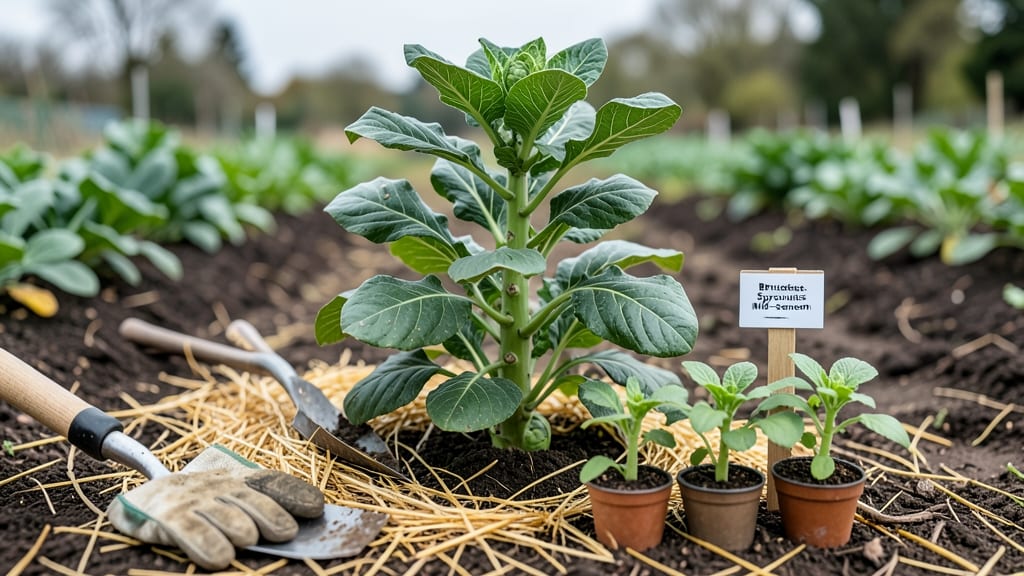
Timing when to plant brussel sprouts in NJ just right means the difference between a bumper crop and a frost-killed disappointment.
If you've ever watched your hard work turn to mush overnight, you'll want to know the exact windows that work for NJ's 6a-7b zones—because getting it wrong isn't just frustrating, it's a waste of your garden space.
The key to zero-frost harvests lies in planting mid-April to early June for spring crops or late July to early August for fall, but here's the catch: NJ's microclimates vary wildly from north to south. Coastal areas stay warmer longer, while inland spots can get hit with unexpected cold snaps.
I'll break down exactly when to put those seeds in the ground—whether you're starting indoors or direct-sowing—for the most reliable results.
You'll also discover how to work with NJ's unpredictable weather patterns, from using row covers to adjust your planting schedule when Mother Nature throws curveballs.
Trust me, these small tweaks can mean the difference between a garden full of bitter, woody sprouts and tender, sweet harvests that'll make your neighbors jealous.
Let's cut to the chase: with the right timing and a few pro tips, you can enjoy fresh 🥦 from October straight through December—no frost damage in sight. Ready to turn your NJ garden into a brussel sprout powerhouse? Let's get started.
Optimal NJ planting dates by microclimate zone (with frost risk charts)
New Jersey’s three distinct microclimates—North, Central, and South—create unique frost windows for brussel sprouts. Planting too early risks frost damage, while late planting may yield small, bitter sprouts. I’ll break down the ideal planting windows for each zone, including soil temperature requirements and transplant vs. direct-sowing strategies.
For North Jersey (USDA Zone 6a), the last frost date typically falls between April 15-30. This means your spring planting window should start March 15-April 1 for transplants or April 15-May 1 for direct sowing.
Fall planting should begin July 15-August 1 to ensure a 90-day harvest before the first frost in mid-October.
In Central Jersey (Zone 6b), you have slightly more flexibility. Start transplants indoors in late March and move them out by April 15. For direct sowing, aim for April 15-May 10.
Fall planting should begin July 20-August 10 to avoid early frosts that can hit as early as October 1.
Southern NJ (Zone 7a) gardeners enjoy the longest growing season. You can plant transplants as early as March 1 or direct sow March 15-April 15. For fall, start July 25-August 15 to ensure harvests through November 1 or later, depending on microclimate.
Brussel sprouts thrive in soil temperatures between 45°F-85°F. Wait until soil warms to at least 45°F before direct sowing, or start seeds indoors 6-8 weeks before your last frost date. Use a soil thermometer to monitor—cold soil delays germination.
Here’s how to adjust your planting based on your NJ zone:
| Zone | Spring Planting Window | Fall Planting Window | First Frost Date | Soil Temp Requirement |
|---|---|---|---|---|
| North (6a) | March 15-April 1 (transplant) / April 15-May 1 (direct sow) | July 15-August 1 | Mid-October | ≥45°F |
| Central (6b) | March 22-April 15 (transplant) / April 15-May 10 (direct sow) | July 20-August 10 | Early October | ≥45°F |
| South (7a) | March 1-April 15 (transplant) / March 15-April 15 (direct sow) | July 25-August 15 | Late October-November | ≥45°F |
If you’re unsure about your last frost date, check the NJ State Climate Office or use a frost calendar for your specific county. For example, Bergen County (North) averages its last frost on April 20, while Cape May (South) sees frost as late as November 15.
For a second harvest, try a late summer planting (August 1-15) in Central and Southern NJ. These short-season varieties may produce smaller sprouts but can be harvested before winter sets in. Always use row covers to extend the season by 2-4 weeks.
Pro tip: Plant companion crops like bush beans or lettuce around brussel sprouts to maximize space and improve soil health. Avoid planting near tomatoes or cabbage, as they compete for nutrients.
Brussel sprouts need well-draining soil with a pH of 6.0-7.0. Amend your soil with compost or aged manure before planting to ensure optimal growth. In coastal areas, where soil can be sandy, add organic matter to retain moisture.
Remember, succession planting is key for a continuous harvest. Space out plantings every 2-3 weeks in spring and 3-4 weeks in fall to enjoy fresh sprouts all season. With the right timing, you’ll have homegrown brussel sprouts from October through December—just in time for holiday meals!
Brussel sprout varieties best suited for NJ’s short season
New Jersey’s short growing season demands cold-hardy brussel sprout varieties that thrive in USDA Zones 6a-7b. Choosing the right type ensures sweet, flavorful sprouts even when frost looms. My top picks balance yield, disease resistance, and harvest timing for NJ’s unpredictable climate.
For early fall harvests, prioritize varieties like 'Long Island Improved'—it matures in 90-100 days and handles light frosts beautifully. This heirloom produces tight, uniform sprouts perfect for roasting or steaming, and its disease resistance makes it ideal for NJ’s humid summers.
🥦
For late-season extensions, 'Jade Cross' shines with its disease resistance and tight sprouts. Plant this variety late July to early August for harvests through December. Its slender stalks make it perfect for small gardens or container growing in NJ’s urban areas.
If you love visual appeal, 'Red Ruby' offers deep purple sprouts that stay vibrant even after frost. While slightly lower-yielding, its unique color makes it a showstopper for holiday harvests. Pair it with 'Long Island Improved' for a two-tiered harvest from October to December.
🌱Pro Tip: Space plants 18-24 inches apart in well-draining soil to prevent rot. In NJ’s humid summers, mulch with straw to retain moisture and deter pests like cabbage worms.
For succession planting, sow new seeds every 2 weeks from mid-July to early August. This ensures a continuous harvest until hard frosts hit. In cooler microclimates like North Jersey, start seeds indoors in late May for transplanting by June 15.