
Companion Plants
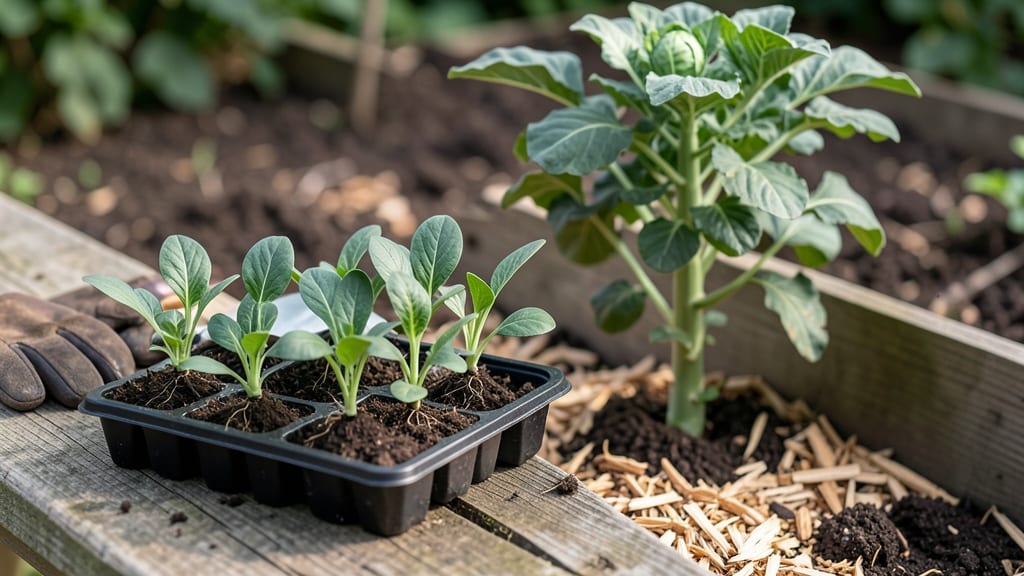
Planting Brussel sprouts 🥦 in Kentucky at the wrong time means bitter-tasting harvests—or worse, no harvest at all. The key to sweet, tender sprouts lies in locking in the perfect frost-free window, and missing it by even a week can turn your garden dreams into disappointment.
With Kentucky’s 6a-7a climate, you’ve got two prime chances: late March to early April for spring plantings or July to early August for fall harvests.
But timing isn’t just about the calendar—soil temperatures, frost dates, and even your local microclimate play a huge role in whether your 🥦 thrive or struggle.
I’ve tested what works in Kentucky gardens, from seed-starting indoors to direct sowing outdoors, and the results speak for themselves. Whether you’re a first-time gardener or a seasoned pro, these insights will help you avoid common mistakes and maximize your yield.
Let’s dive into the exact planting schedule, soil prep tips, and frost strategies that’ll have you harvesting sweet, flavorful Brussels sprouts from October to December—just in time for your favorite holiday meals.
Kentucky’s ideal planting windows for Brussel sprouts by variety
Kentucky’s USDA Zones 6a-7a create perfect conditions for Brussel sprouts, but timing is critical. The last spring frost typically hits around mid-April, while the first fall frost arrives by mid-October.
This gives you two ideal planting windows: late March to early April for spring and July to early August for fall harvests.
For spring planting, focus on early-maturing varieties like 'Long Island Improved' (90 days to harvest) to avoid bitter flavors from heat stress. Fall planting, however, allows you to grow late-season varieties like 'Ruby Ball' (120 days), which thrive in cooler temperatures and even benefit from light frost for sweeter flavor.
Soil temperature is your best guide—wait until the ground reaches at least 45°F for direct sowing. In Louiseville and Lexington, urban heat islands may delay frost slightly, so adjust your schedule by 1-2 weeks later than rural areas. Always check your local USDA frost map for precise dates.
🥦 Kentucky Brussel Sprout Planting Guide by Variety
| Variety | Planting Window | Days to Harvest | Best For | Notes |
|---|---|---|---|---|
| Long Island Improved | Spring: Late March Fall: Early July |
90 | Spring harvests | Early maturing; heat-sensitive |
| Jade Cross | Spring: Early April Fall: Mid-July |
105 | Fall harvests | Cold-hardy; great for Kentucky winters |
| Ruby Ball | Fall: Late July | 120 | Late-season harvests | Purple sprouts; frost-sweetened flavor |
| Tasty Purple | Spring: Late March Fall: Early July |
110 | Both seasons | Disease-resistant; versatile |
💡 Pro Tip: For extended harvests, plant a mix of early, mid, and late varieties in both spring and fall.
If you’re starting seeds indoors, begin 8-10 weeks before your last frost date (typically mid-February for Kentucky). Use well-draining seed-starting mix and keep seedlings in 60-70°F conditions. Harden them off for 1 week outdoors before transplanting after the last frost.
For direct sowing outdoors, plant seeds ½ inch deep and 2 inches apart, thinning to 18-24 inches between plants. This spacing prevents overcrowding and ensures proper airflow, reducing disease risk. Use row covers if planting early to protect tender seedlings from unexpected late frosts.
Kentucky’s microclimates can vary dramatically. Northern regions like Paducah may experience earlier frosts, while southern areas near Nashville might have slightly longer growing seasons. Adjust your planting dates by 1-2 weeks based on your specific location’s frost history.
Always monitor your soil temperature with a soil thermometer—Brussel sprouts prefer 55-75°F for optimal germination. If temperatures drop below 40°F, delay planting until conditions improve to avoid stunted growth.
Finally, remember that fall-planted sprouts often produce sweeter flavors after a light frost. In Kentucky, this typically happens in November, so plan your harvest before hard freezes arrive in December. With the right timing, you can enjoy fresh Brussels from October through December!
How to extend your Brussel sprout harvest in Kentucky’s short growing season
Kentucky’s short growing season and unpredictable fall frosts can make harvesting Brussel sprouts challenging, but with the right strategies, you can extend your yield well into winter. The key is combining succession planting, cold-hardy varieties, and protective measures to shield your plants from early frosts.
One of the most effective tactics is succession planting—sowing seeds every 2-3 weeks during your ideal planting window (July to early August). This staggered approach ensures a continuous harvest from October through December, even as temperatures drop.
For example, if you plant your first batch in early July, follow up with a second batch in mid-July and a third in late July.
Choose cold-hardy varieties like 'Ruby Ball' or 'Long Island Improved', which can tolerate light frosts without sacrificing flavor. These varieties also mature faster (85-90 days), giving you a head start before the first frost hits in mid-October.
Pair them with row covers or straw mulch to buy extra time in the garden.
🌱 Key Strategies to Extend Your Harvest
- 1. Succession Planting: Sow seeds every 2-3 weeks in July-August for staggered harvests.
- 2. Cold-Hardy Varieties: Opt for 'Ruby Ball' or 'Long Island Improved' (85-90 days to maturity).
- 3. Row Covers: Use floating row covers to protect plants from light frosts (28°F).
- 4. Mulching: Apply straw or leaves to insulate roots and retain soil warmth.
- 5. Harvest Early: Pick sprouts from the bottom up to encourage new growth.
- 6. Frost Enhancement: A light frost (28-32°F) can improve flavor—harvest before heavy damage.
Protective measures like row covers or cold frames can shield your plants from light frosts (28°F), extending your harvest window by 2-4 weeks. For instance, if a 28°F frost is forecasted, cover your plants at dusk and remove them midday to prevent overheating.
This simple step can save your entire crop from premature death.
Don’t forget to harvest strategically—always pick sprouts from the bottom up to encourage the plant to produce more. This method works especially well for late-season varieties, as it maximizes yield before the first hard frost.
If you’re lucky, a light frost (28-32°F) can even improve flavor, so time your harvest just before or after a mild freeze.
For gardeners in rural Kentucky or areas with earlier frosts, consider using a cold frame or low tunnel to create a microclimate. These structures can raise soil temperatures by 5-10°F, giving your Brussels sprouts an extra 3-4 weeks of growing time.
Pair this with organic mulch to insulate roots and retain moisture.
With these strategies, you’ll turn Kentucky’s short growing season into an advantage, enjoying homegrown Brussels sprouts well into winter—without the bitterness or wasted effort. Start planning your succession plantings now, and you’ll be feasting on fresh harvests long after your neighbors’ gardens have gone dormant. 🍂