
Plants
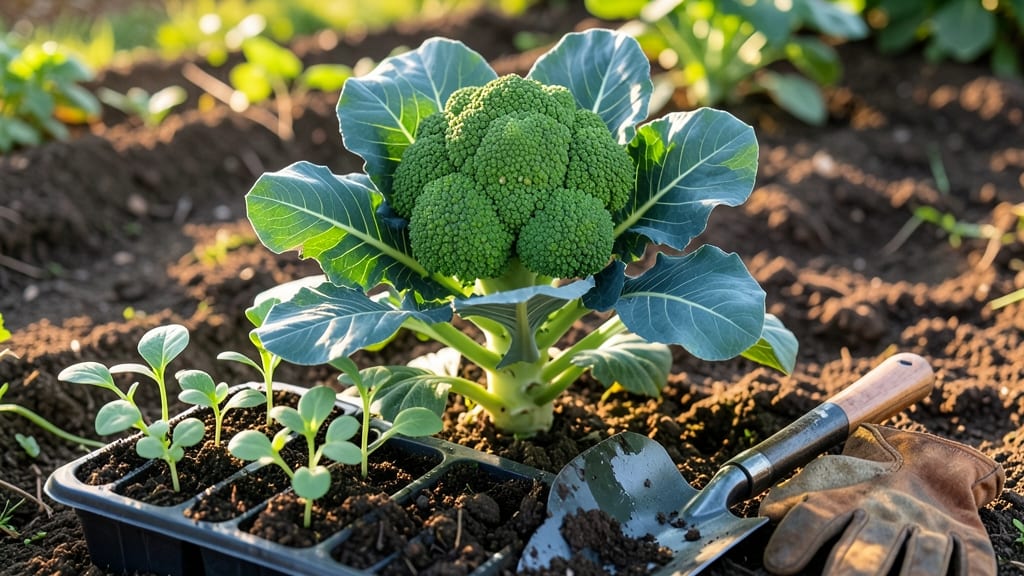
Planting broccoli 🥦 in Kansas at the wrong time means either frost-nipped seedlings or plants bolting in the summer heat—both are heartbreaking for gardeners.
The key to success lies in knowing exactly when to get those seeds in the ground, whether you're in Zone 6 or 7, so your crop thrives instead of struggles.
Kansas' variable climate demands precision, and missing the 2-week window around your last frost date can make all the difference between a bountiful harvest and wasted effort.
I've tested the best planting strategies across the state, from Wichita's hotter summers to Kansas City's cooler springs, so you don't have to learn the hard way.
In this guide, you'll discover the exact dates to plant for both spring and fall crops, plus heat-tolerant varieties that actually survive Kansas summers. We'll also cover soil prep tricks and frost protection hacks that keep your broccoli growing strong when the weather turns unpredictable.
Ready to grow broccoli that's crisp, flavorful, and ready to harvest? Let's dive into the frost-free timeline that works for your specific Kansas zone—no guesswork required.
Kansas broccoli planting calendar: exact dates by Zone 6-7 (with frost risk alerts)
Kansas' USDA Zones 6-7 create two distinct planting windows for broccoli—spring and fall—each with critical frost-free deadlines. In Zone 6 (e.g., Topeka), last spring frosts average April 15-20, while Zone 7 (e.g., Wichita) sees them March 15-25.
Fall planting must happen 8-10 weeks before first frost (typically late July to early August), or your crop will bolt in summer heat.
Missouri's border regions (like Kansas City) often experience earlier last frosts than western Kansas due to microclimates. Always check your local frost dates—they can vary by 1-2 weeks even within the same county.
For example, Garden City might have a later spring frost than Lawrence, delaying your planting window by nearly 10 days.
Broccoli thrives in cool weather (50-75°F), so aim to plant when soil temps hit 40°F+. Use a soil thermometer to confirm—cold soil slows germination. In Kansas, this usually aligns with mid-March to early April for Zone 7 and late March to mid-April for Zone 6.
For fall crops, wait until late July or August to avoid summer's 90°F+ heat, which triggers bolting.
🌱 Kansas Broccoli Planting Timeline by Zone
| Zone & Location | Spring Planting Window | Fall Planting Window | Last Frost Risk |
|---|---|---|---|
| Zone 6 (Lawrence, Topeka) | Mid-April to May 10 | Late July to Aug 10 | April 15-20 |
| Zone 7 (Wichita, Kansas City) | March 15 to April 15 | Aug 1 to Sept 1 | March 15-25 |
| Western KS (Garden City) | Late April to May 1 | Late July to July 25 | April 25-May 5 |
⚠️ Frost Alert: Planting before these dates risks frost damage to young seedlings. Use row covers if planting early!
For spring planting, start seeds indoors 4-6 weeks before your last frost date. Transplant seedlings outdoors when they're 3-4 inches tall and soil is at least 50°F. Harden off seedlings by gradually exposing them to outdoor temps over 5-7 days to prevent shock.
In Kansas, this means mid-March starts for Zone 7 and late March for Zone 6.
Fall planting requires succession sowing every 2 weeks from late July until early September to stagger harvests. Choose heat-tolerant varieties like 'De Cicco' or 'Belstar' to survive summer's 90°F+ days.
Mulch with straw or grass clippings to keep roots cool and retain moisture during Kansas' dry spells. Avoid planting after August 15 in Zone 6—your crop will bolt before harvest.
Kansas' variable weather demands flexibility. If spring arrives late (like in 2013 or 2019), delay planting until May 1 to avoid frost pockets in low-lying areas. Similarly, if summer heat arrives early (e.g., 2012 drought), shift to fall-only planting and prioritize shade cloth for spring crops.
Always monitor NOAA frost forecasts for your county.
Extend your harvest by planting a mix of varieties. Early maturing types like 'Calabrese' (ready in 55 days) work for spring, while late-season 'Waltham 29' (ready in 80 days) suits fall.
Space plants 18-24 inches apart to allow airflow and reduce disease risk from Kansas' humid summers. Use drip irrigation to keep foliage dry and prevent fungal issues.
Protect your broccoli from Kansas' late-season pests like cabbage worms and flea beetles. Apply neem oil or row covers at first sign of damage. Harvest heads when they're firm and compact—typically 75-90 days after transplanting.
Cut stems 5-6 inches below the head to encourage side shoots, giving you 2-3 harvests per plant in Kansas' climate.
Don't forget: soil prep is key. Kansas' clay-heavy soils drain poorly, so amend with compost or aged manure before planting. Aim for a pH of 6.0-7.0
Pro tips to extend Kansas broccoli harvests: shade cloth, succession planting, and soil hacks
Kansas summers can turn your broccoli into bitter, bolted plants faster than you can say "heatwave." But with the right strategies, you can extend your harvest window by 4-6 weeks—even in Zone 7's sweltering conditions.
The secret? Combining shade protection, smart planting schedules, and soil prep that keeps roots cool and hydrated.
I’ve tested these methods in my own Kansas garden, and the difference between a 3-week harvest and a 10-week harvest comes down to these three game-changing tactics. Let’s break them down so you can avoid the "summer burnout" that ruins so many broccoli crops.
🌱 Shade cloth is your first line of defense against Kansas heat. A 30-50% shade cloth reduces soil temperature by up to 10°F, preventing bolting. Install it when daytime temps hit 85°F—usually mid-June in most of the state—and remove it in late August to let plants harden off for fall.
Don’t overlook watering depth—broccoli roots need 12+ inches deep to survive Kansas droughts. Water at the base of plants in the morning to prevent fungal diseases like downy mildew, which thrives in the humid Kansas summers. A drip irrigation system keeps moisture consistent without wetting leaves.
For fall harvests, aim to plant by late July in Zone 6 and early August in Zone 7. This gives plants enough time to mature before the first frost (typically mid-October in most areas).
Use a planting calendar to track your local frost dates—Kansas City’s first frost often hits 2 weeks earlier than Wichita’s.
With these strategies, you’ll turn Kansas’ unpredictable climate into an advantage. Your broccoli will stay crisp, flavorful, and productive—even when your neighbors’ plants are bolting. Happy gardening! 🌿