
Plants
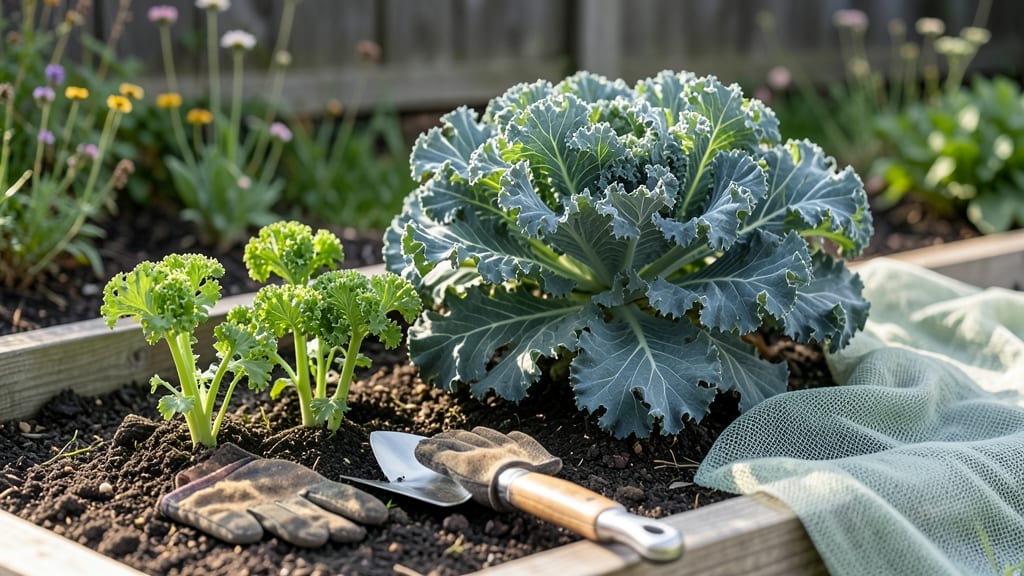
Planting brassicas 🥬 in Michigan isn’t just about sticking seeds in the ground—it’s about outsmarting the Great Lakes’ temperamental weather. Miss the 4-6 week window before your last frost, and you’ll either lose your crop to cold or watch it bolt in summer heat.
The good news? With Michigan’s 5b-6b zones, you’ve got two prime chances to grow hearty cabbage, broccoli, and kale—spring and fall.
Most gardeners here swear by starting seeds indoors by March 15 for spring plantings, then transplanting after April 15 when soil warms. But if you’re direct-sowing, wait until April 30 to avoid frost damage.
Fall plantings? August 1 is your cutoff for seeds to mature before the first frost hits in mid-October.
Here’s the game-changer: brassicas thrive in Michigan’s cool seasons, but summer’s 80°F+ temperatures send them into bolting mode. That’s why timing isn’t just about dates—it’s about microclimates, soil prep, and variety choices. Let’s break down the exact steps to turn Michigan’s short growing season into your brassica-growing advantage.
Whether you’re a first-timer or a veteran gardener, this frost-date cheat sheet will help you pick the right varieties, prep soil for heavy feeders, and avoid common pitfalls like clubroot. Ready to grow brassicas that outlast Michigan’s mood swings?
Michigan brassica planting timeline by frost dates and variety type
Michigan’s short growing season (just 150-180 frost-free days) demands precision when planting brassicas. The average last frost date is April 15, but northern Michigan (Zone 4) can see frost until May 1.
Southern Michigan (Zone 6) has a 2-week head start. Plan accordingly to avoid frost damage or heat-induced bolting.
Brassicas like broccoli, cabbage, and kale fall into two categories: cold-hardy (tolerates light frost) and heat-sensitive (bolts in summer).
Start cold-hardy varieties (e.g., kale, collards) 4-6 weeks before last frost for spring harvests. Heat-sensitive crops (e.g., broccoli, cauliflower) need 8-10 weeks before first frost for fall plantings.
Here’s your frost-date cheat sheet for Michigan, broken down by planting method (direct sow vs. transplant) and variety type:
| Planting Window | Variety Type | Planting Method | Notes |
|---|---|---|---|
| March 15 – April 1 (Zone 6) / April 1 – 15 (Zone 4) | Cold-Hardy (Kale, Collards, Brussels Sprouts) | Direct Sow or Transplant | Use row covers for early starts. |
| April 15 – May 1 (Zone 6) / May 1 – 15 (Zone 4) | Heat-Sensitive (Broccoli, Cauliflower, Cabbage) | Transplant (start indoors March 1) | Avoid bolting with shade cloth. |
| August 1 – 15 (Zone 6) / August 15 – 30 (Zone 4) | Cold-Hardy (Kale, Spinach, Radish) | Direct Sow | Fast-growing for fall harvests. |
| August 15 – September 1 (Zone 6) / September 1 – 15 (Zone 4) | Heat-Sensitive (Broccoli, Cabbage, Bok Choy) | Transplant (start indoors July 1) | Use black plastic mulch to warm soil. |
For spring plantings, focus on transplants (not direct sowing) after April 15 to avoid cold soil, which stunts growth. Fall brassicas thrive when planted 8-10 weeks before first frost—aim for August 15 in Zone 4 and September 1 in Zone 6. Direct-sow fast growers like radishes or turnips in late summer for quick harvests before frost.
Pro tip: Extend your season with row covers or cold frames to plant 2-3 weeks earlier in spring or 2 weeks later in fall. This trick adds 30-45 extra frost-free days—critical for Michigan’s short season.
For example, ‘Winterbor’ kale can survive -20°F and sweeten after frost, making it perfect for late fall/winter harvests.
Always check your local frost dates using the Michigan State University Extension’s frost calculator. Southern Michigan (e.g., Detroit) has a 2-week advantage over northern areas (e.g., Traverse City).
Adjust your timeline by 10-14 days if you’re in a warmer microclimate, like a south-facing garden or urban heat island.
Bolting is the #1 enemy of summer brassicas in Michigan. If you plant broccoli or cauliflower too late (after June 15), rising temperatures trigger flowering instead of head formation.
To prevent this, use shade cloth (30-50%) during peak summer heat (July-August) or choose heat-tolerant varieties like ‘De Cicco’ broccoli or ‘Golden Acre’ cabbage.
Start seedlings indoors 4-6 weeks before transplanting (e.g., March 1 for spring, July 1 for fall). Use grow lights for 14-16 hours/day to prevent leggy seedlings. Harden off seedlings 7-10 days before transplanting by gradually exposing them to outdoor conditions.
Remember: Soil temperature matters just as much as air temperature. Brassicas thrive in 50-75°F soil. Use a soil thermometer—if it’s below 45°F, wait 1-2 weeks or use black plastic mulch to warm the soil faster.
In Zone 4, this could mean delaying planting until May 1 instead of April.
🌱
How to adjust planting for Michigan’s microclimates and soil conditions
Michigan’s climate varies dramatically from the Upper Peninsula’s cold snaps to Southern Michigan’s sudden heatwaves, making adjustments critical for brassica success. Even within a single county, frost dates can shift by 2-3 weeks, so I always check local USDA Zone 5b-6b records before planting.
For example, Traverse City (Zone 5b) may have frost until May 10, while Detroit (Zone 6a) might be frost-free by April 20. Use these microclimate tips to fine-tune your schedule.
Start with soil prep—brassicas thrive in well-draining, slightly acidic soil (pH 6.0–7.0). Michigan’s heavy clay soils often need compost or aged manure to improve aeration. I test my soil in early spring and amend it with 2–3 inches of compost before planting.
Avoid fresh manure, which can burn young seedlings or attract pests like cabbage root maggots. A mulch layer (straw or shredded leaves) helps retain moisture and suppress weeds, saving you hours of weeding later.
- 📍 Northern Michigan (Zones 4–5): Use row covers or cold frames to extend the season by 3–4 weeks in spring/fall. Plant hardy varieties like ‘Winterbor’ kale or ‘January King’ cabbage.
- 🌡️ Southern Michigan (Zones 6a–6b): Prioritize shade cloth in July/August to prevent bolting from heat stress. Opt for heat-tolerant varieties like ‘Cavalo’ broccoli or ‘Red Express’ cabbage.
- 🌧️ Wet regions (e.g., Grand Rapids): Raise beds or use containers to avoid waterlogged soil, which causes clubroot disease. Amend soil with perlite or sand for better drainage.
- 🌿 Urban gardens (Detroit/Ann Arbor): Maximize space with vertical trellises for bushy varieties like ‘Lacinato’ kale. Use drip irrigation to avoid fungal issues from overhead watering.
- 🐛 Pest-prone areas: Interplant brassicas with herbs like dill or thyme to deter cabbage moths. Apply neem oil every 10–14 days as a preventative spray.
For fall brassicas, aim to plant 8–10 weeks before your first frost (typically August 15–September 1 in most of Michigan). Use black plastic mulch to warm the soil in early spring or straw mulch to insulate roots in fall.
I’ve had success with ‘Tokyo Bekana’ cabbage, which tolerates light frosts and sweetens after a 20°F dip. If your area gets early frosts, opt for fast-maturing varieties (e.g., ‘Quick Start’ broccoli, ready in 45 days).
Don’t overlook succession planting—this is how I stretch my harvest from June to November. After harvesting early ‘Golden Acre’ cabbage, I replant the space with ‘Red Express’ cabbage (ready in 60 days) or ‘Winterbor’ kale, which tastes sweeter after frost.
Succession planting also reduces pest buildup, since cabbage worms target the same plants repeatedly. Rotate crops with beans, tomatoes, or herbs to break the pest cycle.
If you’re new to brassicas, start with one variety per season to master timing. For example, plant ‘De Cicco’ broccoli (spring) and ‘Napa’ cabbage (fall) to test your microclimate. Keep a planting journal to track frost dates, soil temps, and harvest yields—this data becomes invaluable for future seasons.
With these adjustments, you’ll turn Michigan’s short growing season into a brassica bonanza! 🌱