
Plants
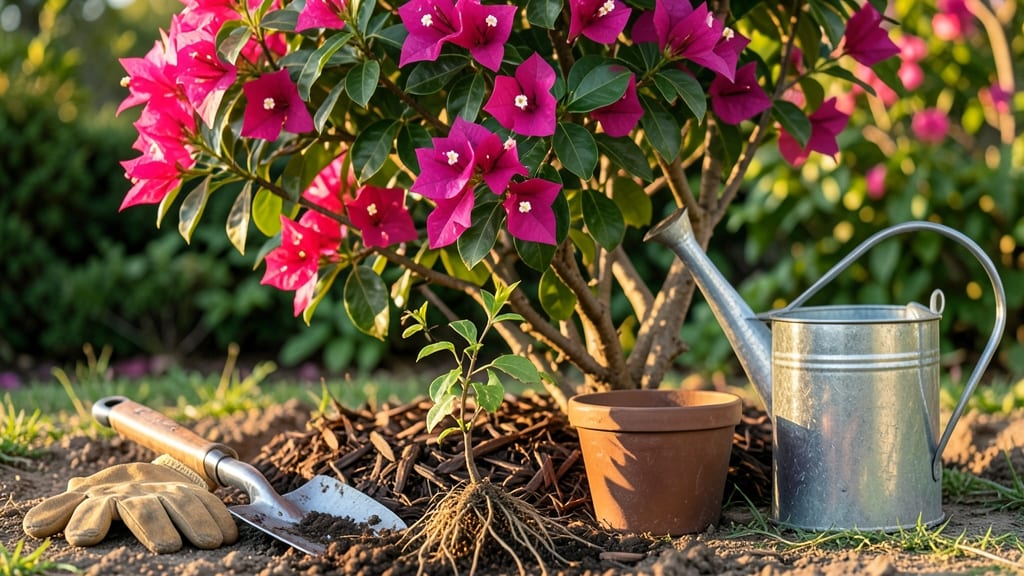
Planting bougainvillea in Texas at the wrong time can mean the difference between a thriving 🌺 spectacle and a sad, frost-nipped failure—especially when those last freezes sneak in like a thief in the night.
If you’ve ever watched your bougainvillea’s vibrant blooms wilt under unexpected cold snaps or struggle to take root in scorching summer heat, you know timing is everything.
Texas’ diverse climate zones (from 8a to 10b) make this even trickier, but mastering the perfect window ensures your plant not only survives but explodes with color from spring to fall.
I’ve spent years growing bougainvillea across Texas’ heat zones, and what I’m about to share will help you avoid the most common mistakes—like planting too early in North Texas or waiting too long in the humid South.
Whether you’re in Dallas or the Rio Grande Valley, these heat-zone-specific tips will set you up for success.
Ready to transform your yard into a nonstop bougainvillea paraday? Let’s dive into the exact months, soil prep secrets, and post-planting care that’ll keep your 🌺 blooming like crazy all season long.
Best planting months for bougainvillea in Texas heat zones
Texas spans USDA Hardiness Zones 8a-11, and bougainvillea thrives in zones 9-11. However, with proper care, gardeners in 8a-8b can still grow it—just with extra winter protection.
The key to success? Planting at the right time to avoid late frosts and maximize root establishment before summer’s brutal heat arrives.
In South Texas (zones 9-11), you can plant bougainvillea year-round, but the best windows are spring (March-May) and fall (September-November). These periods offer warm soil and moderate humidity, reducing transplant shock.
Meanwhile, North Texas (zones 8a-8b) gardeners should wait until after the last frost date, typically mid-April to early May.
For container-grown bougainvillea, timing is slightly flexible—you can plant as early as February in South Texas or late March in North Texas, but ensure pots are well-draining and protected from cold snaps. Containers warm up faster than ground soil, giving you a slight edge in cooler months.
Here’s the golden rule: Plant when soil temperatures consistently stay above 60°F. Use a soil thermometer to check—this is your best indicator that roots will thrive. In East Texas (humid climates), aim for April planting to avoid fungal issues from excess moisture.
| Texas Region | USDA Zone | Best Planting Window | Avoid Planting Before | Key Consideration |
|---|---|---|---|---|
| South Texas (El Paso, San Antonio, Corpus Christi) | 9-11 | Year-round (best: March-May, Sept-Nov) | None (frost-free) | High heat tolerance; monitor for drought stress |
| Central Texas (Austin, Waco) | 8a-9a | April-May, Sept-Oct | March 15 (late frost risk) | Well-draining soil critical; mulch for winter |
| North Texas (Dallas, Fort Worth) | 8a-8b | May-June, Sept-Oct | April 15 (frost risk) | Container planting recommended; protect from cold |
| East Texas (Houston, Tyler) | 8a-9a | April-May, Sept-Oct | March 20 (humidity + frost risk) | Fungal disease risk; improve air circulation |
If you’re in North Texas, May-June planting is ideal—this gives roots time to establish before summer’s 100°F+ temperatures. However, if you plant in late summer (August-September), focus on deep watering and shade cloth to ease the transition into fall.
Bougainvillea planted in late fall (October-November) may struggle with winter dormancy, so prioritize mulching and container insulation.
Pro tip: Bougainvillea blooms best when stressed—so avoid overwatering or fertilizing right after planting. Let the plant adjust to its new home for 4-6 weeks before introducing
Signs your Texas soil is ready for bougainvillea planting
Before you dig that hole for your bougainvillea, your Texas soil needs to meet a few key conditions—or your plant will struggle from day one. Bougainvillea hates soggy roots, so well-draining soil is non-negotiable.
If your yard floods after heavy rain or stays damp for days, amend it with sand or gravel to improve drainage. I’ve seen too many gardeners skip this step and end up with root rot before their bougainvillea even blooms.
Next, check your soil temperature. Bougainvillea roots need soil that’s at least 60°F (15°C) to establish properly. In North Texas, this usually means waiting until mid-April, while South Texas gardeners can plant as early as February.
Use a soil thermometer—it’s a small investment that saves hours of guesswork.
🚨 CRITICAL WARNING: Planting in cold soil shocks roots and delays blooming. If your soil is still chilly, even after the last frost, your bougainvillea will sit there looking sad while its roots play the waiting game. Warm soil = happy roots = vibrant blooms.
Avoid These Soil Mistakes in Texas
- Cold soil (<60°F) stalls root growth—wait for warmth!
- Clay-heavy soil traps moisture—amend with sand or compost.
- Overwatered soil causes rot—bougainvillea prefers dry spells.
- No mulch = heat stress—always add 2-3 inches of mulch.
Another telltale sign your soil is ready? The ground should feel moist but not soggy when you squeeze it. If it crumbles easily, it’s perfect. If it sticks together like wet clay, mix in organic matter like compost or coconut coir.
I once planted a bougainvillea in pure Texas clay—it lasted two weeks before wilting. Lesson learned: Test your soil first!
Don’t forget to check your pH levels. Bougainvillea thrives in slightly acidic to neutral soil, ideally between 6.0 and 7.0. Grab a soil test kit (they’re cheap and easy to use) or send a sample to your local Texas A&M AgriLife Extension.
If your pH is off, adjust it with lime (to raise pH) or sulfur (to lower it). Balanced pH means better nutrient uptake and fewer yellow leaves.
Finally, give your planting spot at least 6 hours of direct sun. Bougainvillea is a sun-worshipper, and shade-loving spots will leave you with sparse blooms. If your yard is shady, consider container planting near a south-facing wall to maximize sunlight exposure.
Trust me, your bougainvillea will thank you with bold, continuous blooms all season long.
Once your soil passes these checks, it’s time to plant! But don’t rush—wait for a cloudy day to minimize transplant shock. Your bougainvillea will reward you with vibrant color and low-maintenance beauty if you get the soil right from the start. 🌺