
Companion Plants
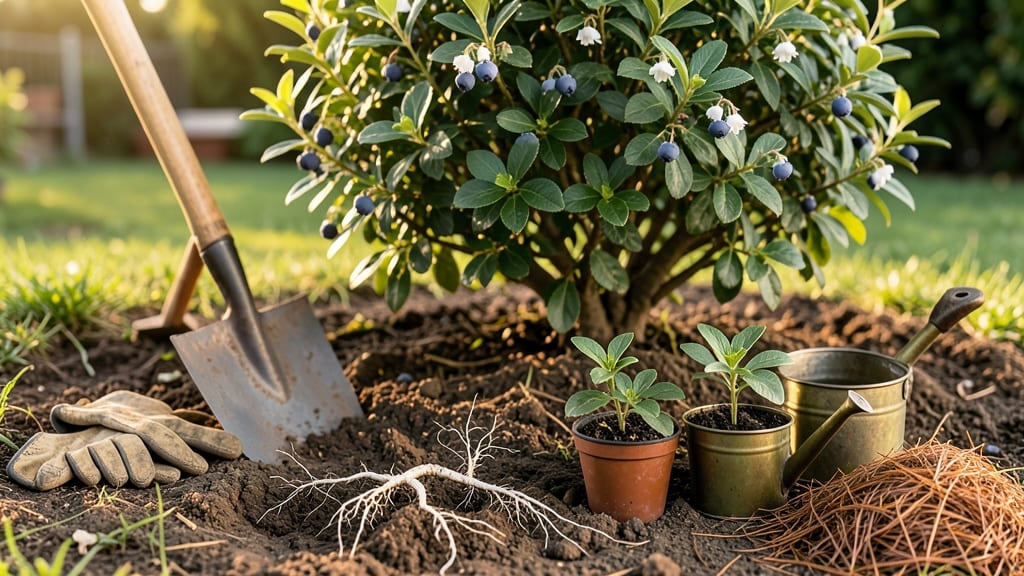
Timing your blueberry bush 🫐 planting in Pennsylvania isn’t just about the calendar—it’s about matching your region’s chill hours and frost patterns. Plant too early in Zone 5, and a late frost could wipe out your young shrubs; too late, and they won’t root deeply enough before winter’s bite.
The sweet spot? Late April through early June, when soil warms but danger of frost has passed.
But here’s the catch: Pennsylvania’s climate varies wildly from the Appalachian highlands to the Susquehanna Valley. In cooler northern zones, early spring planting gives bushes time to establish before summer heat, while southern areas might prefer fall planting to avoid scorching roots.
I’ll break down the exact windows for your hardiness zone—and why some gardeners swear by September plantings.
Beyond dates, success hinges on soil prep and microclimates. Urban gardens in Philadelphia face heat islands, while rural Erie deals with shorter growing seasons. We’ll cover how to adjust soil pH, mulch for winter protection, and even which blueberry varieties thrive in your neck of the woods.
Spoiler: ‘Patriot’ loves PA’s chill, but ‘Top Hat’ might be a better fit for warmer pockets.
Ready to plant with confidence? I’ll walk you through every step—from choosing the right month to post-planting care—so your 🫐 bushes burst with fruit next summer. Let’s get those roots in the ground the right way.
Best planting months for blueberries in Pennsylvania by hardiness Zone
Pennsylvania spans USDA hardiness zones 5-7, and your blueberry planting window shifts depending on where you live. In Zone 5 (northwest PA), aim for late April to early May—after the last frost—while Zone 7 (southern PA) gardeners can plant until mid-October.
The key is avoiding late-spring frosts that can damage tender new growth.
For bare-root blueberries, spring planting (April-May) gives roots time to establish before summer heat. If you prefer container-grown bushes, fall planting (September-October) works well in Zones 6-7, letting roots settle before winter.
Always check your local frost dates—Pittsburgh’s last frost averages April 15, while Philadelphia’s is April 5.
Soil temperature matters too. Roots need 40°F+ soil to thrive. Use a soil thermometer to confirm—cool, wet springs (like 2023’s) can delay planting. In Zone 5, wait until soil warms to 50°F+ before planting.
📌 PA Blueberry Planting Timeline by Zone
| Zone | Best Planting Window | Soil Prep Tip | Frost Risk |
|---|---|---|---|
| 5 (NW PA) | Late April–Early May | Add peat moss to lower pH to 4.5–5.5 | High (late frosts) |
| 6 (Central PA) | April–May or Sept–Oct | Mulch with pine needles | Moderate |
| 7 (SE PA) | March–April or Sept–Oct | Test pH before planting | Low (mild winters) |
🌱 Pro Tip: Container-grown bushes can handle fall planting in Zones 6–7.
In Zone 5, spring planting is safest—fall-planted bushes may not harden off before winter. For Zone 7, fall planting (September) gives roots time to establish before summer heat arrives. Always water deeply after planting to reduce transplant shock, especially in dry summers like 2020’s.
If you’re in Zone 6 (like Harrisburg), you can plant in both spring and fall. Just avoid planting after August 15—new growth won’t harden before winter. Use black plastic mulch in spring to warm soil faster and extend your planting window by 1–2 weeks.
For urban gardeners in Philadelphia or Pittsburgh, microclimates matter. A south-facing wall can add 2–3°F warmth, letting you plant 2 weeks earlier than the average frost date. Monitor your local Penn State Extension frost maps for real-time updates.
One common mistake? Planting too late in fall. In Zone 5, September-planted bushes may not root before first frost (Oct 15). To test readiness, dig a 6-inch hole—if soil is below 50°F, wait a week. Use row covers if frost threatens young plants.
After planting, mulch heavily (3–4 inches of pine straw) to insulate roots. In Zone 5, this can protect bushes through 20°F dips. Water deeply once a week for the first month to encourage root growth.
Avoid overwatering, which can suffocate roots in heavy clay soils common in PA.
For container growing, plant in 5-gallon pots with acidic potting mix. Containers warm faster in spring, so you can plant 2–3 weeks earlier than in-ground bushes. Just ensure pots have drainage holes—blueberries hate soggy roots.
Finally, label your bushes with the planting date. This helps track growth and adjust care. In Zone 7, fall-planted bushes may fruit 1 year earlier than spring-planted ones. Keep records to refine your timing each year!
How chill hours affect blueberry planting success in PA
Chill hours are the secret weapon for growing blueberries in Pennsylvania. These hours of cold winter temperatures (below 45°F) trigger flowering and fruiting. Southern PA’s milder winters (fewer chill hours) favor low-chill varieties, while northern PA’s colder winters (more chill hours) support traditional varieties. Get this wrong, and your bushes might bloom but produce no berries—or worse, fail to thrive entirely.
Pennsylvania spans USDA zones 5-7, but chill-hour needs vary dramatically. For example, Philadelphia (Zone 7a) averages 500-600 chill hours, while Erie (Zone 6b) sees 700-800 hours. Matching your blueberry variety to your region’s chill hours ensures strong growth and abundant harvests.
Skip this step, and you risk disappointment when your bushes bloom but set little to no fruit.
Here’s the key: Southern PA gardeners should prioritize low-chill varieties like 'Patriot' (400-600 hours) or 'Top Hat' (300-500 hours). Northern PA gardeners can grow classic high-chill varieties like 'Bluecrop' (600+ hours) or 'Jersey' (700+ hours).
Even a 100-hour difference can mean the difference between a bountiful harvest and a barren bush.
| Region | Avg. Chill Hours | Best Varieties | Planting Window |
|---|---|---|---|
| Southern PA (Zones 6b-7a) | 400-600 | Patriot, Top Hat, Premier | Late March - Early April |
| Central PA (Zones 5b-6a) | 600-700 | Bluecrop, Jersey, Duke | April - Early May |
| Northern PA (Zones 5a-5b) | 700-800+ | Bluecrop, Legacy, Chara | Late April - Early June |
If you’re in a transition zone (like the Poconos or Allegheny Mountains), consider planting a mix of varieties to hedge your bets. For example, a low-chill 'Patriot' alongside a high-chill 'Bluecrop' can ensure fruit production even if winters vary.
This strategy also extends your harvest season, giving you berries from early summer to late summer.
Timing matters just as much as variety selection. Plant low-chill varieties in late winter or early spring (February-March) to take full advantage of their shorter dormancy period. High-chill varieties, however, need to be planted in late spring (May-June) to avoid early-season frosts that could damage tender new growth.
Always check your local last frost date—Philadelphia’s is around April 15, while Pittsburgh’s is closer to April 22.
Pro tip: Use a chill-hour calculator from the Penn State Extension to pinpoint your exact chill-hour total. This tool accounts for microclimates (like urban heat islands or sheltered valleys) that can add or subtract chill hours from your official zone.
Once you know your chill hours, adjust your planting schedule accordingly—earlier for low-chill varieties and later for high-chill types.