
Plants
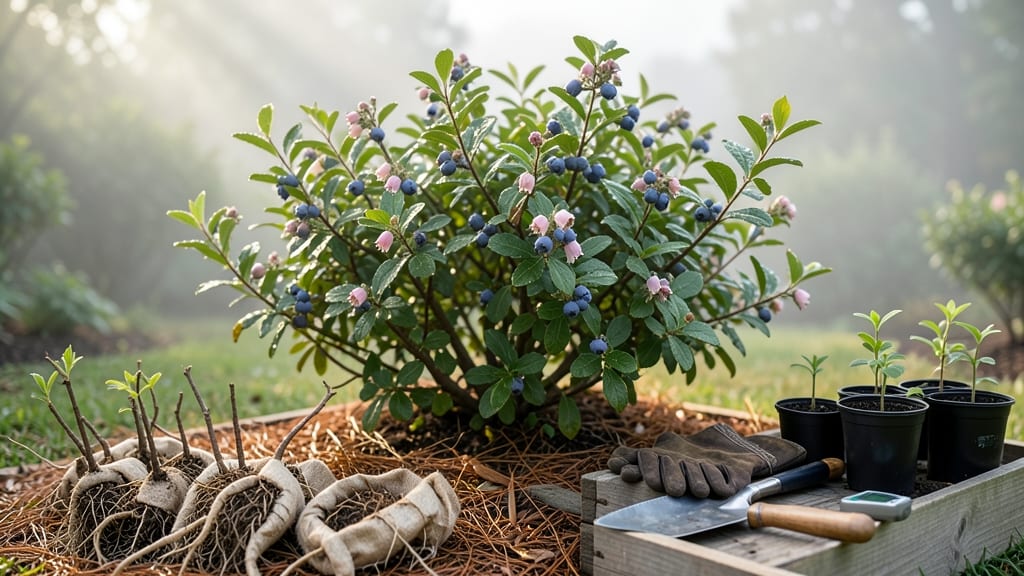
Planting your 🫐 blueberry bush at the wrong time in North Carolina’s 6a-8b zones can mean the difference between a thriving harvest and years of disappointment. The secret lies in understanding when soil temperatures drop below 50°F—because that’s when your blueberries start their best growth.
If you’ve ever wondered why some gardeners in your area get perfect crops while others struggle, it’s likely because they’re planting during the ideal window—either late fall or early spring. These are the two best times to get your bushes established before the heat of summer arrives.
In this guide, I’ll break down exactly when to plant—whether you’re working with bare-root or container-grown bushes—and how to prepare your soil for maximum success. No more guesswork, just data-backed timing for North Carolina’s unique climate.
Let’s get your blueberries off to the right start so you can enjoy that first harvest in May or June. The key is in the chill hours and soil prep—and I’ve got you covered.
Best planting months for blueberry bushes in NC (Zone 7a/8a)
North Carolina’s Zone 7a/8a climate creates a unique window for planting blueberry bushes, where timing directly impacts root establishment and fruit production. The ideal planting months are October through November (fall) and March through early April (spring), but soil temperature is your true guide—not just the calendar.
Fall planting is my top recommendation for NC gardeners because cooler soil temperatures (40-50°F) reduce transplant shock. Blueberries establish roots more easily when the ground isn’t baking hot, and they enter dormancy naturally before winter.
Spring planting works too, but you must get them in before bud break (typically by mid-April) to avoid stress from emerging growth.
Here’s the golden rule: Never plant when soil temps exceed 60°F. In NC’s humid subtropical climate, summer heat can fry young roots. Use a soil thermometer ($10 at garden centers) to check—40-50°F is perfect for root development.
Microclimates matter in NC. Coastal areas (like Wilmington) may have earlier last frosts (Feb 28), while mountain regions (like Asheville) can linger below freezing until April 15. Always check your local frost dates using the NC State Extension’s frost map before planting.
Bare-root plants (cheaper and widely available) should go in as soon as you receive them—they dry out fast. Container-grown bushes offer more flexibility but cost more. My trick? Soak bare-root plants in water for 2 hours before planting to rehydrate the roots.
🌱 NC Blueberry Planting Timeline
| Season | Ideal Planting Month | Soil Temp | Key Consideration |
|---|---|---|---|
| Fall | October–November | 40–50°F | Roots establish before winter; less transplant shock |
| Spring | March–Early April | 45–55°F | Plant before bud break; avoid summer heat stress |
| Late Spring | May | >60°F | Risky; only for container-grown plants with shade |
📌 Pro Tip: Mulch with pine straw or wood chips (2–3 inches) to regulate soil temp and retain moisture.
If you’re planting in Zone 8a (warmer southern NC), extend your fall window to December—just ensure no hard freezes are forecasted. For Zone 7a (mountain regions), aim for late September to early October to avoid early frosts.
Container-grown blueberries are more forgiving for late spring planting (May) but require daily shade cloth until roots establish. I’ve had success with this method in Raleigh’s heat, but it’s a gamble in drier inland areas like Fayetteville.
Test your soil’s pH (4.5–5.5) before planting—NC’s native soil is often too alkaline. Amend with sulfur or peat moss if needed. A quick fix? Plant in raised beds with pre-mixed acidic soil ($30–$50 per cubic yard).
After planting, water deeply 2–3 times per week for the first month, then taper to weekly. Blueberries hate soggy roots but need consistent moisture. In NC’s summer heat, mulch saves 30% more water by reducing evaporation.
Best planting months for blueberry bushes in NC (Zone 7a/8a)
North Carolina’s Zone 7a/8a climate gives you two prime windows to plant blueberry bushes: fall (October-November) or early spring (March-April). These timing choices aren’t random—they’re tied to soil temperatures and dormancy cycles that maximize root establishment.
Fall planting lets roots grow before winter, while spring planting avoids frost damage to emerging shoots.
For bare-root plants, aim to plant when soil temps drop to 40-50°F—ideal for fall. Container-grown bushes adapt better to spring planting but need consistent moisture until roots spread. NC’s humid subtropical climate means late spring plantings (after April 15) risk heat stress, so early is always better.
| Planting Window | Soil Temp | NC Microclimate Notes | Best For |
|---|---|---|---|
| Fall (Oct-Nov) | 40-50°F | Cooler mountain regions: Oct; Piedmont: Nov | Bare-root plants |
| Early Spring (Mar-Apr) | 50-60°F | Coastal areas: March; Inland: April | Container-grown bushes |
| Late Spring (May) | 60°F+ | Risk of heat stress; only for established pots | Emergency plantings |
Your local frost dates matter too—plant at least 6-8 weeks before your area’s first frost (typically mid-November in Zone 7a and late November in Zone 8a). Use the NC State Climate Office’s frost maps to pinpoint your exact window.
Pro tip: Mountain regions (like Asheville) can plant 2-3 weeks earlier than coastal areas (like Wilmington).
Blueberries thrive when planted in well-draining, acidic soil (pH 4.5-5.5). Test your soil’s pH before planting—NC’s native soils often need sulfur amendments to reach ideal levels. Mix in 2-3 inches of compost or peat moss during planting to give roots a nutrient boost right away.
Spacing is critical: 4-6 feet apart for standard varieties, 3-4 feet for dwarf types. Crowding leads to fungal diseases and reduced fruit quality—a common mistake in NC’s humid climate.
After planting, mulch heavily with pine straw or wood chips to retain moisture and suppress weeds, especially during NC’s hot summers.
Remember: Fall-planted bushes often bear fruit 1 year sooner than spring plantings. That’s because they establish roots during the cool, moist conditions of late fall and winter—perfect for NC’s 600-900 chill hours.
Whether you choose fall or spring, mark your calendar now to plant before April 15 for best results.