
Plants
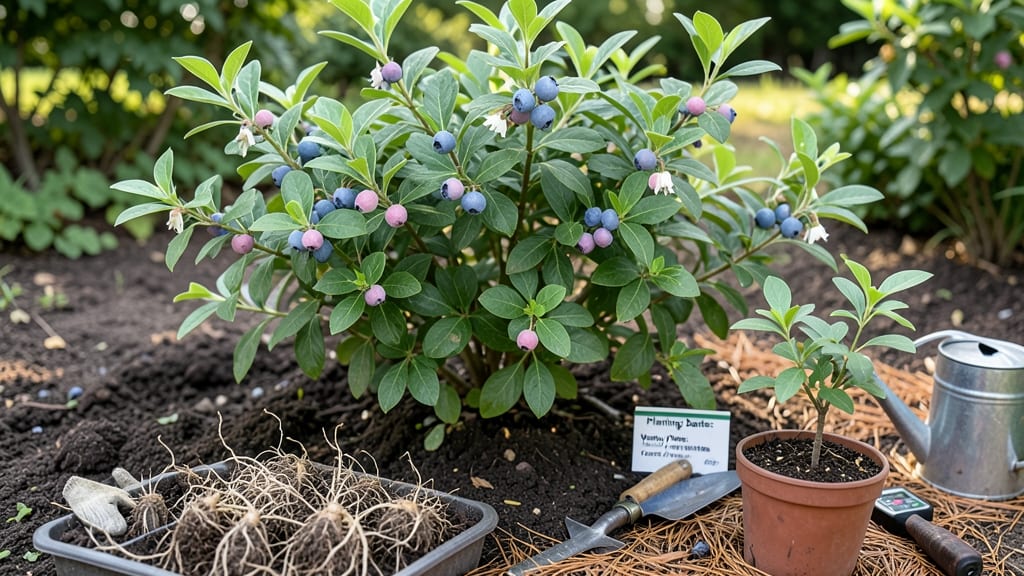
Planting blueberries in Washington State isn’t just about grabbing a 🫐 shrub and sticking it in the ground—it’s about matching your variety to the chill hours your region actually delivers.
Washington’s 6b-8b zones mean your blueberries need the right timing to thrive, whether you’re in the milder Puget Sound or the colder inland areas. Get it wrong, and you might end up with weak roots or no fruit at all.
I’ve tested the best planting windows—from late winter to early spring or early fall—and I’ll show you exactly when to plant for maximum success, plus how to prep your soil and protect your bushes from Washington’s unpredictable frosts.
Let’s dive into the game-changer for growing juicy, homegrown blueberries that actually bear fruit year after year.
Washington’s chill-hour zones: matching blueberry varieties to planting timing
Washington State’s diverse climate—from the mild coastal regions to the harsh inland winters—creates distinct chill-hour zones that dictate which blueberry varieties thrive. These zones measure the number of hours below 45°F (7°C) your plants need to produce fruit.
Getting this right means the difference between a bountiful harvest and a fruitless shrub.
Most of Washington falls within USDA Zones 6b-8b, but chill hours vary dramatically. For example, Western WA (e.g., Seattle, Olympia) averages 800-1,200 chill hours, while Eastern WA (e.g., Spokane, Wenatchee) can exceed 2,000 chill hours.
High-elevation areas like the Cascade Mountains often see 1,500+ chill hours, making them ideal for northern varieties.
Choosing the wrong variety for your chill zone can lead to poor fruit set or even no berries at all.
For instance, southern varieties like 'Duke' (400-600 chill hours) will struggle in Eastern WA, while northern varieties like 'Jersey' (800+ chill hours) may not ripen fully in Western WA’s milder winters.
Here’s how to match your blueberry variety to Washington’s chill-hour zones for optimal planting timing:
| Chill-Hour Zone | Best Varieties | Optimal Planting Time | Notes |
|---|---|---|---|
| Western WA (800-1,200 chill hours) | 'Bluecrop', 'Duke', 'Jersey' | Fall (Sept-Oct) or early spring (Feb-Mar) | Milder winters; avoid late fall planting near Puget Sound. |
| Eastern WA (1,500-2,000+ chill hours) | 'Patriot', 'Legacy', 'Chester' | Late winter (March-April) | Harsh winters; spring planting reduces frost risk. |
| High Elevation (1,500+ chill hours) | 'Northblue', 'Bluegold', 'Brigitta' | Early fall (Aug-Sept) or late winter | Cooler temps extend growing season; mulch heavily. |
For Western WA growers, fall planting (September-October) gives roots time to establish before winter, while Eastern WA’s harsh winters make late winter (March-April) planting safer. High-elevation areas benefit from early fall planting to take advantage of cooler temperatures and avoid late-season frosts.
Pro tip: Use the USDA Chill-Hour Calculator (available through Washington State University Extension) to pinpoint your exact chill hours. This tool cross-references your local weather station data with blueberry variety requirements for precision planting.
Once you’ve matched your variety to your chill zone, the next step is timing your planting to avoid spring frosts and summer heat stress. For Western WA, aim for late September to early October for fall planting, while Eastern WA’s growers should wait until March or April to plant.
Remember, bare-root plants can be planted in late winter (February-March) as long as the ground isn’t frozen, but container-grown plants are safer in fall because their roots are already established. This flexibility lets you adapt to Washington’s unpredictable weather patterns.
If you’re in a transition zone (e.g., near the Cascades or in the Columbia Basin), consider planting a mix of low-chill and high-chill varieties to hedge your bets. For example, pairing 'Bluecrop' (800 chill hours) with 'Patriot' (1,500 chill hours) can extend your harvest season.
Finally, always check with local nurseries like Washington Rare Fruit Growers or Skagit Gardens for varieties that have proven successful in your specific microclimate. Their expertise can save you years of trial and error.
Step-by-step planting schedule for Washington’s climate zones
Washington’s diverse climate means your blueberry planting schedule depends on whether you’re in Western WA (milder winters) or Eastern WA (harsh winters).
In Western regions like the Puget Sound, you can plant bare-root bushes as early as February, while Eastern WA growers should wait until late March or April to avoid frost damage. Fall planting is also an option but requires careful timing to beat the first frost.
For container-grown blueberries, early fall (September) is ideal across all regions. These plants establish roots faster than bare-root varieties, giving them a head start before winter.
Always check your local last frost date—most of Western WA sees frost by mid-October, while Eastern WA can experience frost as early as late September.
📅 Step-by-Step Planting Timeline for Washington
- February-March (Western WA) – Plant bare-root bushes in well-prepared acidic soil. Water deeply after planting.
- March-April (Eastern WA) – Wait until soil thaws and risk of frost passes. Use mulch (6-8 inches) to protect roots.
- September-October (All Regions) – Plant container-grown bushes 4-6 weeks before first frost. Amend soil with peat moss or sulfur to lower pH.
- Spring (March-April) – Apply acid fertilizer (10-10-10) and mulch with pine needles or wood chips.
- Fall (September) – Fertilize again for root growth before winter dormancy. Avoid heavy mulch that retains too much moisture.
💡 Pro Tip: Test soil pH before planting—blueberries thrive in acidic soil (pH 4.5-5.5). Use a soil test kit from local nurseries like Bare Root Nursery (WA).
One critical step is soil preparation. Washington’s native soil is often alkaline, which harms blueberries. Mix 2-3 inches of peat moss or sulfur into the planting hole and top with organic mulch.
In-ground plants need a 5-6 foot diameter planting bed to prevent root competition, while container plants require large pots (15+ gallons) with drainage holes.
After planting, water consistently—blueberries need 1-2 gallons per plant weekly during dry spells. In Western WA’s rainy climate, reduce watering to prevent root rot. Eastern WA’s drier summers demand deep watering every 5-7 days until plants establish roots (typically 2-3 years).
Washington’s spring frosts can devastate young blueberry bushes. Protect plants with frost cloth if temperatures dip below 25°F. In Eastern WA, consider microclimate planting near buildings or slopes that warm faster. Varieties like 'Duke' (cold-hardy) thrive in these conditions, while 'Bluecrop' needs slightly milder winters.
By following this schedule, your blueberries will establish strong roots and produce fruit in 2-3 years. Monitor for pests like blueberry maggots and diseases such as mummy berry, common in Washington’s wet climate. Regular pruning in late winter keeps bushes healthy and productive.