
Plants
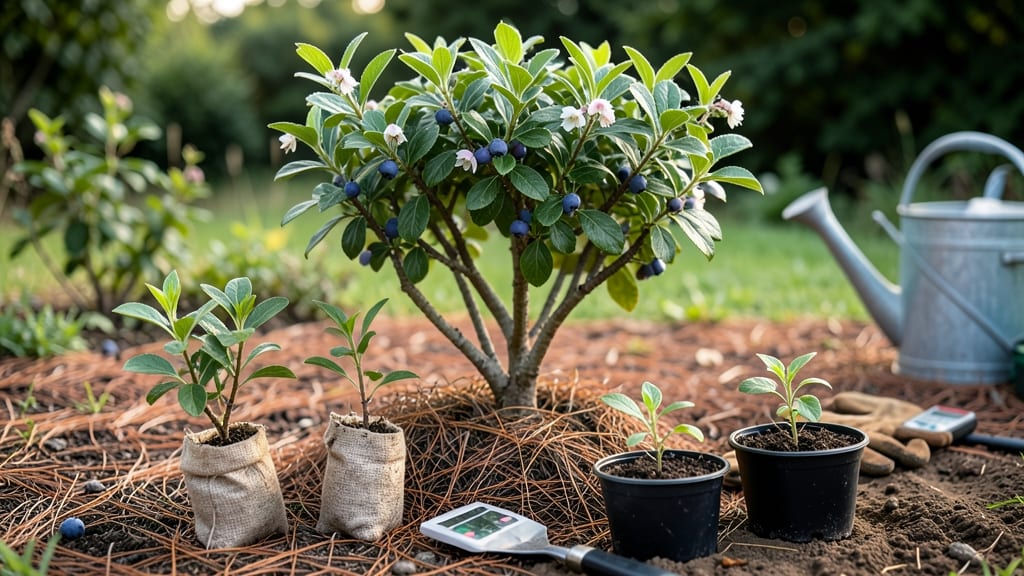
Planting blueberries in Colorado isn’t just about grabbing a bush and sticking it in the ground—it’s about timing it perfectly to beat the state’s unpredictable swings from frost to scorching sun. Whether you’re in Denver’s Zone 5b or the warmer Zone 7a of Grand Junction, getting those roots in the soil at the right moment makes the difference between a thriving 🫐 bush and a sad, struggling plant.
Most gardeners swear by late winter to early spring (February through April) as the gold standard, but Colorado’s high-altitude zones and microclimates throw a wrench into that rule.
Fall planting (September to October) can work in milder areas like Zone 7a, but it’s a gamble if frost sneaks in early. The key?
Matching your blueberry variety to your region’s chill-hour needs—because a bush that loves 600+ hours of winter chill won’t thank you if you plant it in a spot that only hits 400 hours.
Here’s what you’ll discover: the exact planting windows for your corner of Colorado, how to prep soil for those acid-loving roots, and which varieties (like 'Bluecrop' or 'Top Hat') will reward you with berries instead of disappointment. Let’s get those bushes in the ground the right way.
Skip the guesswork—because in Colorado, timing isn’t just important; it’s everything when it comes to growing blueberries that actually produce fruit. I’ll walk you through the steps to set yours up for success, no matter where you live in the Centennial State.
Best planting months in Colorado by region: Front Range vs. Western Slope
Colorado’s diverse climate means your blueberry planting timeline depends heavily on where you live. The Front Range (Denver, Boulder, Fort Collins) has cooler springs with later frost dates, while the Western Slope (Grand Junction, Durango) warms up faster but faces earlier summer droughts.
Understanding these differences will help you avoid frost damage or heat stress during critical root establishment.
For the Front Range, aim to plant between March and May. This window aligns with soil warming and reduces the risk of late frosts, which can be deadly for young roots.
In contrast, Western Slope gardeners should plant between April and June to capitalize on earlier soil temperatures and avoid summer dry spells.
Elevation also plays a role: High-altitude areas (6,000+ ft) like Colorado Springs may need to wait until late April or May, while lower elevations (4,000–5,000 ft) can start as early as February or March if using bare-root plants and protective mulch.
Here’s how to match your planting window to your region for maximum success:
| Region | Ideal Planting Window | Key Considerations | Soil Prep Tip |
|---|---|---|---|
| Front Range (Denver, Boulder) | March–May | Late frosts (avg. last frost: March 15), cooler soils | Use black plastic mulch to warm soil 2–3 weeks earlier |
| Western Slope (Grand Junction, Durango) | April–June | Warmer soils, earlier drought risk | Plant in morning shade for first 2 weeks |
| High Altitude (6,000+ ft) | Late April–May | Short growing season, 500+ chill hours needed | Choose dwarf varieties (e.g., 'Top Hat') |
| Fall Planting (Mild Zones 7a) | September–October | First frost after October 15, cooler soils | Water deeply before frost to hydrate roots |
If you’re in a transition zone (e.g., between Denver and Colorado Springs), err on the side of planting 1–2 weeks later than the Front Range recommendations. This buffer accounts for unpredictable mountain weather patterns that can bring unexpected frosts.
For container gardening, you can extend your planting window by 2–3 weeks in either direction. Containers warm up faster in spring and retain heat better in fall, making them ideal for urban gardeners in Zone 5b–6a areas like Aurora or Westminster.
Pro tip: Check your local Cooperative Extension office for microclimate data. For example, Denver’s downtown may be 5°F warmer than nearby suburbs, affecting soil temperatures by 1–2 weeks. This precision can mean the difference between thriving bushes and struggling starts.
Finally, always plant bare-root blueberries in Colorado—container-grown plants struggle with our alkaline soils. Amend your planting hole with peat moss or sulfur to lower pH to 4.5–5.5, and mulch heavily with pine needles to retain moisture and acidity.
With the right timing and prep, your blueberries will establish strong roots before summer’s heat sets in, setting you up for years of bountiful harvests. 🫐
How chill-hour requirements determine your blueberry variety choices
Colorado’s chill-hour requirements are the secret to growing thriving blueberry bushes. These hours—measured during winter dormancy—tell you which varieties will thrive in your specific microclimate. For example, Denver’s Zone 5b needs 600+ chill hours, while Grand Junction’s Zone 7a only requires 200+ hours.
Choosing the wrong variety can lead to poor flowering or no fruit at all.
Northern Colorado’s cooler climate favors varieties like Bluecrop or Patriot, which need 700+ chill hours. Southern Colorado’s milder winters suit Top Hat or Chester, which thrive with 300–500 hours. Always check the USDA Plant Hardiness Zone and chill-hour needs before purchasing plants.
Here’s how to match your location to the best varieties:
| Variety | Chill Hours Needed | Best Colorado Regions | Ripening Time |
|---|---|---|---|
| Bluecrop | 600–800 | Front Range (Denver, Boulder) | Mid-season |
| Jersey | 400–600 | Colorado Springs, Pueblo | Early-season |
| Top Hat | 200–300 | Western Slope (Grand Junction) | Late-season |
| Patriot | 700–900 | High-altitude areas (Fort Collins) | Mid-season |
If you’re unsure about your chill hours, use a chill-hour calculator (like the one from University of Georgia) or check local Cooperative Extension Service data.
For example, Fort Collins averages 800+ chill hours, while Albuquerque (just outside CO) gets only 300–400 hours, making it unsuitable for traditional varieties.
Pro tip: Plant multiple varieties to extend your harvest season. Pair a high-chill variety like Bluecrop with a low-chill option like Top Hat for a longer fruiting window. Just ensure they’re planted 10–15 feet apart to allow for proper pollination.
Finally, consider container growing if your yard lacks the right chill hours. Dwarf varieties like Top Hat thrive in pots and can be moved to a garage or shed during winter to accumulate chill hours artificially. Just remember to return them to sunlight once temperatures rise above 40°F.