
Plants
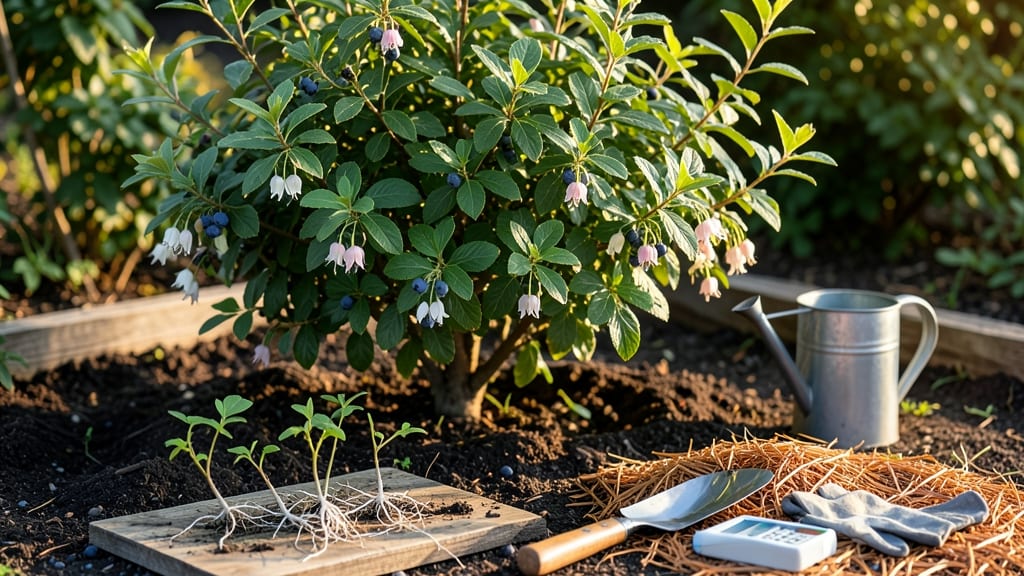
Planting a blueberry bush 🫐 in Mississippi at the wrong time means watching your investment wilt before it even takes root. Unlike northern climates, the Southern Heat Zone demands precision—too early, and frost zaps young roots; too late, and scorching heat stresses transplants.
For USDA Zone 8a, the ideal window stretches from late winter to early spring, when soil warms but danger of frost has passed. This means February to March is your sweet spot, aligning with Mississippi’s 210 frost-free days and giving plants a head start before summer’s intensity.
But here’s the catch: Southern Highbush varieties need cooler roots at planting, while rabbiteye types thrive with a little heat tolerance. We’ll break down exactly when to plant each, plus soil prep secrets to lock in that first harvest by May or June.
Skip the guesswork—mastering this schedule turns your backyard into a blueberry powerhouse. Let’s get those bushes in the ground the right way.
Best planting windows for blueberry bushes in Mississippi’s heat zones
Mississippi’s USDA Hardiness Zones 7a-8b offer an extended growing season, but blueberry bushes thrive best when planted during specific windows to avoid late spring frosts and summer heat stress.
The two ideal times are late winter/early spring and fall, with adjustments based on your exact location in the state.
For most of Mississippi, February through March is the best window for planting bare-root blueberries. This timing allows roots to establish before the hot summer months arrive. If you’re in southern Mississippi (Zone 8b), you can extend planting into early April without risking frost damage.
Fall planting is also viable in northern Mississippi (Zone 7a), specifically from October to early November. This gives bushes time to root before winter dormancy. However, avoid planting too late—new roots can’t tolerate freezing before establishing.
Here’s a quick breakdown of Mississippi’s frost-free periods to guide your timing:
| Zone | Last Frost Date | First Frost Date | Best Planting Window |
|---|---|---|---|
| 7a (Northern MS) | February 15 | November 15 | February–March or October–early November |
| 8a (Central MS) | February 1 | November 30 | February–April (fall planting risky) |
| 8b (Southern MS) | January 15 | December 15 | February–April (fall planting possible in early Oct) |
When planting in spring, aim for 4–6 weeks before the last frost to ensure roots establish before summer heat sets in. For fall planting, choose a window where 6–8 weeks remain frost-free—this gives roots time to harden before winter.
Mississippi’s sandy soils (common in the Delta) drain quickly, so watering deeply after planting is critical. In clay-heavy areas (like parts of the northern region), amend soil with organic matter to improve drainage and retain moisture.
For container-grown blueberries, timing is less critical, but spring planting still offers the best results. Containers heat up faster in summer, so partial afternoon shade may be needed to prevent stress.
Always plant on a cloudy day or in the late afternoon to reduce transplant shock. Water thoroughly at planting, then mulch heavily with pine straw or wood chips to retain moisture and acidify the soil over time.
If you miss the ideal windows, late fall (November) can still work in Zone 8b, but avoid planting in summer—the heat will stress young bushes and stunt growth.
Pro tip: Test your soil pH before planting—blueberries need acidic soil (4.5–5.5). Mississippi’s native soils are often alkaline, so amend with sulfur or peat moss if needed. 🌱
How to adjust planting timing for Mississippi’s microclimates and soil types
Mississippi’s diverse soil types and microclimates can drastically impact your blueberry bush planting success. The state’s sandy soils in the Delta region drain too quickly, while clay-heavy areas in the north retain too much moisture—both can stress young plants.
Adjusting your planting window and soil prep is key to thriving bushes.
For sandy soils, aim to plant in early spring (March) when temperatures stabilize. These soils warm quickly, giving roots a head start before summer heat arrives. Amend with peat moss or compost to improve moisture retention and acidity.
In contrast, clay-heavy soils benefit from fall planting (October-November) to allow winter rains to naturally break up compaction.
Mississippi’s alkaline soils (pH 6.5-7.5) are deadly for blueberries, which need acidic soil (pH 4.5-5.5). Test your soil 6-8 weeks before planting and amend with sulfur or pine needles. Skipping this step guarantees poor growth or death.
Urban gardeners in heat-prone cities like Jackson or Biloxi should plant container-grown bushes in late winter (February) to avoid summer’s intense heat. Use 5-gallon pots with acidic potting mix and place in partial shade during peak afternoon sun.
Rural areas with cooler microclimates (like the hills of Tupelo) can extend planting to early April without risk of frost damage.
To extend the growing season for late-season harvests, mulch heavily with pine straw or wood chips after planting. This keeps roots cool in summer and warm in winter. In USDA Zone 7a (northern MS), protect young bushes with frost cloth during unexpected late frosts (after March 15).
Zone 8b gardeners (southern MS) can push planting to mid-April with minimal risk.
For container gardening, Mississippi’s heat means frequent watering—every 3-5 days in summer. Use self-watering pots or bury ice cubes in the soil to gradually release moisture.
Dwarf varieties like ‘Top Hat’ thrive in containers but need morning sun exposure to prevent heat stress. Always choose acid-loving potting mixes labeled for blueberries.
Remember: Soil prep is 50% of success. Whether you’re planting in-ground or in containers, prioritize drainage and acidity. Mississippi’s unique growing conditions reward patience—adjust your schedule to match your local soil and climate, and you’ll enjoy berries for years. 🌱💧