
Plants
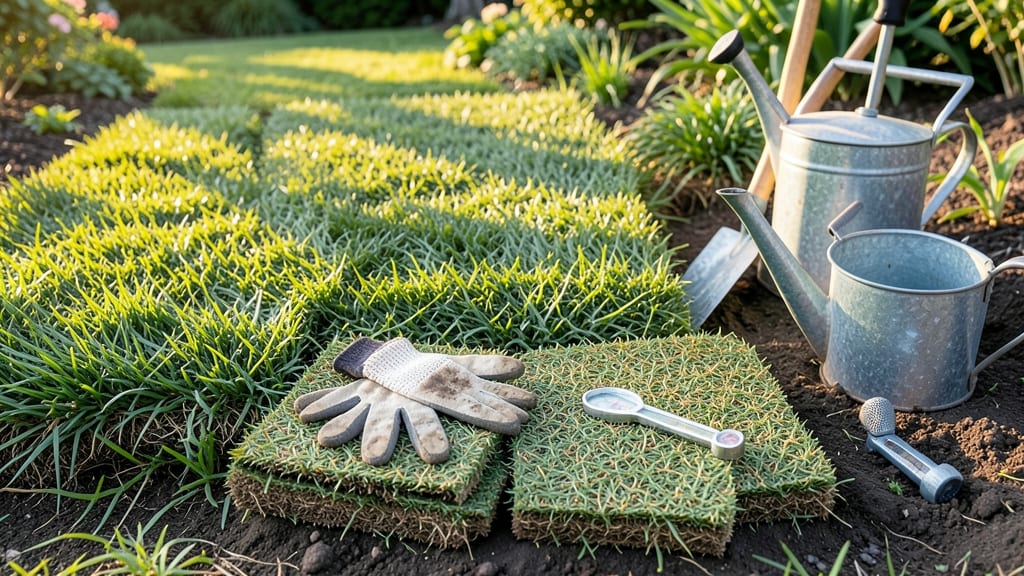
Planting Bermuda grass at the wrong time in Virginia can mean the difference between a lush, green lawn and months of bare soil—here’s the exact window to maximize success.
If you’ve ever struggled with patchy lawns or slow-growing grass, you’re not alone. Bermuda grass 🌱 thrives in Virginia’s warm climate, but timing is everything. Plant too early, and you’ll risk frost damage; too late, and your lawn may never fully establish before winter sets in.
The key to a fast, healthy Bermuda lawn lies in late spring to early summer—typically between April and June—when soil temperatures consistently stay above 65°F. This window ensures strong root growth before the heat of summer kicks in.
I’ll walk you through the best months for your specific Virginia zone, soil prep tips, and how to avoid common mistakes that can derail your lawn’s success. Let’s get your Bermuda grass off to the fastest start possible.
Best planting months for Bermuda grass in Virginia (by region)
Virginia’s climate varies dramatically from the cool mountains of the northwest to the humid coastal plains, so timing is everything for Bermuda grass. Plant too early, and you’ll risk frost damage; too late, and your lawn will struggle to establish before winter.
The ideal window is late spring to early summer, but exact months depend on your region.
Bermuda grass thrives in USDA zones 6a-8a, where soil temperatures must stay above 65°F (18°C) for germination. In Virginia, this typically means waiting until after the last frost date, which varies by zone.
Northern Virginia (Zone 6a) often waits until mid-April to May, while Southern Virginia (Zone 8a) can start as early as late March.
Central Virginia (Zone 7a) offers the most flexibility, with April through June being the safest bet. The key is soil temperature, not just calendar dates—use a soil thermometer to confirm it’s warmed to 80°F+ before planting. This ensures rapid germination and strong root development.
| Virginia Region | USDA Zone | Best Planting Months | Soil Temp. Threshold | Notes |
|---|---|---|---|---|
| Northern VA | 6a | Late April - Early June | 65°F+ (18°C) | Wait for last frost (avg. March 15) |
| Central VA | 7a | April - June | 70°F+ (21°C) | Flexible window; prioritize soil temp |
| Southern VA | 8a | March - May | 75°F+ (24°C) | Earlier start; heat tolerance |
| Coastal VA | 8a | April - June | 80°F+ (27°C) | Humidity-friendly; avoid soggy soil |
For fastest establishment, aim for June planting in most of Virginia. This gives your Bermuda grass 3-4 months of warm weather to develop deep roots before winter dormancy.
In Zone 8a (Southern VA), you can even push into early August, but be prepared for slower growth as temperatures drop.
If you’re overseeding an existing lawn, late spring (May) is ideal. This allows new grass to compete with weeds while taking advantage of longer daylight hours. Avoid planting in July or August unless you’re in the southernmost regions—the heat can stress young seedlings.
Pro tip: Check Virginia’s Virginia Cooperative Extension frost maps for your exact location. Their localized data can shift your planting window by 1-2 weeks compared to general zone guidelines. For example, Roanoke (Zone 7a) might be ready 2 weeks earlier than Richmond (Zone 7b).
Remember, Bermuda grass is a warm-season grass, meaning it goes dormant in winter. Planting too late risks weak roots that can’t survive Virginia’s first frost (avg. Nov 15). If you miss the spring window, consider sod instead of seed—it establishes faster and handles cooler temps better.
Once you’ve nailed the timing, the next critical step is soil preparation. Bermuda grass prefers <
Best planting months for Bermuda grass in Virginia (by region)
Virginia’s diverse climate—spanning USDA zones 6a to 8a—means your Bermuda grass planting window varies by region. In Northern Virginia (Zone 6a), aim for late May to early June when soil temperatures consistently hit 65°F+.
Meanwhile, Southern Virginia (Zone 8a) can start as early as mid-April to take full advantage of the longer growing season.
Timing is critical because Bermuda grass is a warm-season grass that thrives in heat. Planting too early—before the last frost—risks seed or sprig death from cold snaps, while waiting too long (after July) may stunt growth before winter dormancy.
For Central Virginia (Zone 7a), the ideal window is mid-May to early June, balancing frost risk and summer heat.
Here’s a quick breakdown of your Virginia region’s planting window to ensure a fast, lush establishment:
| Region | USDA Zone | Best Planting Months | Soil Temp Threshold |
|---|---|---|---|
| Northern VA | 6a | Late May–Early June | 65°F+ (18°C) |
| Central VA | 7a | Mid-May–Early June | 65°F+ (18°C) |
| Southern VA | 8a | Mid-April–Late May | 60°F+ (15°C) |
For fastest establishment, target June across all regions. This gives your Bermuda grass 8-10 weeks of warm weather to develop deep roots before summer heat peaks. Use a soil thermometer to confirm temperatures—65°F+ is non-negotiable for germination.
Pro tip: If you’re overseeding an existing lawn, late May is ideal to outcompete weeds before they take over. For new lawns, June planting ensures thicker coverage by fall, reducing winter browning. Avoid planting after July 15th—new growth won’t have enough time to harden off before frost.
Virginia’s humidity and heat can stress young Bermuda grass, so choose a shady afternoon for planting to minimize transplant shock. Water deeply immediately after planting to settle seeds or sprigs into the soil.