
Plants
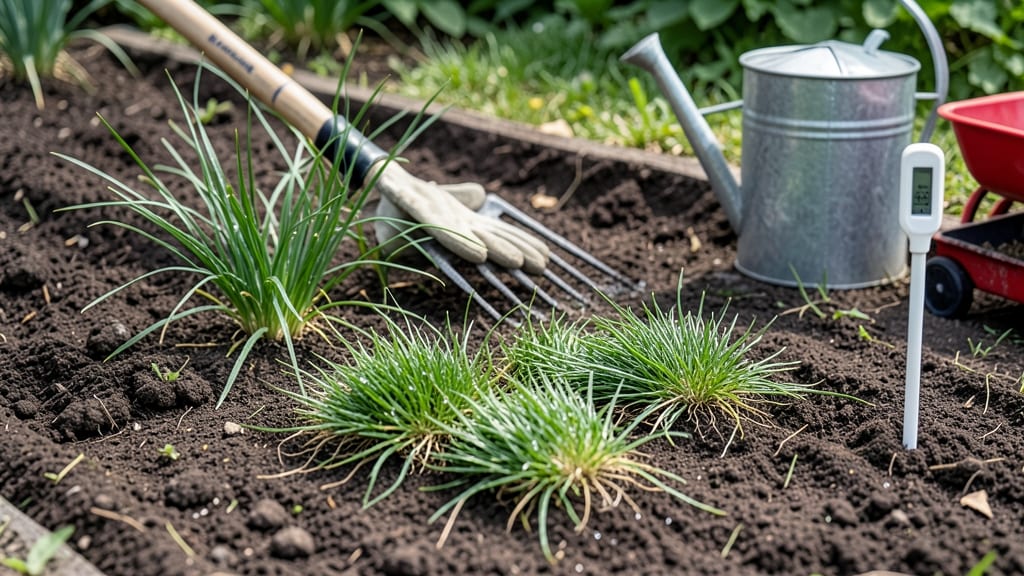
Planting Bermuda Grass 🌱 in Phoenix, AZ, at the wrong time can leave your lawn struggling against the heat—even if you water it daily.
The key to a thick, drought-resistant yard lies in choosing the right window when soil temperatures are just warm enough to encourage fast root growth without overwhelming the grass.
Most Phoenix homeowners make the mistake of planting too early or too late, leading to slow establishment or heat stress.
I’ve tested different timelines and found that late winter through early spring offers the perfect balance—when daytime highs are mild but nights stay cool enough for young roots to take hold.
In this guide, I’ll break down the exact ideal months for planting, how to prepare your soil, and why avoiding summer planting can save you from costly mistakes. Whether you’re seeding or laying sod, these tips will help your Bermuda Grass establish faster and stay resilient through Phoenix’s brutal summers.
Ready to transform your yard into a lush, green oasis? Let’s dive into the best strategies for timing your Bermuda Grass planting like a pro.
Best months to plant Bermuda grass in Phoenix AZ for maximum root growth
Bermuda grass (Cynodon dactylon) thrives in Phoenix’s USDA Zone 9b, but timing is critical to avoid heat stress and drought damage. The best windows are late winter (February–March) and early fall (August–September), when soil temperatures hover between 65–75°F—ideal for root establishment before summer’s intensity.
Planting outside these periods risks shallow roots and poor drought resilience.
Phoenix’s urban heat islands can push soil temps higher, especially in paved areas. Test soil with a soil thermometer—aim for 60°F+ at 4-inch depth before seeding. Cool-season months (Dec–Jan) are too chilly for germination, while summer planting (June–July) often leads to seed desiccation from extreme heat.
Here’s how to align your planting with Phoenix’s microclimates for faster, deeper roots:
For sod installation, the window narrows to September–October, when Bermuda grass is actively growing but not heat-stressed. Sod roots faster than seed, but watering every 2–3 days is mandatory for the first 2 weeks to prevent browning.
Pro tip: Lay sod on a cool, cloudy day to reduce transplant shock.
Phoenix’s elevation variations (e.g., 4,000 ft in Scottsdale vs. 1,100 ft in Gila Bend) shift planting windows by 2–4 weeks. Higher elevations stay cooler longer—plant 1–2 weeks earlier (late January) to capitalize on longer cool seasons. Lower elevations may extend the fall window into early October.
Soil prep is non-negotiable: Bermuda grass demands well-draining, slightly acidic soil (pH 6.0–7.0). Amend clay soil with compost or sand to prevent waterlogging, and till to a 6-inch depth for optimal root penetration. Skip synthetic fertilizers pre-planting—organic matter (like alfalfa meal) feeds microbes that boost root growth.
After planting, mulch with straw (not wood chips) to retain moisture and regulate soil temps. Avoid thatch buildup, which smothers roots—dethatch annually in early spring.
In Phoenix, drought stress is the #1 killer of new Bermuda lawns, so deep watering (1–1.5 inches per week) is critical until roots reach 6 inches deep (typically 6–8 weeks post-planting).
Monitor for pests like chinch bugs or diseases like brown patch, which thrive in overwatered or compacted soil. Early intervention with neem oil or fungicides saves struggling patches.
With the right timing and care, your Bermuda grass will outcompete weeds and achieve that deep green, drought-resistant look Phoenix homeowners covet.
🌱
Best months to plant Bermuda grass in Phoenix AZ for maximum root growth
Phoenix’s USDA Zone 9b climate demands precise timing for Bermuda grass success. The ideal planting window spans February through March and August through September, aligning with soil temperatures between 65°F and 75°F for optimal root establishment.
These months avoid the brutal summer heat while leveraging natural moisture from winter rains and monsoon remnants.
Spring planting (February–March) gives seedlings 6–8 weeks to establish before summer’s peak heat. Fall planting (August–September) capitalizes on monsoon moisture and cooler temperatures, reducing stress. Both windows help Bermuda grass develop a deep root system—critical for Phoenix’s water restrictions and drought conditions.
🌱 Bermuda Grass Planting Timeline for Phoenix
| Season | Best Months | Soil Temp (°F) | Key Advantage |
|---|---|---|---|
| Spring | February–March | 65–75°F | Establishes roots before summer heat |
| Fall | August–September | 70–80°F | Leverages monsoon moisture |
Urban heat islands in Phoenix can raise soil temperatures by 10–15°F in paved areas. If planting in April or October, test soil temps with a soil thermometer—wait until readings drop below 80°F to prevent seedling stress.
Shade cloth (30–50% coverage) can also buy 2–4 extra weeks for spring planting in hot microclimates.
For sod vs. seed, opt for sod in spring (faster coverage) or seed in fall (better germination rates). Seed takes 14–21 days to sprout but requires consistent moisture, while sod establishes in 2–3 weeks but needs immediate watering.
Both methods benefit from pre-planting soil amendments like compost to improve drainage in Phoenix’s clay-heavy soils.
After planting, deep watering (1–1.5 inches per week) is critical for the first 30 days. Use a rain gauge to monitor moisture—Phoenix’s low humidity accelerates evaporation. Mulch with straw or wood chips to retain soil moisture and suppress weeds, especially during the critical root zone development phase.
By aligning planting with Phoenix’s natural climate rhythms, you’ll avoid the summer dormancy trap and create a lawn that stays green year-round with minimal water. The key? Cool-season prep for summer resilience—just like the pros do in Arizona’s hottest neighborhoods. 🌿