
Companion Plants
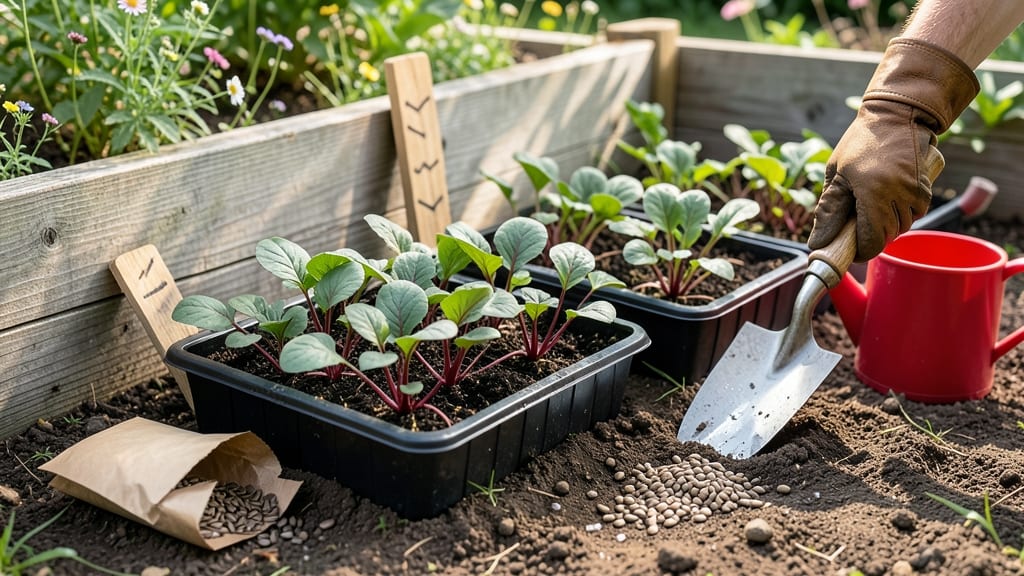
Planting beets in Utah isn’t just about timing—it’s about outsmarting the desert’s unpredictable swings from frost to scorching heat. If you’ve ever watched your 🍠 beet greens bolt in July or your roots turn woody before harvest, you know the stakes.
The key? Two precise planting windows—spring and fall—that align with Utah’s USDA Zones 5-7 and elevation quirks.
Most gardeners miss the March-April window when soil temps hit 45°F, but that’s exactly when cold-hardy varieties like Detroit Dark Red thrive. Skip it, and you’ll either wrestle with late frosts or face stunted growth.
Then comes the second chance: late summer’s August-September planting, a move that extends your harvest into crisp October nights—just before the first frost.
Here’s the game-changer: Utah’s high desert means microclimates matter. Salt Lake Valley’s urban heat islands can push planting dates 1-2 weeks earlier than Cache Valley’s cooler pockets.
I’ll break down the exact calendar for your region, plus how to prep soil for Utah’s alkaline conditions—so your beets grow sweet, not bitter.
Ready to stop guessing and start harvesting? Let’s dive into the exact months, variety picks, and pro tips that’ll turn your Utah garden into a beet bonanza—no more wasted seeds or disappointed harvests.
Utah’s best planting months for beets: exact dates by region
Utah’s microclimates create unique challenges for beet growers. The Salt Lake Valley, for example, has a longer frost-free season than Southern Utah’s high desert areas. Timing your plantings to match these variations ensures healthy, continuous harvests throughout the year.
Let’s break down the best months to plant beets in Utah’s most common regions, including soil temperature thresholds and frost considerations.
In Utah, spring planting is your best bet for early harvests. Aim to sow seeds 4-6 weeks before your last frost date, which typically falls around April 15 for most areas.
For Salt Lake City and the Wasatch Front, this means starting seeds indoors in late February or direct-sowing in early March. In Southern Utah, where frost lingers longer, wait until mid-to-late March to avoid frost damage.
🌱 Utah Beet Planting Schedule by Region
| Region | Spring Planting Window | Fall Planting Window | Soil Temp Threshold | Frost-Free Days |
|---|---|---|---|---|
| Salt Lake Valley | Early March - Mid-April | Late August - Early September | 45°F (7°C) minimum | 165 days |
| Cache Valley | Mid-March - Late April | Early September - Mid-October | 40°F (4°C) minimum | 150 days |
| Southern Utah (St. George) | Late March - Early May | Mid-September - Late October | 50°F (10°C) minimum | 200 days |
| Northern Utah (Logan) | Late February - Early April | Late August - Early September | 40°F (4°C) minimum | 140 days |
For a continuous harvest, practice succession planting every 2-3 weeks from March through May. This method ensures you always have young, tender beets ready to pick.
In Southern Utah, where summers are hot, focus on late summer plantings (August) to avoid bolting—when beets prematurely flower due to heat stress.
Fall planting is another great strategy for Utah gardeners. Start seeds in late August for a harvest before the first frost, which typically hits around October 15.
In higher elevations, like Cache Valley, you can even extend this window by using row covers to protect young plants from early frosts. Always choose cold-hardy varieties like Detroit Dark Red or Golden Beets for fall plantings.
Utah’s alkaline soils can also impact planting success. Before sowing, test your soil’s pH level—aim for a range of 6.0 to 7.0. If your soil is too alkaline (common in Utah), amend it with compost or sulfur to create ideal growing conditions.
This step is critical for preventing bolt-resistant varieties from struggling or developing bitter flavors.
Pro tip: Use straw mulch around beet plants to retain moisture and regulate soil temperature. This is especially helpful in Utah’s dry, high-desert climate, where soil can dry out quickly. Mulching also suppresses weeds, reducing competition for nutrients and water.
If you’re growing beets in containers or raised beds, start planting 2 weeks earlier than the recommended dates. These setups warm up faster in spring and provide better drainage, which is crucial for preventing rot in Utah’s clay-heavy soils.
Just ensure your containers are at least 12 inches deep to accommodate beet roots.
Finally, keep an eye on weather forecasts when planning your plantings. Utah’s unpredictable spring weather can bring late frosts even after the official last frost date. If a frost is forecasted, cover young seedlings with frost cloth or lightweight row covers to protect them until they’re established.
Utah’s best planting months for beets: exact dates by region
Utah’s high desert climate demands precise timing for growing beets successfully. The last average frost date in most Utah regions falls around April 15, while the first frost typically arrives by October 15.
This leaves a 165-day frost-free window, perfect for two planting cycles: spring (March-April) and late summer (August-September) for a fall harvest.
For Salt Lake Valley and Cache Valley, aim to plant beets 4-6 weeks before your last frost—so mid-March to early April. In Southern Utah, where nights stay cooler, you can push planting to late March or early April without risking frost damage.
Always check your local USDA Zone 5-7 frost dates for precise adjustments.
🌱 Key Tip: Use a soil thermometer to confirm soil temps are 40°F+ before planting—beets won’t sprout in cold soil.
Utah Beet Planting Timeline
| Region | Spring Planting Window | Fall Planting Window | Harvest Ready By |
|---|---|---|---|
| Salt Lake Valley | Mid-March to early April | Late August to early September | June 15, October 30 |
| Cache Valley | Late March to early April | Early August to mid-September | June 20, November 5 |
| Southern Utah | Early April | Mid-August to late September | July 1, November 10 |
Note: Adjust dates 1-2 weeks earlier for high-elevation areas (e.g., Logan, Park City).
For a continuous harvest, practice succession planting every 2-3 weeks from March through May, then again from August through September. This ensures you always have young, tender beets ready to pick. In Utah’s dry climate, mulch heavily with straw to retain moisture and prevent bolting during hot spells.
If you’re growing beets for their greens first, you can harvest the leaves 4-6 weeks after planting, even if the roots aren’t fully mature. This gives you an early harvest while still allowing the roots to grow for later use.
Remember: Beets are cold-hardy but won’t tolerate standing water. Utah’s alkaline soils often need amending with compost to improve drainage and nutrient availability. Test your soil before planting to avoid common pitfalls.