
Companion Plants
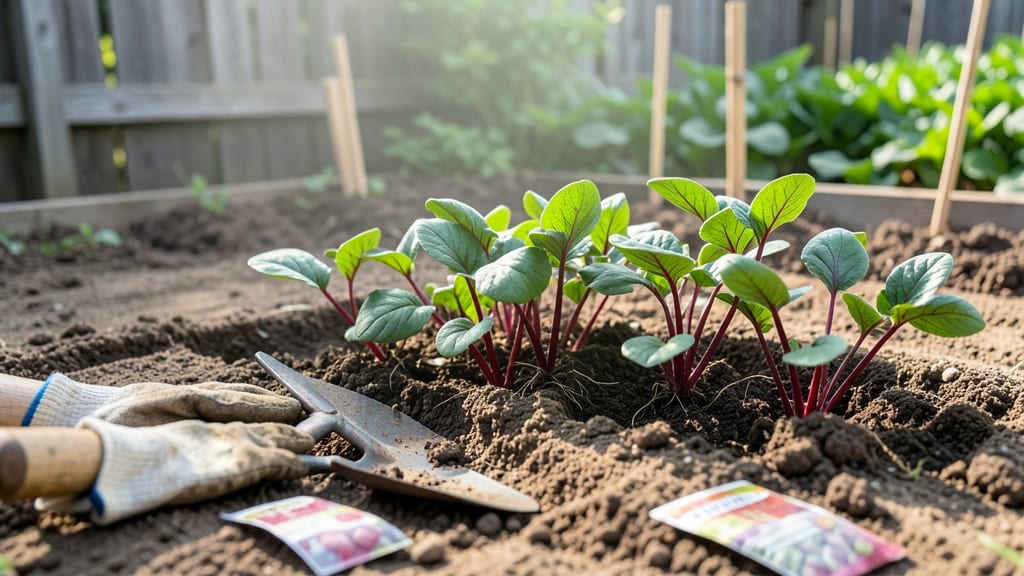
Planting beets in Kansas at the wrong time can turn your garden dreams into a bitter, woody mess—literally.
The key to sweet, tender 🍠 roots lies in understanding your region's frost dates and soil warmth, because timing these right means the difference between a harvest you'll brag about and one you'll toss in the compost.
Whether you're in the cooler 5b zones of northern Kansas or the slightly milder 7a areas of the south, knowing when to plant beets ensures they grow just right—no early bolting from heat or late-season frost damage.
Spring and fall both offer perfect windows, but getting them wrong can leave you scratching your head by midsummer.
I've spent years perfecting my Kansas beet schedule, and what I'm about to share will help you avoid the most common mistakes.
From soil temperature tricks to variety selection that actually thrives in your climate, you'll discover exactly when to pop those seeds in the ground for the sweetest harvests all season long.
Ready to grow beets that taste like they came from a farmers' market instead of the back of your garden? Let's dive into the spring and fall planting windows that work best for your Kansas plot—and why they make all the difference.
Best spring planting times for beets in Kansas (avoid bolting disasters)
Timing your beet planting in Kansas is critical—get it wrong, and you’ll end up with bolted greens or woody roots. The key is planting when soil temperatures hit 45-50°F but before summer heat sets in.
For most of Kansas (USDA zones 5b-7a), this means starting seeds 2-3 weeks before your last frost date, typically mid-March to late April.
Eastern Kansas (e.g., Topeka) has earlier last frost dates (March 15-April 1), so you can plant as early as late February under row covers.
Western Kansas (e.g., Garden City) waits until mid-April to avoid late frosts. Always check your local frost dates—they vary by 5-10 days across the state.
Beets thrive in cool weather but bolt (go to seed) when temperatures exceed 75°F. Plant your last spring batch by early May to harvest before summer heat stress kicks in. Succession planting every 2 weeks ensures a steady supply of tender roots.
Soil prep is just as important as timing. Amend your garden beds with compost to improve drainage—beets hate soggy soil. A pH of 6.0-7.0 is ideal, and adding aged manure boosts nutrients without burning seedlings.
For container growing, use deep pots (at least 12 inches deep) and plant seeds ½ inch deep, thinning to 3-4 inches apart once sprouts appear. Containers warm up faster, so start them 1-2 weeks later than in-ground plantings.
Watch for seedling emergence in 7-14 days. Thin carefully—crowded beets produce small, misshapen roots. Use sharp scissors to avoid disturbing nearby plants.
🌱 Kansas Spring Beet Planting Guide
| Region | Last Frost Date | Ideal Planting Window | Soil Temp Goal |
|---|---|---|---|
| Eastern KS (Topeka) | March 15-April 1 | Late Feb-Mid April | 45-50°F |
| Central KS (Wichita) | March 25-April 10 | Mid March-Early May | 45-50°F |
| Western KS (Garden City) | April 10-20 | Mid April-Mid May | 45-50°F |
💡 Pro Tip: Use a soil thermometer to confirm temps before planting—cold soil delays germination.
After thinning, mulch with straw or grass clippings to retain moisture and suppress weeds. Beets need consistent watering—1 inch per week—but avoid overhead watering to prevent leaf diseases. Drip irrigation is ideal for even moisture.
Harvest begins in 50-70 days, depending on variety. Pull roots when they’re 1-3 inches wide for maximum sweetness. Leave 2 inches of stem attached to prevent bleeding.
For a second spring crop, try heat-tolerant varieties like ‘Boltardy’ planted in late May. Use shade cloth to protect seedlings from intense afternoon sun during Kansas’ summer heat.
Fall planting beets in Kansas: how late can you go before frost ruins harvests?
Fall planting extends your beet harvest into crisp Kansas autumns, but timing is critical. Plant too late, and frost turns your tender roots to mush. Aim for 6-8 weeks before your first frost date—typically September 1 to October 15 across most of Kansas.
In USDA Zone 5b (northwest Kansas), start by September 1 to harvest before the October 15 average first frost. For Zone 7a (southeast Kansas), you can push it to mid-October with protection.
Soil temperatures should stay above 45°F for optimal germination. Use a soil thermometer to confirm—cool fall nights can slow growth. Amend your soil with compost to retain warmth and moisture.
Choose cold-hardy varieties like Detroit Dark Red or Golden for fall. These tolerate light frosts and sweeten after exposure to cool nights. Avoid heat-sensitive types like Chioggia for late-season planting.
Extend your harvest with row covers or cold frames to protect plants from early frosts. These can push your harvest window by 2-3 weeks, especially in Zone 6-7 areas. Just ensure good airflow to prevent rot.
Harvest before hard frosts (28°F or below) by pulling roots gently or cutting tops at soil level. Store in cool, humid conditions (32-35°F) for up to 3 months to enjoy homegrown beets through winter.