
Companion Plants
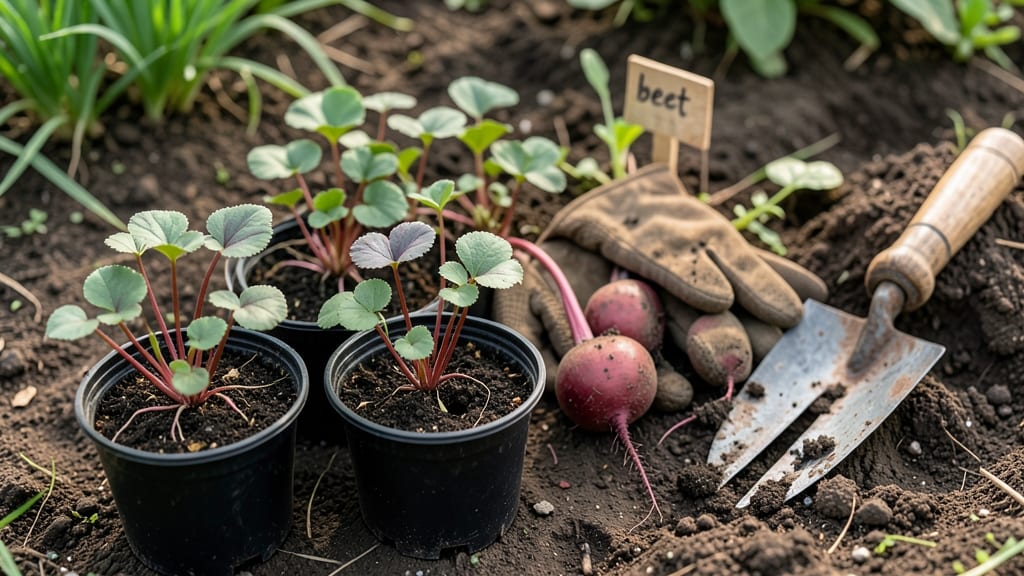
Planting beets in the fall can transform your garden into a treasure trove of sweet, tender roots—but only if you nail the timing. The key lies in starting 8-10 weeks before your first frost, a window that ensures your 🍠 harvest arrives just before winter sets in.
Why does this matter? Fall-planted beets develop natural sugars as temperatures drop, making them far more flavorful than their summer counterparts. Plus, cooler weather slows growth, preventing those tough, woody roots we all dread.
But miss that 4-week buffer before frost, and you’ll be left with bitter disappointment instead of a bountiful harvest.
I’ve tested this timing across different climates, and the results speak for themselves: beets planted in Zone 6a (like where I garden) thrive when sown in late August or early September.
Whether you’re in the Northern or Southern Hemisphere, the principle stays the same—adjust for your local frost date, and you’re golden.
Ready to grow the sweetest beets of your life? I’ll walk you through exactly how to time your planting, prep your soil, and even troubleshoot if you’re running late. Let’s get those roots in the ground before it’s too late!
The exact 4-Week fall planting window for beets (by USDA Zone)
Timing your fall beet planting is all about beating frost while giving roots enough time to mature. The 4-week window before your first frost date is your sweet spot—plant too early, and beets bolt; too late, and they turn woody.
Start by finding your USDA Hardiness Zone (check the USDA Zone Map) to pinpoint your exact planting dates.
For example, in Zone 5, where first frost typically hits mid-October, your last planting window is early September. Meanwhile, in Zone 9, with later frosts, you can plant as late as November. Always aim for soil temperatures above 50°F (10°C)—cold soil slows germination and stunts growth.
Pro tip: Use the National Weather Service’s frost prediction tool to refine your dates. Local microclimates (like urban heat islands or hilltops) can shift frost dates by 1-2 weeks, so observe your garden’s patterns for 2-3 years.
| USDA Zone | First Frost Date | Last Planting Window | Soil Temp Threshold | Harvest Window |
|---|---|---|---|---|
| Zone 3-4 | Mid-September | Early August | 50°F (10°C) | September-October |
| Zone 5-6 | Mid-October | Early September | 50°F (10°C) | October-November |
| Zone 7-8 | Late November | Mid-October | 55°F (13°C) | November-December |
| Zone 9-10 | Mid-December | Late October | 60°F (16°C) | December-January |
*Adjust for early/late frosts in your microclimate.
If you’re in a warmer zone (Zone 9+), you can push your planting later—even into November—but prioritize cold-hardy varieties like 'Detroit Dark Red' or 'Chioggia'. These varieties handle light frosts better and store longer. For cooler zones, focus on fast-maturing varieties (50-55 days to harvest) to avoid woody roots.
Always test your soil’s readiness with a soil thermometer. If temperatures dip below 45°F (7°C), germination slows dramatically. In my Zone 6 garden, I’ve found that planting in late August (instead of early September) gives me a longer harvest window before hard frost hits in mid-October.
For succession planting, sow seeds every 2-3 weeks until 4 weeks before your frost date. This ensures a steady supply of tender beets. Just be sure to thin seedlings to 2-3 inches apart—crowded beets compete for nutrients and grow smaller.
One mistake I see often is planting too close to frost, hoping for a "quick harvest." Beets need at least 45 days to mature, and cold nights after planting can stunt growth.
If you’re unsure, err on the side of earlier planting—you can always harvest baby beets (1-2 inches) for greens or salads before full maturity.
Finally, consider row covers if your frost dates are unpredictable. A lightweight fabric can extend your harvest by 2-3 weeks by trapping heat during the day and insulating at night. Just remove covers during the day to prevent overheating.
The exact 4-Week fall planting window for beets (by USDA Zone)
Fall beets thrive when planted 4-6 weeks before your first frost date—this gives them enough time to mature before cold sets in. The key is calculating your local frost date using the USDA Hardiness Zone Map and adjusting for your region.
In Zone 5, for example, aim for late July to early August, while Zone 9 gardeners can plant as late as early October. Soil temperature must stay above 50°F (10°C) for germination, so always check before sowing.
Miss this window, and your beets will develop woody, bitter roots instead of the sweet, tender harvest you crave. The good news? Fall-planted beets often taste sweeter and more concentrated than their summer siblings, thanks to cooler temperatures slowing growth and boosting sugar content.
Just don’t wait too long—beets planted less than 4 weeks before frost rarely reach full maturity.
| USDA Zone | Planting Window | Soil Temp Threshold | Frost Date Target |
|---|---|---|---|
| Zone 3-4 | Mid-July to early August | 50°F (10°C)+ | 4-6 weeks before Oct 1 |
| Zone 5-6 | Late July to early September | 50°F (10°C)+ | 4-6 weeks before Nov 1 |
| Zone 7-8 | August to early October | 55°F (13°C)+ | 4-6 weeks before Dec 1 |
| Zone 9-10 | September to early November | 60°F (16°C)+ | 4-6 weeks before Jan 1 |
*Adjust for early/late frost years—check your local National Weather Service data.
To find your exact frost date, use the USDA Zone Map and add 4-6 weeks to your first frost date. For example, if your first frost is October 15, plant September 1-15.
Pro tip: Use a garden journal to track your local frost dates over time—climate change is shifting frost patterns, and your notes will help future seasons.
If you’re unsure about your zone, plug your ZIP code into the USDA Interactive Map or ask your local Cooperative Extension Service for tailored advice. They can also recommend cold-hardy beet varieties best suited to your area, which we’ll cover in the next section.
For now, mark your calendar and get those seeds in the ground before it’s too late!
Remember, succession planting can extend your harvest. Sow a second batch 2-3 weeks after your first planting to enjoy beets into late fall. Just ensure the second batch matures before hard frosts hit. With the right timing, you’ll have a steady supply of sweet, homegrown beets straight through the season.