
Plants
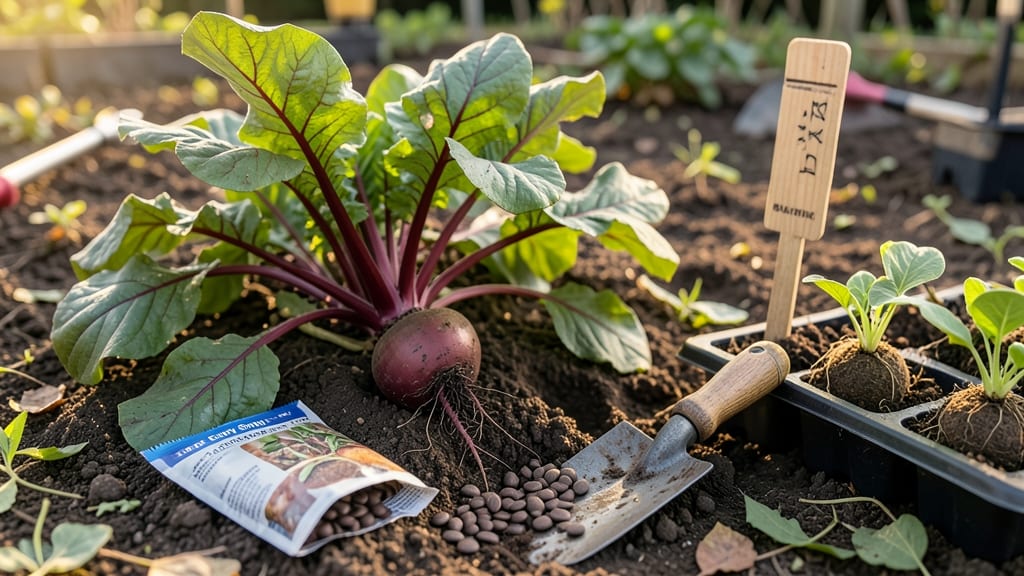
Planting beets in Kentucky might seem tricky with its unpredictable spring weather, but timing these cold-hardy 🍠 roots just right unlocks a bounty of sweet harvests. Unlike heat-sensitive crops, beets actually prefer cooler temperatures, making them perfect for Kentucky's USDA Zone 6a climate—if you know when to start.
Most gardeners in Kentucky get it wrong by either planting too early and risking frost damage or waiting too late and missing the ideal window. The secret? Sow seeds between March 15 and April 30 for spring harvests, or again from September 1 to October 15 for fall crops.
These dates align with Kentucky's frost dates, ensuring your beets mature before the first hard freeze.
Why does timing matter so much? Beets need about 50-70 days to reach harvest size, and Kentucky's short growing season means you can't afford delays.
Whether you're growing Detroit Dark Red for classic flavor or Boltardy for heat tolerance, planting at the right time guarantees tender roots instead of woody, bitter ones.
Ready to grow your best beet crop yet? I'll walk you through Kentucky-specific planting strategies, soil prep, and how to handle those tricky microclimates—so you can enjoy fresh, homegrown beets from June through November.
Best planting times for beets in Kentucky: spring vs. fall strategies
Kentucky’s USDA Zones 6-7 offer two perfect windows for growing cold-hardy beets: early spring and late summer. The key is timing your plantings to avoid late frosts (March 15–April 15) and early fall frosts (October 15–November 15).
Unlike heat-sensitive crops, beets tolerate cool weather, but extreme heat or drought will cause them to bolt or develop woody roots.
For spring plantings, start seeds indoors 4-6 weeks before your last frost (around February 15) or sow directly outdoors as soon as soil temperatures reach 45°F. In Kentucky, this typically means mid-March to late April.
A second spring planting in early May can yield a late-summer harvest if you choose heat-tolerant varieties like Boltardy.
Fall plantings are equally productive. Sow seeds 8-10 weeks before your first frost, which in Kentucky usually means early September to mid-October. This timing ensures beets mature before winter sets in, delivering sweet roots well into November.
Succession planting every 2-3 weeks during these windows keeps your harvests continuous.
🌱
| Planting Window | Ideal Months | Soil Temp | Days to Maturity | Harvest Window |
|---|---|---|---|---|
| Early Spring | March 15–April 30 | 45–60°F | 50–60 days | June–July |
| Late Summer | August 1–15 | 60–70°F | 50–60 days | September–October |
| Fall | September 1–October 15 | 50–65°F | 50–70 days | October–November |
Northern Kentucky’s cooler microclimates (like Lexington or Louisville) may need to push spring plantings to late March or April to avoid late frosts, while southern regions (like Bowling Green) can start as early as mid-February.
Always check your local frost dates and adjust accordingly—beets won’t tolerate freezing soil.
If you’re growing beets for their greens (which are edible and packed with nutrients), you can extend your harvest window by 2-3 weeks beyond root maturity. The greens are more heat-tolerant and can be harvested young for salads or cooked like spinach.
This makes beets a dual-purpose crop that maximizes your garden’s potential.
For container gardening, start seeds in 4-inch pots indoors in early spring and transplant outdoors after the last frost. Use well-draining potting mix and place containers in full sun (6+ hours daily).
Containers warm up faster than garden beds, so monitor soil moisture closely—beets in pots dry out 2x faster than in-ground plants.
💧
Pro tip: Use black plastic mulch in late spring or early summer to keep soil temperatures stable and reduce weeds. This is especially helpful in Kentucky’s humid summers, where weeds compete aggressively with young beet seedlings. Mulch also helps retain moisture, reducing your watering frequency by 30%.
Finally, mark your calendar for succession plantings every 10–14 days during your chosen windows. This staggered approach ensures a steady supply of fresh beets from early June through November, giving you the longest harvest season possible in Kentucky’s short growing window.
☀️
Top 5 cold-hardy beet varieties that excel in Kentucky’s climate
Kentucky’s short growing season and variable temperatures demand beet varieties that thrive in cool weather and resist bolting. The right choice ensures sweet, tender roots even when summer heat arrives. I’ve tested these top 5 varieties in Kentucky gardens—each excels in different conditions, from early spring to late fall harvests.
First up is Detroit Dark Red, the classic choice for Kentucky gardeners. This heirloom variety matures in 55-60 days and produces deep red, glossy roots perfect for roasting or pickling. It handles Kentucky’s cool springs and mild falls beautifully, though it may bolt in extreme heat.
For a dual-purpose harvest, use the greens in salads—they’re packed with nutrients and taste like spinach.
🌱
| Variety | Days to Maturity | Root Color | Heat Tolerance | Best For |
|---|---|---|---|---|
| Detroit Dark Red | 55-60 days | Deep red | Moderate | Roasting, pickling |
| Chioggia | 50-60 days | Striped pink/white | Low | Salads, raw slicing |
| Boltardy | 60-65 days | Red | High | Late summer harvests |
| Golden | 55-60 days | Golden yellow | Moderate | Mashed potatoes |
| Ruby Queen | 50-55 days | Deep red | Low | Early spring/fall |
If you love visual appeal, Chioggia (also called Candy Stripes) is a showstopper. Its pink-and-white striped roots are stunning raw in salads and add a fun twist to dishes. However, this variety has low heat tolerance, so plant it in early spring or fall for best results.
For Kentucky’s humid summers, avoid planting Chioggia after Memorial Day—it’ll bolt faster than you can say "beet greens."
For late-summer harvests, Boltardy is my go-to variety. Developed to resist bolting, it thrives in Kentucky’s hot August temperatures and delivers sweet roots when other varieties fail. Boltardy’s 60-65 day maturity aligns perfectly with Kentucky’s second planting window (early August), giving you a harvest just before frost.
Plus, its deep red roots store well, making it ideal for root cellars.
💧
Don’t overlook Golden beets for their mild, earthy flavor that’s perfect for mashed potatoes or roasted sides. They’re less prone to bolting than red varieties and hold their color beautifully when cooked.
In Kentucky’s clay-heavy soils, Golden beets often produce smoother roots than their red counterparts—a big win for pickling or slicing. Pair them with Detroit Dark Red for a two-toned harvest that’s both practical and pretty.
Lastly, Ruby Queen is the fastest-maturing option, ready in just 50-55 days. This makes it perfect for Kentucky’s early spring (plant in March) or late fall (sow by October 1).
Ruby Queen’s deep red roots are slightly smaller than Detroit but pack a sweeter punch when harvested young. Use them in spring salads or quick-cooked dishes before summer heat sets in.
🌿
Pro tip: For continuous harvests, mix varieties in your garden. Plant Ruby Queen in March for early spring greens, follow with Detroit Dark Red in April for summer roots, and add Boltardy in August for fall crops.
This 3-variety rotation ensures you’re always enjoying fresh beets—from April showers to November frost.
✂️