
Plants
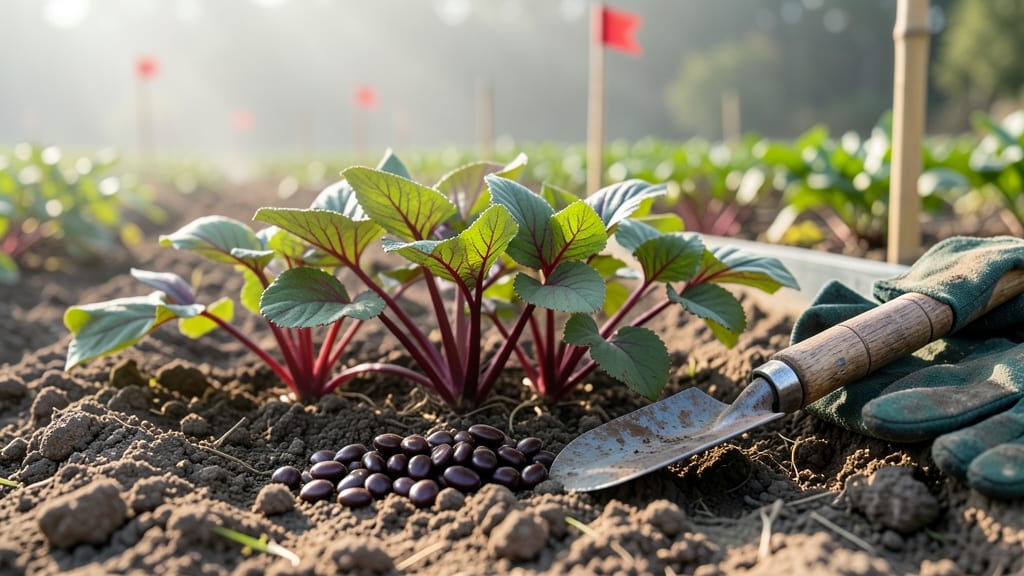
Timing your beet planting in South Carolina can mean the difference between a juicy, sweet harvest and bitter disappointment—especially when humidity and heat play tricks on your 🍠 crop.
The key isn’t just when you plant, but how you adapt to SC’s unique climate, where last frosts linger into March and summer heat arrives early.
If you’ve ever watched your beets bolt too soon or struggle in the sweltering July sun, you’re not alone. The secret lies in two critical planting windows: early spring (February-March) for cool-season varieties and late summer (August-September) to beat the worst heat.
But here’s the twist—SC’s microclimates mean your neighbor’s perfect timing might not work for you.
I’ve tested the best frost-resistant varieties and planting strategies over years in USDA Zone 7b-8a, and what I’m about to share will help you avoid common pitfalls.
Whether you’re a first-time gardener or a seasoned grower, these insights will give you the confidence to plant at the perfect moment for bold, flavorful beets every season.
From soil prep to companion planting, we’ll cover everything you need to know to maximize your yield—no guesswork, just proven results for South Carolina’s gardeners. Let’s get those seeds in the ground the right way.
Best planting times for beets in South Carolina by season
South Carolina’s USDA Zones 7b-8a offer two prime windows for growing beets: early spring and late summer. Timing is critical—plant too early, and frost will damage tender seedlings; too late, and bolting (premature flowering) ruins sweetness. Let’s break down the ideal planting months and strategies to maximize your harvest.
For spring plantings, start seeds indoors 6-8 weeks before your last frost date (typically mid-March in SC). Direct-sow outdoors in February or early March for baby beets or late March to April for full-sized roots. This gives them 60-70 days to mature before summer heat sets in.
Summer heat is beet’s enemy—temperatures above 80°F cause bolting. To beat the heat, opt for a late summer planting in August. Sow seeds 8-10 weeks before your first frost (usually mid-November) to harvest before cold snaps. Use shade cloth or mulch to keep soil cool.
Fall plantings are riskier in SC’s humid climate but work if you choose disease-resistant varieties and avoid wet soil. Aim for late August to early September sowings, spacing them 2-3 weeks apart for staggered harvests through October or November.
⚠️ CRITICAL TIMING TIP: Avoid planting beets when soil temperatures exceed 75°F. Use a soil thermometer to monitor—ideal germination temps are 50-70°F. In SC’s coastal regions, wait until late March for spring plantings due to slower warming.
Here’s how SC’s microclimates affect beet planting:
| Season | Planting Window (SC) | Key Considerations | Harvest Window |
|---|---|---|---|
| Spring | Feb 15 - Mar 15 (indoors) / Mar 20 - Apr 15 (outdoors) | Cool soil temps (<70°F), avoid frost. Use row covers for early sowings. | May - June |
| Summer | Aug 1 - Aug 15 | High heat risk; use shade cloth. Choose heat-tolerant varieties. | Sep - Oct |
| Fall | Aug 20 - Sep 15 | Humidity risk; ensure good drainage. Harvest before first frost. | Oct - Nov |
In Upstate SC (Zone 7b), where frosts linger longer, delay outdoor sowings until April 1. Meanwhile, Coastal SC (Zone 8a) gardeners can start as early as February 15 thanks to milder winters. Always check your local Cooperative Extension Service for last frost dates—they’re your best guide.
To protect your beets from SC’s humidity and pests, use drip irrigation to keep foliage dry (prevents leaf spot) and apply mulch (straw or grass clippings) to retain moisture. Avoid overhead watering, which can spread fungal diseases like powdery mildew.
Pro tip: Plant beets alongside onions or garlic—their strong scent deters pests like leaf miners and beetles. Avoid planting near pole beans, which compete for nutrients and attract similar pests.
For container growing in SC’s heat, choose smaller varieties like ‘Babybeat’ and use 5-gallon pots with well-draining mix. Keep containers in partial shade during peak afternoon sun (1 PM - 4 PM) to prevent bolting.
Remember: Beets are cool-season crops, but SC’s climate lets you squeeze in two harvests per year if you plan carefully. Start with spring sowings, then follow up with late summer plantings for a fall bounty.
Best planting times for beets in South Carolina by season
South Carolina’s USDA Zone 8a/b climate offers two prime windows for planting beets: early spring and late summer. Timing is critical to avoid heat stress or premature bolting, which can turn your sweet harvests bitter.
I’ve planted beets in SC for years, and these windows align perfectly with local frost patterns and humidity levels.
For spring planting, start seeds indoors or outdoors 4-6 weeks before your last frost date—typically mid-February to early March. This gives seedlings time to establish roots before soil temperatures rise.
In summer, sow seeds late August to early September to ensure harvests complete before first frost in mid-November.
| Season | Planting Window | Key Considerations | SC-Specific Tips |
|---|---|---|---|
| Spring | Mid-February to early March | Soil temps 50-70°F, avoid frost | Use row covers if nights dip below 30°F |
| Summer | Late August to early September | Soil temps below 80°F, partial shade | Mulch heavily to retain moisture |
| Fall | September (for late harvests) | 60+ days to frost | Choose cold-hardy varieties like 'Detroit Dark Red' |
In spring, beets thrive when soil temperatures stay between 50-70°F. Use a soil thermometer to monitor—if temps climb above 80°F, seedlings may bolt. For summer plantings, focus on late August to avoid the brutal September heat that can stress young plants.
South Carolina’s humidity and sandy soils require extra care. Always plant in well-draining soil amended with compost, and keep beds consistently moist (1-2 inches per week). I’ve found that drip irrigation works best to prevent fungal issues like leaf spot, which thrives in SC’s damp air.
For coastal regions (Zone 8a), push planting dates 1-2 weeks earlier to account for milder winters. Inland areas (Zone 8b) can extend fall plantings into early October, but monitor forecasts for early frosts. Always aim to harvest before first frost—beets store poorly after freezing.
Pro tip: Mark your calendar for Valentine’s Day (Feb 14) and Labor Day (early Sept) as rough guides for SC beet plantings. These dates align with local frost averages and give you a head start on planning.