
Plants
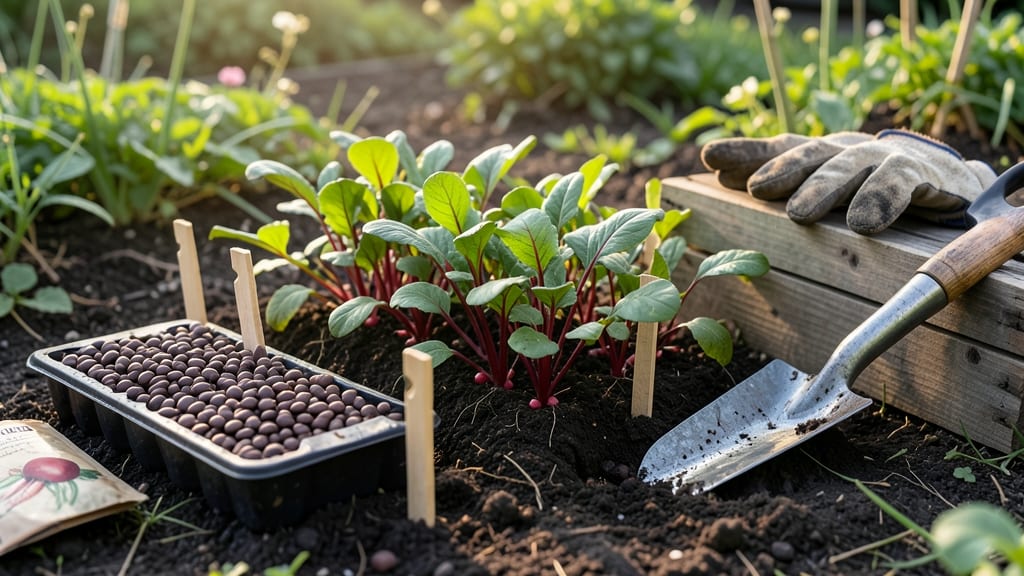
Planting beets in Illinois at the wrong time can mean the difference between a garden full of sweet, tender 🍠 roots and a sad, bolted mess. The key isn't just knowing when to plant—it's understanding how Illinois' USDA Zones 5-6 and unpredictable frost dates shift your timeline by weeks.
If you've ever stared at your seed packet wondering, "Why did my beets turn woody?" or "Why did they bolt before I could harvest?", the answer likely lies in timing.
Illinois gardeners have two main windows—early spring (March 15-April 30) and late summer (August 1-September 15)—but getting it wrong can ruin your harvest before it even starts.
I'll break down exactly when to plant in your specific county, whether you're in frost-prone Chicago or milder Springfield. You'll learn how to adjust for baby beets (ready in 45-50 days) versus storage varieties (needing 90+ days) and avoid common mistakes that turn Illinois gardens into beet graveyards.
Ready to grow beets that thrive? Let's dive into the frost-free planting schedule that actually works for Illinois soil and climate.
Illinois beet planting calendar by USDA heat zones (5-9)
Illinois' USDA Zones 5-9 create dramatic differences in beet planting success. Northern Illinois (Zone 5) has a shorter frost-free season, while Southern Illinois (Zones 7-9) enjoys longer growing windows.
The key is aligning your planting with last frost dates (typically April 15 in Zone 5) and first frost dates (around October 15 in Zone 6).
For example, Chicago gardeners (Zone 5) must plant by April 30 to avoid frost damage, while Springfield (Zone 6) can extend planting to May 15. Southern Illinois (Zones 7-9) offers even more flexibility, but heat stress becomes a risk after June 15.
Understanding these zones helps you pick the right varieties and planting windows for your location.
Here's how to match your county's zone to the perfect beet planting schedule:
| USDA Zone | Northern Illinois (Zone 5) | Central Illinois (Zone 6) | Southern Illinois (Zones 7-9) |
|---|---|---|---|
| Early Spring Planting | March 15 - April 15 | March 1 - April 30 | February 15 - April 15 |
| Last Frost Date | April 15 | April 1 | March 15 |
| Late Summer Planting | August 1 - September 1 | August 1 - September 15 | July 15 - September 30 |
| First Frost Date | October 15 | October 15 | November 1 |
| Harvest Window | June 15 - July 31 | June 1 - August 15 | May 1 - September 15 |
If you're in Zone 5 (Chicago, Rockford), focus on early spring planting by April 15 and late summer planting by August 15. These dates ensure your beets mature before frost hits.
For Zone 6 (Springfield, Peoria), you have slightly more flexibility, but don't push it past May 15 for spring plantings.
Southern Illinois (Zones 7-9) offers the longest growing season, but heat becomes a factor after June 15. Plant heat-tolerant varieties like 'Detroit Dark Red' or 'Chioggia' if you're planting in July or August. These varieties handle the summer heat better than standard types.
Pro tip: Use row covers in early spring to extend your planting window by 2-3 weeks in colder zones. This protects young seedlings from late frosts and gives you an earlier harvest. Just remove covers once true leaves appear to prevent overheating.
For gardeners in Zone 5, I recommend starting seeds indoors 4-6 weeks before your last frost date (around March 1) to get a head start. This gives you stronger seedlings ready to transplant after the frost danger passes.
In warmer zones, direct sowing works well, but always monitor soil temperatures—beets need 50°F+ soil to germinate properly.
Remember, Illinois' unpredictable weather means you should always have a backup planting plan. If early spring is too cold, use black plastic mulch to warm the soil and create a microclimate for faster germination.
This trick works especially well in Zone 5 where spring can be slow to warm up.
How to adjust planting dates for baby vs. storage beets
Timing matters more than you think when growing beets in Illinois—especially if you're aiming for tender baby beets versus large storage roots. Baby beets mature in just 45-50 days, while storage varieties need 90+ days to reach their full potential.
Planting them at the same time? That’s a recipe for disappointment, especially in Illinois’ short growing season.
For baby beets, you have more flexibility. You can start them as late as May 15 in most of Illinois and still harvest before summer heat sets in.
But for storage beets, you must plant earlier—think March 15-April 15—to avoid woody roots or bolting before frost hits in October.
Succession planting is your secret weapon in Illinois. By staggering plantings every 2-3 weeks from March to May, you can enjoy a continuous harvest of baby beets all summer long.
For storage beets, focus on one main planting in early spring and a smaller fall planting by August 1 to beat the first frost.
Here’s the key: Baby beets thrive in cooler weather and can handle late starts, while storage beets need a long, uninterrupted growing season. If you’re in Northern Illinois (Zone 5), prioritize early spring plantings.
Gardeners in Southern Illinois (Zones 7-9) have a bit more wiggle room for late summer starts.
Pro tip: Use row covers or cold frames for early spring plantings in Zone 5 to extend your growing season by 2-3 weeks. This gives storage beets the head start they need to mature before frost.
For fall plantings, aim to harvest storage beets before October 15 in most of Illinois. Baby beets, however, can often survive light frosts and may even taste sweeter after a 20-30°F chill. This makes them perfect for late-season harvests.
Don’t forget: Soil temperature is just as critical as air temperature. Beets won’t germinate well in cold soil—wait until it reaches 50°F before planting. Use a soil thermometer to check, especially in early spring when Illinois soil can still be chilly.
Best for storage beets—plant when soil reaches 50°F.
Ideal for baby beets—harvest in 45-50 days.
Second chance for storage beets—harvest before October 15 frost.
If you’re new to succession planting, start small: sow half your seeds in early spring and the other half in late spring. This way, you’ll have a steady supply of baby beets all summer without overwhelming your garden.
Remember, Illinois’ unpredictable weather means flexibility is key. Keep an eye on your local frost dates and adjust your planting schedule accordingly. With the right timing, you’ll enjoy fresh beets from June through October—no bitter surprises included.
🌱🍠