
Plants
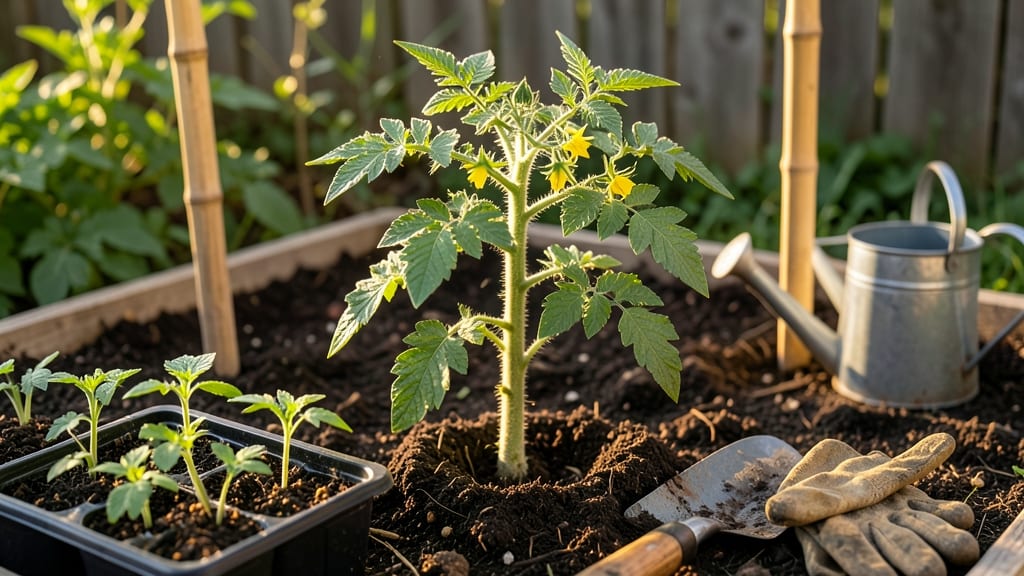
Planting tomatoes in Georgia at the wrong time can mean the difference between a bountiful harvest and wasted effort. Whether you're in the cooler 7b zones of the north or the warmer 8b regions near Savannah, getting the timing right is everything for your 🍅 plants.
Most gardeners in Georgia know the general rule: wait until after the last frost, which typically hits around mid-March. But with Georgia's diverse climate zones, that's not always enough.
The best time to plant actually depends on whether you're aiming for a spring harvest or a fall crop, and how you plan to protect your plants from the state's intense summer heat.
In this guide, I'll break down the exact planting windows for your county, including when to start seeds indoors and when to transplant outdoors. You'll also discover how to adjust your schedule based on soil temperature, humidity, and even the type of tomato varieties you're growing.
Let's dive into the perfect timing for your Georgia tomato garden—so you can enjoy homegrown tomatoes from June through October without the guesswork. Whether you're a first-time gardener or a seasoned pro, these tips will help you maximize your yield and beat the heat.
Georgia’s frost-free dates by USDA hardiness zones: your county’s exact planting window
Georgia’s USDA Hardiness Zones 6a–8b create dramatic differences in frost-free dates—some counties like Savannah (Zone 8a) can plant tomatoes as early as mid-February, while Blairsville (Zone 7a) waits until mid-April. These variations mean your last frost date is the single most important factor for timing.
To find your exact date, check the NOAA Climate Data for your county or use the University of Georgia Extension’s frost maps. For example, Athens (Zone 7b) typically sees its last frost around March 15, while Valdosta (Zone 8b) averages February 28.
Planting 4–6 weeks after your last frost ensures seedlings survive.
Here’s how to use these dates: Wait until soil temperatures hit 60°F (test with a soil thermometer) and nighttime temps stay above 50°F. In northern Georgia (Zones 6a–7a), this often means waiting until mid-April, while southern zones (7b–8b) can start as early as late February.
For northern Georgia gardeners, starting seeds indoors in late February (6–8 weeks before transplanting) gives you a head start. Use grow lights to prevent leggy seedlings, and harden them off for 7–10 days before moving outdoors.
In southern zones, you can direct-sow seeds 2–3 weeks before your last frost date.
Missed the spring window? No problem! Georgia’s long growing season allows for a fall planting too. Aim for late July to early August so tomatoes mature before the first frost (typically November 15). Choose determinate varieties (like Celebrity or Roma) for faster harvests in shorter seasons.
Pro tip: Use black plastic mulch to warm soil faster in spring or straw mulch to retain moisture in summer. This extends your planting window by 1–2 weeks in both directions. Just remove mulch before fall harvests to avoid soil-borne diseases.
Remember, tomatoes hate cold soil. If you plant too early, roots struggle to absorb nutrients, leading to stunted growth. Always check soil temps—below 55°F slows germination dramatically. For container gardening, use heat mats to keep roots warm if your zone runs late.
🌱
Tomato variety planting schedule: heat-tolerant vs. early-maturing types for Georgia’s climate
Georgia’s long, hot summers and short growing season demand smart tomato variety choices. Early-maturing varieties like ‘Celebrity’ or ‘Early Girl’ are my go-tos for spring plantings—they ripen in 60-70 days before summer’s brutal heat peaks.
For fall harvests, heat-tolerant types such as ‘Solar Fire’ or ‘Heatmaster’ thrive in late July plantings, producing fruit until first frost.
Timing starts indoors: sow seeds 6-8 weeks before your last frost date. In Zone 7b (e.g., Athens), that’s mid-January for spring transplants; in Zone 8b (e.g., Savannah), wait until late February. Transplant outdoors only after soil hits 60°F and nighttime temps stay above 50°F.
| Variety Type | Best Planting Window | Days to Maturity | Georgia-Specific Notes |
|---|---|---|---|
| Early-Maturing (Spring) | Mid-March to early April (transplant) | 60-70 days | Best for Zones 7b-8a; avoid transplant shock with shade cloth. |
| Heat-Tolerant (Summer/Fall) | Late July to early August | 75-90 days | Thrive in Zone 8b; mulch with straw to retain moisture. |
| Cherry Tomatoes (Staggered) | April + August (two plantings) | 55-65 days | Produce continuously; trellis to improve airflow. |
Staggering plantings is key to extending harvests. For example, plant ‘Better Boy’ in mid-April for early summer fruit, then add ‘Arkansas Traveler’ in late July for fall. This two-phase approach ensures tomatoes when grocery store options dwindle. Just remember: fall-planted tomatoes need faster-maturing varieties to beat frost.
Georgia’s humidity also affects timing. Heirloom varieties like ‘Brandywine’ need longer growing seasons (85+ days) and are best suited for Zone 8b spring plantings. In contrast, hybrids such as ‘Mountain Merit’ tolerate heat better and mature in 70 days, making them ideal for Zone 7b gardens with shorter seasons.
Don’t overlook cherry tomatoes—they’re the secret to year-round success. Plant ‘Sweet 100’ in April and again in August for a two-month harvest window. Their compact size also makes them perfect for container gardening in urban Atlanta areas with limited space.
Pro tip: Label your plants with variety names and planting dates. This helps track which tomatoes need succession planting if early harvests finish before summer’s end. And always save seeds from your best performers—Georgia’s heat can turn store-bought seeds into unreliable performers over time.