
Plants
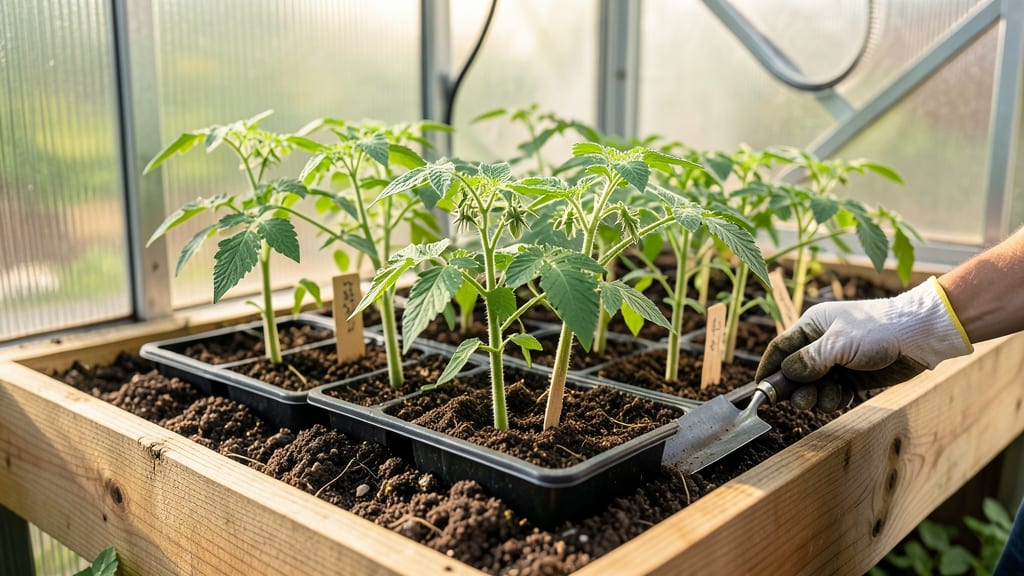
Planting tomato plants in a greenhouse at the wrong time can turn your 🍅 dreams into disappointment—especially when frost sneaks in and steals your seedlings before they even get a chance to grow.
The key isn’t just following a calendar; it’s understanding how your greenhouse’s microclimate creates a head start compared to outdoor planting.
Most gardeners wait until after the last frost to plant tomatoes outside, but a greenhouse changes everything. You can start 6-8 weeks earlier, giving your plants a massive advantage.
Whether you’re working with seeds or transplants, timing matters more than you think—especially if you’re in a cooler climate where frost lingers.
I’ve learned the hard way that rushing or waiting too long means smaller yields or even failed crops. The right moment depends on your zone, greenhouse setup, and whether you’re starting from seed or moving in young plants.
Let me break down exactly when to plant for maximum success—and how to tell when your seedlings are ready to transition outside.
From staggered planting strategies to heat management tips, we’ll cover everything you need to know. By the end, you’ll have a clear timeline tailored to your greenhouse’s unique conditions, so you can enjoy a longer harvest and fewer wasted efforts.
Optimal greenhouse planting timeline for tomatoes by climate zone
A greenhouse gives you a 3-4 week head start on the growing season, but timing still matters. Unlike outdoor planting, greenhouse tomatoes can start 6-8 weeks earlier than your last frost date.
The key is balancing soil warmth, seedling strength, and greenhouse microclimates that trap heat better than open air.
For most gardeners in USDA zones 5-7, this means starting seeds indoors by February 15-March 1—even if your greenhouse isn't ready yet. In zones 8-10, you can direct-sow greenhouse tomatoes as early as January 15 since frost is rarely a threat.
The greenhouse's ability to moderate temperatures lets you push these windows further.
Here's the critical rule: Plant when nighttime temps stay above 50°F (10°C). In a greenhouse, this often happens 2-3 weeks earlier than outdoors.
For example, in zone 6, I start seeds indoors on February 20 but move them into the greenhouse by March 25—just as outdoor temps hit 55°F (13°C).
Your greenhouse's orientation and ventilation also shift timing. A south-facing greenhouse with automatic vents can handle earlier planting than one facing east or west. I've seen cherry tomato varieties thrive when planted 14 days before standard outdoor dates in well-ventilated greenhouses.
| USDA Zone | Indoor Seed Start | Greenhouse Move-In | Outdoor Planting | Key Microclimate Note |
|---|---|---|---|---|
| Zones 5-6 | Feb 15-Mar 1 | Mar 25-Apr 10 | May 1-15 | Use row covers for 2 weeks post-transplant |
| Zones 7-8 | Jan 20-Feb 10 | Feb 20-Mar 15 | Mar 20-Apr 1 | Ventilate aggressively to prevent heat stress |
| Zones 9-10 | Dec 15-Jan 15 | Jan 1-Feb 1 | Feb 15-Mar 1 | Focus on shade cloth in peak summer |
| All Zones | 8-10 weeks before last frost | When soil reaches 60°F (15°C) | After 3 consecutive 55°F+ nights | Use soil thermometers for accuracy |
The greenhouse's ability to warm soil faster is its biggest advantage. I've measured 10-15°F warmer soil in my greenhouse just 3 days after moving in seedlings compared to outdoor beds. This lets me plant heirloom varieties like 'Brandywine' 3 weeks earlier than outdoor schedules allow.
For determinate varieties (bush types), I often use the "two-wave" method: Plant 50% of seeds 2 weeks earlier than the main batch. This ensures continuous harvests when the first wave starts fruiting. The greenhouse's controlled environment makes this strategy 50% more reliable than outdoor planting.
One common mistake is assuming greenhouse tomatoes can handle direct outdoor exposure after transplanting. Even with acclimatization (hardening off), greenhouse-grown seedlings need 3-5 extra days of gradual transition. I use shade cloth for the first 48 hours outdoors to prevent sunburn on tender leaves.
Pro tip: Use black plastic mulch inside your greenhouse to raise soil temps 5-8°F faster. Combined with a clear plastic tunnel over seed trays, I've gotten cherry tomatoes to set fruit 2 weeks earlier than standard greenhouse schedules. Just monitor humidity—it can spike 30% higher with plastic tunnels.
Remember, greenhouse tomatoes need 12-14 hours of light daily during early growth. If your greenhouse lacks sufficient sunlight, supplement with LED grow lights for 4-6 hours/day until plants are established. This light boost can double your early yield compared to light-limited greenhouse setups.
Greenhouse-specific tomato planting strategies to avoid common mistakes
A greenhouse gives you 6-8 weeks head start on outdoor planting, but timing still matters. The key is balancing seedling maturity with greenhouse capacity—plant too early, and you risk overcrowding; too late, and you miss the optimal growth window before summer heat peaks.
Most gardeners make two critical mistakes: starting seeds too late for greenhouse transplanting or ignoring greenhouse microclimates that can accelerate growth. A greenhouse's warmer soil and controlled environment mean you can plant 4-6 weeks earlier than outdoors—but only if you account for light intensity and ventilation needs.
Here’s how to avoid these pitfalls with greenhouse-specific adjustments:
For staggered planting, space out sowing by 2-week intervals to ensure a continuous harvest. For example, if your last frost date is May 15, start your first batch of seeds 8 weeks prior (March 15) and follow with two more batches every 14 days.
This method works especially well for indeterminate varieties like 'Sungold' or 'Brandywine'.
Transplanting shock is another greenhouse-specific challenge. Unlike outdoor plants, greenhouse seedlings adapt to higher humidity and less wind, so a sudden move to direct sunlight or drier air can cause wilting or leaf drop.
To minimize stress, harden off seedlings for 5-7 days by placing them in partial shade outside the greenhouse during the day and bringing them back in at night.
Finally, watch for greenhouse-specific pests like whiteflies or aphids, which thrive in warm, humid environments. Introduce beneficial insects like ladybugs or use neem oil sprays preventatively. A well-ventilated greenhouse reduces humidity and deters pests while maintaining optimal growing conditions.
With these strategies, you’ll maximize your greenhouse’s potential and avoid the most common tomato-growing mistakes that plague home gardeners. 🌱