
Plants
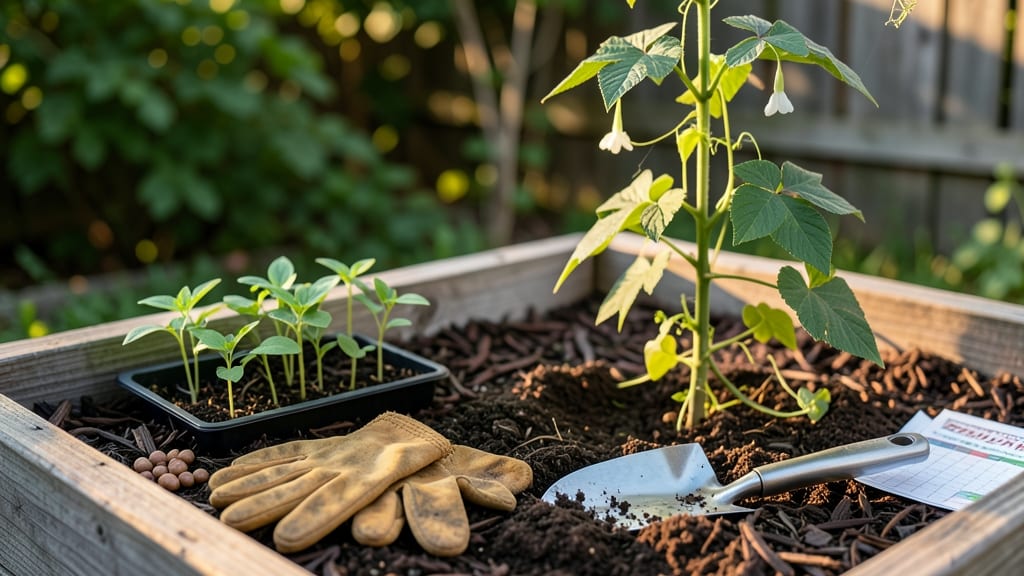
Planting beans in Minnesota isn’t just about dropping seeds in the dirt—it’s about beating the clock before frost steals your harvest.
With just 165 frost-free days in zones 4a-5b, timing your 🌱 plantings between mid-May and early June could mean the difference between a bountiful garden and a sad, wilted disappointment.
Most gardeners here make the mistake of planting too early, only to watch their tender seedlings turn to mush when temperatures dip. But here’s the secret: Wait until the soil hits at least 60°F and the last frost date has passed (usually around May 10–20).
That’s when your pole and bush varieties get the jumpstart they need to thrive.
In this guide, I’ll break down exactly when to plant for your specific variety, how to extend your harvest with succession planting, and what to watch for to avoid common Minnesota mistakes. Ready to grow beans that outlast the frost?
Let’s get your garden on track for a summer of crisp, homegrown pods—no guesswork, just results.
Minnesota bean planting timeline: frost dates and variety-specific schedules
Minnesota’s short growing season demands precision when planting beans—waiting until after the last frost (typically mid-May) is non-negotiable. But even then, soil temperature matters more than calendar dates. Beans thrive when soil reaches at least 60°F, which usually aligns with late May in most of the state.
Northern regions (like USDA Zone 4a) may need to wait until early June, while southern areas (like Zone 5b) can start planting as early as mid-May.
Choosing the right bean variety also impacts timing. Pole beans (like Kentucky Wonder) need more time to mature, so plant them 2-3 weeks earlier than bush beans (like Blue Lake). This staggered approach maximizes your harvest window before the first frost hits around mid-October.
For a continuous supply, plan to plant both varieties in late May and early June.
Here’s a quick reference for Minnesota’s bean planting timeline, tailored to your location and variety:
Pro tip: Use black plastic mulch to warm soil faster in cooler zones. This can shave off 1–2 weeks from your planting timeline, giving you an earlier start. Just remove it once beans are established to prevent overheating.
For northern Minnesota, consider starting seeds indoors in late April and transplanting after the last frost—just be sure to harden them off first!
If you’re in Zone 4a (like Duluth), err on the side of caution and wait until June 1 to plant. Cooler soils slow germination, and beans won’t thrive below 55°F.
Meanwhile, southern Minnesota (like Rochester) can push the envelope and plant as early as mid-May, especially if you choose heat-tolerant varieties like ‘Provider’ or ‘Blue Lake.’
One more critical tip: Monitor your local frost dates using the MN Department of Agriculture’s frost prediction tool. A late spring (like 2023) can push your planting window back by 2–3 weeks, so flexibility is key. For example, if frost lingers until May 25
How to extend your bean harvest: succession planting for Minnesota gardens
Minnesota’s short growing season means every day counts when it comes to harvesting beans. By using succession planting, you can stretch your harvest from early summer through late August—even into September if you’re lucky.
The key is staggering plantings every 2-3 weeks to ensure a continuous supply of fresh pods.
Start your first planting 2-3 weeks after your last frost date (typically mid-May). Since Minnesota’s frost-free window is only about 165 days, you’ll want to plan 2-3 batches of beans to maximize yield.
Pole beans, like ‘Kentucky Wonder’, take longer to mature, while bush beans, such as ‘Blue Lake’, can be harvested sooner.
Here’s how to time it right: Plant your first batch in mid-May, the second in early June, and a third in late June if your season is long. This ensures you’re not overwhelmed with a single harvest all at once.
For late varieties, like ‘Provider’, you can even squeeze in a July planting for a fall harvest before frost.
Select early-maturing bush beans (50-60 days) for your first planting and longer-season pole beans (60-75 days) for later batches.
Plant each new batch after the previous one has sprouted to avoid overcrowding and ensure even growth.
Wait until soil reaches at least 60°F before planting each batch—cold soil slows germination and weakens seedlings.
Use row covers or cold frames for June/July plantings to shield seedlings from late frosts (common in Minnesota’s unpredictable springs).
Pick pods every 2-3 days to encourage more production. For pole beans, trim old pods to redirect energy to new growth.
Succession planting isn’t just about timing—it’s also about soil prep. Before each new batch, mix in compost or aged manure to replenish nutrients. Beans are nitrogen-fixers, but they still benefit from balanced fertilizer (5-10-10) applied lightly at planting and again when flowers appear.
Don’t forget to rotate your planting locations each year to prevent soil-borne diseases. If you’re short on space, consider container gardening—grow bags or large pots work well for bush beans, while trellises save space for pole varieties.
With this method, you’ll enjoy fresh beans from the garden for weeks longer than a single planting allows.
Pro tip: Keep a harvest journal to track which varieties perform best in your microclimate. Some years, Minnesota’s weather might push your season earlier or later—adjust your plantings accordingly. The goal? More beans, less waste, and a garden that keeps giving all summer long. 🌱