
Plants
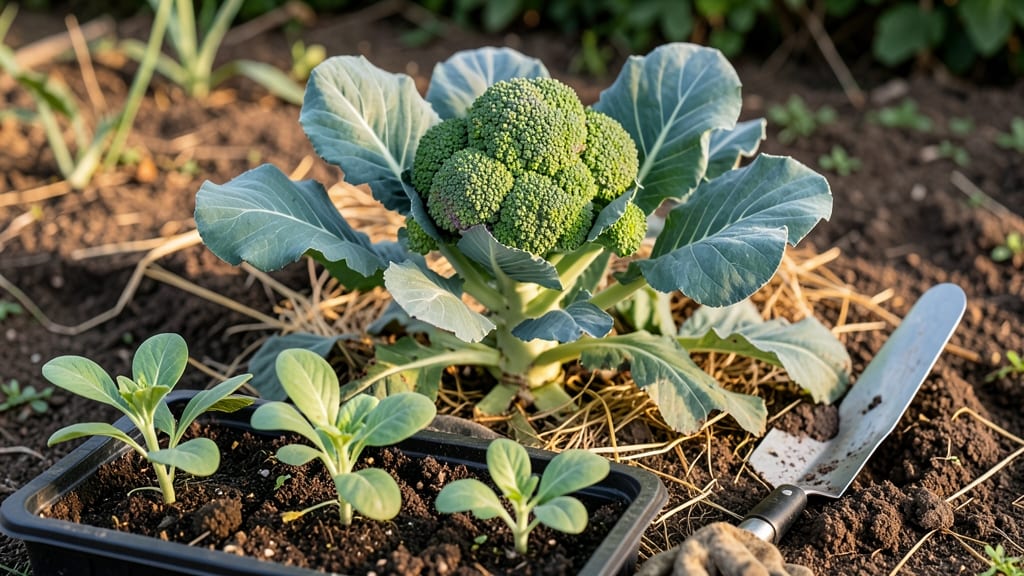
Timing your 🥦 broccoli planting in Indiana can mean the difference between a thriving garden and a disappointing harvest. With USDA zones 5b-6b bringing unpredictable frosts, knowing exactly when to plant is the key to avoiding stunted growth or early bolting.
Most gardeners in Indiana focus on two ideal windows: early spring and late summer. But getting the timing right requires more than just checking a calendar—it’s about understanding your local frost dates and soil temperatures.
I’ll break down the exact weeks to start seeds indoors or transplant seedlings for both spring and fall crops.
Whether you’re a first-timer or a seasoned gardener, these insights will help you plan for a successful harvest from May through November. Let’s dive into the frost-free schedule that works best for your zone.
You’ll discover how to extend your growing season with row covers, choose the right varieties for Indiana’s climate, and avoid common mistakes that waste time and effort. Ready to grow your best 🥦 broccoli yet?
Indiana broccoli planting calendar: exact dates by Zone 5-6 for spring and fall crops
Indiana’s USDA Zones 5b-6b offer two prime windows for planting broccoli: early spring and late summer. The key is avoiding late frosts (typically after April 15) while ensuring enough frost-free days (at least 60 days) for a full harvest.
For Zone 5b, aim for slightly later dates, while Zone 6b can push boundaries by 1-2 weeks.
Spring planting is riskier due to unpredictable frosts, so I recommend using row covers or starting seeds indoors 4-6 weeks before your target outdoor date. Fall crops, however, often yield better results because cool evenings prevent bolting—a common issue in Indiana’s hot summers.
Here’s the breakdown for spring vs. fall planting, including backup dates if your season runs late:
| Stage | Zone 5b (Northern IN) | Zone 6b (Southern IN) | Notes |
|---|---|---|---|
| Indoor Seed Start (Spring) | March 1–15 | February 25–March 10 | Use grow lights; keep soil at 65–75°F. |
| Outdoor Transplant (Spring) | April 15–May 1 | April 1–April 15 | Harden off seedlings first; use frost cloth if nights dip below 32°F. |
| Direct Sow (Spring) | April 20–May 5 | April 10–April 25 | Sow 1/4-inch deep; thin to 18–24 inches apart. |
| Indoor Seed Start (Fall) | July 15–31 | July 1–15 | Avoid overcrowding; use cool-season varieties. |
| Outdoor Transplant (Fall) | August 15–September 1 | August 1–August 15 | Plant in partial shade to avoid bolting. |
| Direct Sow (Fall) | August 20–September 5 | August 10–August 25 | Sow 1/2-inch deep; mulch to retain moisture. |
| Backup Dates (Late Start) | May 10–15 (Spring) | April 20–25 (Spring) |
How to extend Indiana’s broccoli growing season: row covers, succession planting, and cold-hardy varietiesIndiana’s short growing season and unpredictable frosts can make broccoli cultivation challenging, but with the right strategies, you can extend harvests by weeks—or even months. I’ve found that combining row covers, succession planting, and cold-hardy varieties transforms my garden into a year-round broccoli powerhouse. Let’s break down how to maximize your yield in Hoosier soil. First, focus on cold-hardy varieties like ‘Waltham 29’ or ‘Calabrese,’ which tolerate light frosts (25°F) without bolting. These varieties are my go-to for early spring and late fall plantings because they mature faster (50–60 days) and withstand cooler temperatures better than heat-sensitive types. Plant them 4–6 weeks before your last frost date for spring or 8–10 weeks before the first frost in fall.
1
Cold-Hardy Varieties
Waltham 29: Tolerates 25°F, 55–65 days to harvest, ideal for spring and fall.
Calabrese: Heat-tolerant but thrives in 50–60°F, perfect for late summer starts.
De Cicco: Compact (18 inches), bolts less in heat, great for succession.
Pro Tip: Mix varieties to stagger harvests and avoid bolting from temperature swings.
For early spring plantings, use frost cloth or row covers to protect seedlings from late frosts (28–32°F). I start covers 2–3 weeks before the last frost date and remove them when daytime temperatures consistently stay above 50°F. This buys you 3–4 extra weeks of growth before transplanting. Just remember to ventilate covers on warm days to prevent overheating. Succession planting is another game-changer. Instead of planting all your broccoli at once, stagger seeds every 2–3 weeks from mid-March to early May. This ensures a continuous harvest and reduces the risk of bolting from heat stress. For fall, repeat the process from mid-July to early September, aiming to harvest before hard frosts hit (25°F). Don’t overlook soil preparation—broccoli thrives in well-draining, nutrient-rich soil with a pH of 6.0–7.0. Amend your beds with compost or aged manure before planting, and mulch with straw to retain moisture and suppress weeds. I’ve also had success using black plastic mulch in early spring to warm the soil faster and jumpstart growth. Finally, monitor your plants for heat stress signs like yellowing leaves or stunted growth. If temperatures exceed 85°F for more than a few days, provide afternoon shade with shade cloth (30–50% coverage) to prevent bolting. With these strategies, you can enjoy homegrown broccoli from late spring through fall, even in Indiana’s variable climate. |