
Plants
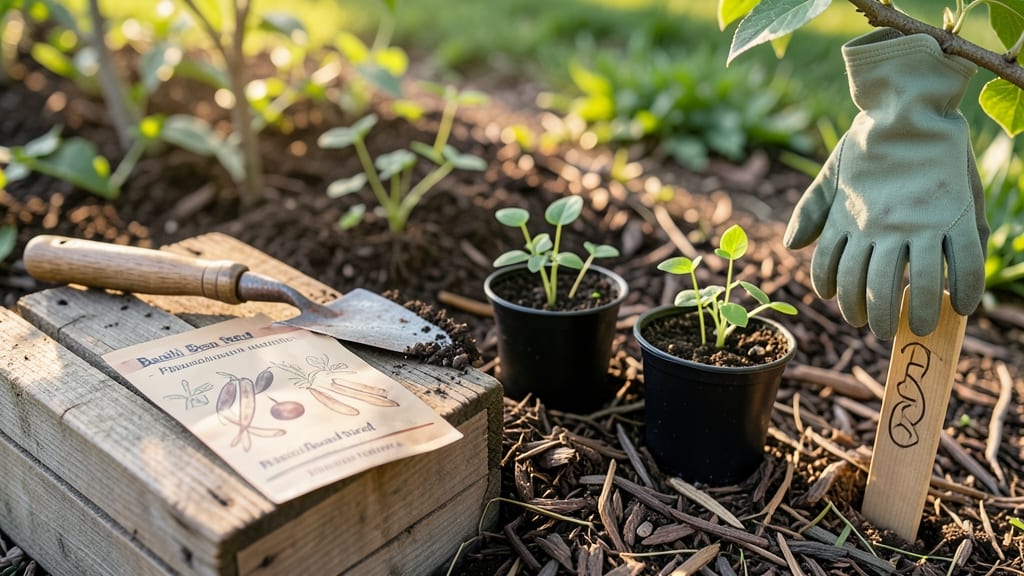
Planting beans in Kansas at the wrong time can mean the difference between a bountiful harvest and a wasted effort—especially when unpredictable spring weather throws off your plans.
The key to success lies in understanding your Heat Zone 6 climate, where last frost dates vary dramatically from west to east, and soil temperatures must reach 60°F before seeds even think about sprouting.
Most Kansas gardeners know the general rule: wait until after April 15, but that’s just the starting line. What you really need is a strategy tailored to your specific microclimate, whether you're in the cooler 5b zones of northeast Kansas or the warmer 7a areas of the southwest.
Let’s break down the exact windows for bush beans, pole beans, and even those late-summer varieties that thrive when temperatures climb.
Timing isn’t just about dates—it’s about preparing your soil, choosing the right varieties, and knowing when to adjust for Kansas’s infamous late-spring cold snaps.
I’ll walk you through everything from soil warming tricks to backup planting dates, so you can avoid the heartbreak of watching your 🌱 beans bolt in the heat or rot in the cold.
By the end, you’ll have a clear, actionable plan to plant beans at the perfect moment—ensuring a harvest that stretches from July through September, no matter where in Kansas you garden. Let’s get those seeds in the ground the right way, the first time.
Optimal bean planting dates in Kansas by variety (heat zone 6 guide)
Kansas’s Heat Zone 6 climate demands precision when planting beans—miss the window, and you risk frost damage or stunted growth.
The best time to plant bush beans and pole beans aligns with soil temperatures above 60°F and after the last frost date, typically around April 15 to May 30. However, Kansas’s unpredictable weather means flexibility is key.
For early-spring plantings, focus on cold-tolerant varieties like Blue Lake Bush or Kentucky Wonder Pole. These can handle 50°F soils and give you a head start.
Late-spring plantings (after May 15) work well for heat-resistant varieties like Roma II or Contender, which thrive in Kansas’s summer heat.
Don’t overlook summer plantings either! Sow a second crop in late June to July for a fall harvest. This strategy extends your growing season and ensures fresh beans even as temperatures rise. Just be sure to choose drought-tolerant varieties like Provider or Blue Lake to handle Kansas’s dry spells.
Soil temperature is your best guide—use a soil thermometer to confirm it’s 60°F+ before planting. Cold soil slows germination, leaving seeds vulnerable to rot. If temperatures dip unexpectedly, use row covers or wait until conditions stabilize.
Direct sowing is the gold standard for beans, as they hate transplanting. Drop seeds 1 inch deep and 3-4 inches apart in rows spaced 18-24 inches apart for bush beans or 4-6 feet apart for pole beans. Thin seedlings to avoid overcrowding, which invites disease and reduces yield.
Here’s how Kansas gardeners adjust planting dates by region—western Kansas (drier, hotter) may plant 1-2 weeks later than eastern Kansas (cooler, wetter). Elevation also plays a role: higher areas like Salina or Hays often have later frost dates than Topeka or Wichita.
Pro tip: Succession planting every 2 weeks after your initial date ensures a continuous harvest. This works especially well for bush beans, which mature quickly. For pole beans, stagger plantings to extend the harvest window into late summer.
If you’re new to beans, start with bush varieties—they’re easier to grow and require less space. Pole beans, while rewarding, need strong trellises to support their 4–6 foot vines. In Kansas’s windy conditions, secure trellises with stakes or heavy-duty netting to prevent toppling.
Remember, soil prep matters just as much as timing. Amend your soil with compost or well-rotted manure before planting to improve drainage and fertility. Beans are nitrogen-fixers, so avoid over-fertilizing—they’ll thrive with low-phosphorus, high-potassium soil.
With the right timing and variety, your Kansas bean harvest can stretch from July to September, giving you fresh pods for canning, freezing, or snacking straight from the vine. Happy planting! 🌱
How to adjust planting for Kansas’s unpredictable weather patterns
Kansas’s unpredictable spring weather can throw off even the best-laid planting plans. One day it’s 60°F and sunny, the next it’s 30°F with frost. To protect your bean crop, I’ve learned to plan for flexibility—because Mother Nature in Kansas doesn’t always follow the calendar.
Start by checking your local last frost date, which varies across the state. Western Kansas (Heat Zone 6) typically sees its last frost around April 15-20, while eastern regions may wait until May 1-5.
But don’t rely solely on dates—watch the forecast and test your soil temperature with a soil thermometer.
Here’s my go-to strategy for Kansas gardeners: Plant your first batch of beans when soil reaches 60°F (use a black plastic mulch to warm it faster if needed).
Then, have a backup planting ready for May 15-30 in case of late frosts. This two-step approach ensures at least one reliable harvest.
⚠️ Kansas Frost Risk Zones
Western KS: Last frost April 15-20—plant early but cover seedlings if nights dip below 40°F.
Central KS: Last frost April 25-May 5—wait until soil is consistently 60°F before planting.
Eastern KS: Last frost May 1-10—focus on heat-tolerant varieties like 'Blue Lake' or 'Kentucky Wonder'.
If a late frost hits after planting, don’t panic. Use row covers or frost cloth to protect young seedlings. I’ve saved entire rows by tossing a lightweight blanket over plants during 32-40°F nights. Just remember to remove covers by 10 AM to avoid overheating.
Another Kansas-specific trick? Plant pole beans slightly later than bush beans—their taller stems recover faster from cold snaps. And if your summer brings drought-like conditions, opt for drought-resistant varieties like 'Rattlesnake' beans, which thrive with less water once established.
Finally, keep a planting journal to track what works in your microclimate. Note when you planted, any weather surprises, and how your beans performed. Over time, you’ll spot patterns—like that June 10 is the safest date in your area—and adjust accordingly. Kansas gardening is all about adaptability! 🌱