
Plants
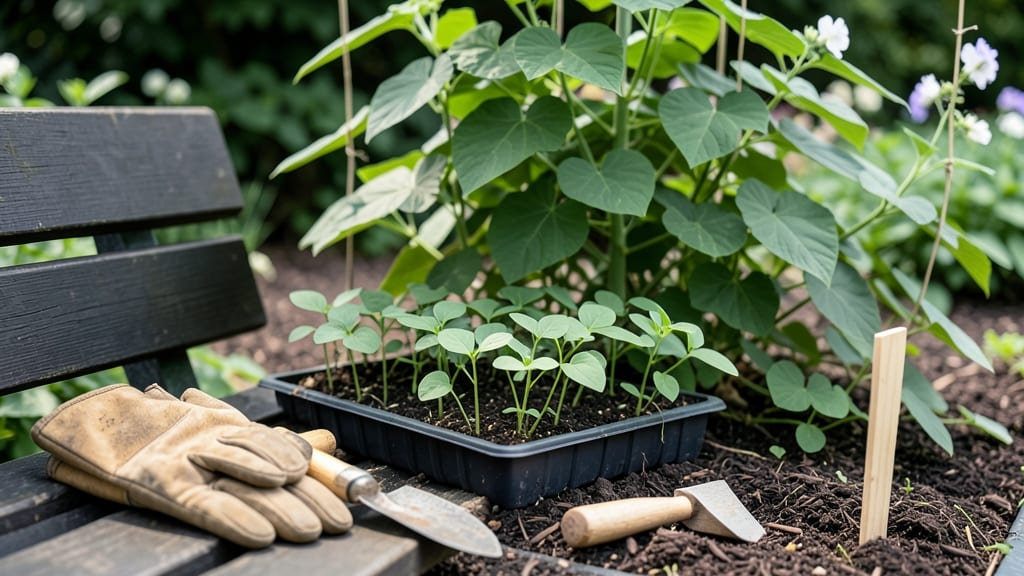
Planting beans in Georgia at the wrong time could mean the difference between a bumper crop and wasted seeds—so getting those dates right is everything. With USDA zones 7b-8b and a long growing season, you’ve got two prime windows: spring and fall, but timing matters more than you think.
The key to fast germination? Soil temperatures must hit 60°F+—that’s why your spring planting should wait until after March 15 (when frost risk drops) and your fall beans need to go in by September 15 to avoid early cold snaps.
Miss these marks, and you’ll risk slow starts or stunted growth.
Here’s the game-changer: bush beans and pole beans each have their own sweet spot. Bush varieties thrive when planted in March-April, while pole beans—with their longer growing season—need that August-September window to mature before winter sets in. Let’s break down the exact calendar for your region’s microclimate.
Whether you’re in the Coastal Plain or Piedmont, I’ll show you how to align your planting with Georgia’s frost-free days, soil temps, and even succession planting tricks to stretch your harvest from June through November. Ready to turn your garden into a bean bonanza?
Georgia bean planting calendar: soil temperature rules for fast germination
Timing your bean planting in Georgia isn’t just about avoiding frost—it’s about soil temperature. Beans need 55°F+ for bush varieties and 60°F+ for pole beans to germinate properly. Cold soil slows growth, leading to weak seedlings or even rot.
Georgia’s diverse regions (Coastal, Piedmont, Mountains) have different ideal planting windows, so let’s break it down by USDA zones 7b-8b.
For North Georgia (higher elevations), aim for April 15–May 1 to catch the last frost window. Central Georgia gardeners can start as early as March 20–April 15, while South Georgia enjoys a longer window from March 1–April 30.
Always check your local last frost date (typically March 15 for most areas) and plant 1–2 weeks after to ensure safety.
🌱 Pro Tip: Use a soil thermometer ($10 at garden centers) to confirm temps before planting. If your soil is below 55°F, wait—even if the air feels warm. Patience now means faster germination and healthier plants later.
Georgia Bean Planting Calendar by Region
| Region | USDA Zone | Ideal Planting Window | Soil Temp Requirement | Last Frost Date |
|---|---|---|---|---|
| North Georgia (Mountains) | 7b | April 15–May 1 | 60°F+ | March 20–April 1 |
| Central Georgia (Piedmont) | 7b-8a | March 20–April 15 | 55°F+ (bush), 60°F+ (pole) | March 15–March 25 |
| South Georgia (Coastal Plain) | 8a-8b | March 1–April 30 | 55°F+ (bush), 60°F+ (pole) | February 28–March 15 |
🌡️ Note: Pole beans need warmer soil (60°F+) than bush beans.
💡 Why soil temp matters: Beans won’t germinate below 55°F. If you plant too early, seeds may rot in cold, wet soil. Use black plastic mulch to warm soil faster—it can raise temps by 5–10°F in just days.
For pole beans, wait until soil hits 60°F; their longer growing season benefits from a head start.
Georgia’s fall planting window (August 1–September 15) is another opportunity, but soil temps drop faster in September. Test soil temps weekly in late summer—if it falls below 60°F, switch to cold-hardy varieties like ‘Contender’ or ‘Henderson’.
These tolerate cooler nights and extend your harvest into October or November.
🌿 Regional Tip: Coastal Georgia gardeners can push limits with early March plantings thanks to milder winters, but North Georgia should wait until mid-April to avoid frost. Always monitor 7-day forecasts for unexpected cold snaps—even in spring.
For container gardening, soil warms faster in pots. Plant 1–2 weeks earlier than in-ground beans, but use heat mats if night temps dip below 50°F. Containers also dry out quicker, so water consistently to maintain moisture without waterlogging.
✅ Quick Checklist Before Planting:
- Soil temp: 55°F+ (bush), 60°F+ (pole)
- Last frost date: 2 weeks passed
- Sunlight: 6+ hours daily
- Soil pH: 6.0–7.0 (test with a kit)
- Seed depth: 1–2 inches deep
🌱 Final Advice: If you’re unsure about soil temps, start with bush beans—they’re more forgiving than pole beans. For pole varieties, wait for consistent 60°F+ soil and prepare trellises early to maximize vertical growth. With the right timing, you’ll enjoy harvests from June to November!
Bush vs. pole beans in Georgia: which to plant and when to sow for maximum yield
Georgia gardeners have two main bean options: bush beans (compact, fast-growing) and pole beans (vining, higher-yielding). Your choice depends on space, climate, and harvest timing—and Georgia’s diverse regions demand different strategies. Let’s break down the key differences and regional planting windows to maximize your harvest.
Bush beans like ‘Blue Lake’ or ‘Contender’ mature in 45-60 days, making them ideal for Georgia’s short spring and fall seasons. Pole beans such as ‘Kentucky Wonder’ or ‘Rattlesnake’ take 60-90 days but produce 3x more beans per square foot.
For North Georgia’s cooler microclimates, bush beans often outperform pole beans, while South Georgia’s longer summers favor pole varieties.
| Factor | Bush Beans | Pole Beans |
|---|---|---|
| Growth Time | 45-60 days | 60-90 days |
| Planting Window | March 15–April 30 | April 15–May 15 |
| Yield Potential | Moderate (1-2 lbs/plant) | High (3-4 lbs/plant) |
| Space Needs | Compact (12" spacing) | Trellis (4-6" spacing) |
| Best Regions | North GA (cooler) | South GA (warmer) |
For North Georgia (USDA Zone 7b), aim to plant bush beans March 15–April 15 to avoid late frosts. In South Georgia (Zone 8a), extend your window to April 15–May 1 for pole beans.
A pro tip: Use black plastic mulch to warm soil faster in cooler regions—this can shave 1-2 weeks off your planting timeline.
Pole beans thrive in Georgia’s longer summers, but they need strong trellises (6+ feet tall) to support vines. If you’re in Atlanta or the Piedmont, start pole beans April 20–May 10 for a late-summer harvest.
For Coastal Georgia, you can push the envelope to May 15–June 1 with shade cloth during peak heat.
Fall planting is trickier but possible. Bush beans like ‘Henderson’ can be sown August 1–September 15 in South Georgia, while North Georgia gardeners should stick to August 1–September 1 for bush varieties only.
Pole beans rarely succeed in fall due to shorter daylight and earlier frosts—but if you’re ambitious, try ‘Scarlet Runner’ with row covers.
Remember: Soil temperature is non-negotiable. Use a soil thermometer to confirm 55°F+ for bush beans and 60°F+ for pole beans before planting. In Georgia’s unpredictable spring, wait for consistent daytime highs of 70°F+ to ensure germination.
Experiment with both types—bush beans for quick harvests and pole beans for bounty—and adjust your schedule based on your microclimate. With the right timing, you’ll enjoy fresh beans from June through October in Georgia’s garden! 🌱