
Plants
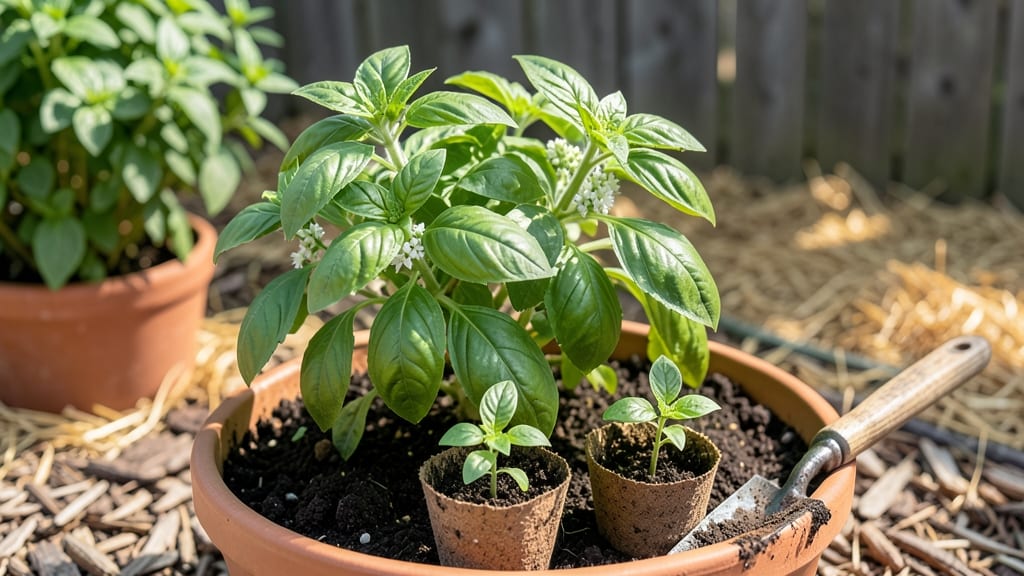
Planting basil at the wrong time in Oregon can turn your 🌿 sweet herb into a bitter, bolted mess—unless you time it just right.
The key to lush, flavorful basil lies in waiting for soil to warm (after April 15 in most zones) and avoiding those sneaky late frosts that love to sneak up on gardeners.
Whether you're in Portland's 7b or Medford's 9a**, those frost-free deadlines shift dramatically—and getting them wrong means wasted effort. I've grown basil for years in Oregon's tricky climate, and I'll show you exactly when to plant for zero-bolt success, plus how to stretch your harvest with smart timing.
Most gardeners rush to plant too early, only to watch their basil struggle through cool soil or bolt before it even flavors your pesto. The secret? Start seeds indoors 4-6 weeks before your last frost date, then transplant when soil hits 50°F—no guessing required.
Ready to grow basil that actually tastes like summer? Let's break down the exact planting windows by zone, plus pro tips to keep your plants thriving from June through October—even in Oregon's unpredictable weather.
Oregon basil planting timeline by USDA Zone (avoid bolting and frost damage)
Oregon’s USDA zones 7b–9a create unique challenges for growing basil. Coastal areas like Astoria (Zone 8a) have milder winters, while inland cities like Bend (Zone 7b) face earlier frosts. To avoid bolting (premature flowering) or frost damage, timing is everything.
Plant too early, and cold snaps ruin tender seedlings; too late, and your harvest window shrinks. Let’s break down the frost-free deadlines by zone so you can grow basil that’s sweet, not bitter.
Basil thrives in warm soil (50°F+) and consistent temperatures above 50°F. In Oregon, this means waiting until mid-April to early June for spring plantings or late July to August for a fall harvest. But your exact deadline depends on your microclimate.
Coastal areas can plant 2–3 weeks earlier than inland zones, while high-desert regions like La Pine (Zone 7a) may need to wait until late May.
Here’s the critical data you need: last frost dates, ideal transplant windows, and heat tolerance thresholds to keep your basil lush and productive. Miss these windows, and you’ll end up with bitter, woody stems or plants that bolt before you can harvest.
| USDA Zone | Last Frost Date | Ideal Planting Window | First Frost Risk | Notes |
|---|---|---|---|---|
| 7b (Bend, La Pine) | May 1–15 | Late May–early June | Late September–October 15 | High desert; use containers for warmth. |
| 8a (Portland, Salem) | April 15–May 1 | Mid-April–early June | October 1–15 | Cooler nights; opt for cold-hardy varieties. |
| 8b (Eugene, Corvallis) | April 1–15 | Early April–early June | October 10–20 | Willamette Valley; extend season with row covers. |
| 9a (Medford, Ashland) | March 15–April 1 | Mid-March–late May | October 20–November 1 | Longer growing season; try fall plantings. |
For spring plantings, aim to transplant basil 2–3 weeks after your last frost date. This gives the soil time to warm up and reduces the risk of cold shock.
In Zone 7b, this might mean waiting until late May, while Zone 9a gardeners can start as early as mid-March. Use a soil thermometer to confirm temps are above 50°F—basil roots won’t thrive in colder soil.
If you’re planting for a fall harvest, start seeds indoors in late July and transplant outdoors by early August. This gives your basil enough time to mature before the first frost.
In cooler zones (7b–8a), opt for fast-maturing varieties like Genovese or Thai basil, which can go from seed to harvest in 45–50 days.
Pro tip: Monitor your local microclimate. Urban areas like Portland can be 5–10°F warmer than surrounding rural zones due to the urban heat island effect. Check Oregon State University’s frost maps or use a frost calendar app to fine-tune your planting schedule.
Even a single late frost can set back your basil by weeks.
Once your basil is in the ground, protect it from temperature swings. Use black plastic mulch to warm the soil or row covers for overnight protection in Zone 7b–8a.
In containers, basil warms up faster and is easier to move to a sunny spot or greenhouse if frost threatens. This flexibility is why many Oregon gardeners swear by container-grown basil.
Remember: Basil bolts when stressed—whether from heat waves, drought, or cool nights. In Oregon’s unpredictable summer weather, keep plants well-watered and pinch off flowers to delay bolting.
With the right timing, you’ll enjoy fresh basil from June through September—or even into October in Zone 9a.
🌱
5 Pro tips to extend basil’s growing season in Oregon’s climate
Oregon’s cool nights and unpredictable frosts can cut basil’s harvest short—but these pro tips will keep your plants thriving from June through October. I’ve used every trick in the book to stretch my basil’s season, and these five strategies work like magic in Oregon’s Zone 7b-9a climate.
First, start seeds indoors in early April. This gives you a 4-6 week head start before transplanting after the last frost. Use grow lights to mimic summer conditions, and your seedlings will be ready to hit the garden by mid-May—just in time for Portland’s 60°F soil.
🌱
- Use a Cold Frame or Row Cover
Extend your harvest into October by protecting plants with a clear plastic tunnel or floating row cover. Even a black plastic mulch can add 5-10°F warmth to the soil, keeping roots cozy.
- Succession Plant Every 2 Weeks
Plant new seeds every 14 days from May through July. This ensures a continuous harvest—when your first batch bolts, the next is just coming in. I’ve had fresh basil on my table from June to October using this method.
- Choose Shade-Tolerant Varieties
If your garden gets afternoon shade, opt for Thai basil or Purple Ruffles. These varieties handle partial shade better than Genovese and stay productive longer in Oregon’s mixed-light conditions.
- Mulch with Straw or Grass Clippings
A 2-inch layer of mulch keeps soil consistently warm and retains moisture during Oregon’s dry summer spells. Plus, it suppresses weeds that compete with your basil for nutrients.
- Harvest Aggressively to Prevent Bolting
Pinch off flower buds and lower leaves regularly to encourage bushier growth. I harvest 2-3 leaves per stem every 3-4 days, and my plants stay lush and productive 30% longer than neighbors who let them flower.
Don’t forget to harden off seedlings before transplanting—acclimate them to outdoor conditions over 7-10 days to avoid shock. And if a late frost threatens? Pop a bucket over your plants for instant protection. With these tips, you’ll enjoy homegrown basil all season long, even in Oregon’s finicky climate.
☀️