
Companion Plants
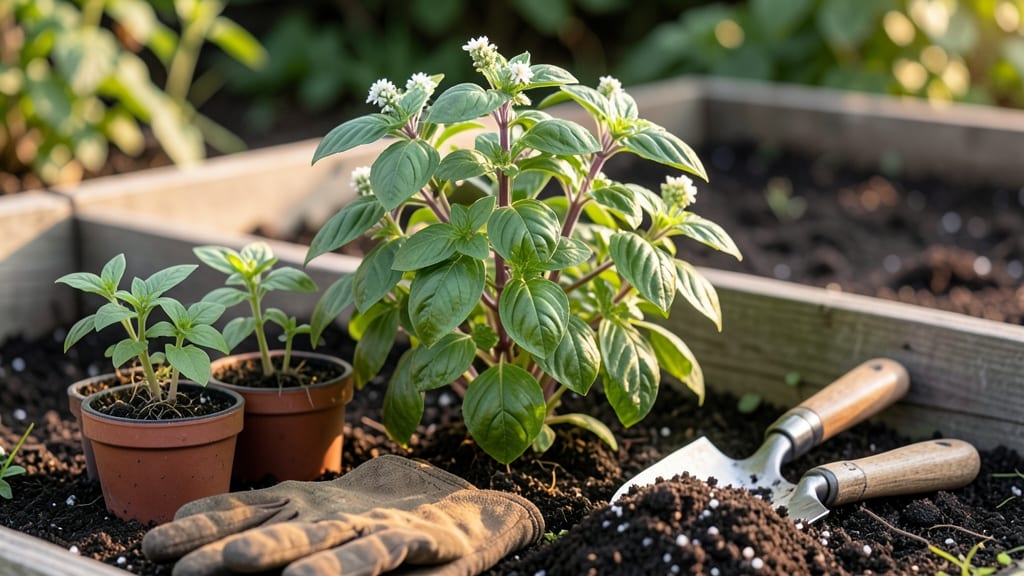
Planting basil 🌿 in California isn’t just about grabbing seeds and sticking them in the ground—it’s about outsmarting your microclimate. Whether you’re in foggy coastal zones where frost is rare or inland valleys where winter chill lingers, timing matters more than you’d think.
Get it wrong, and you’ll end up with leggy, flavorless stems instead of the fragrant harvest you crave.
The key? Understanding your specific zone—coastal areas can plant year-round, while inland valleys should wait until after the last frost (usually February or March). I’ve grown basil in both, and trust me, the difference is night and day.
You’ll learn exactly when to start seeds indoors, when to transplant outdoors, and how to stretch your growing season for continuous harvests.
Let’s break it down by region so you can avoid common mistakes like planting too early in cold snaps or waiting too long in summer’s scorching heat. With the right timing, you’ll have fresh basil from spring to fall—and maybe even year-round if you’re clever about it.
Ready to turn your garden into a flavor factory? I’ll show you how to pick the perfect window for your location, plus pro tips for keeping your basil thriving no matter where you live in the Golden State.
California basil planting calendar by microclimate: coastal vs. desert vs. valley
California's diverse climate means your basil planting schedule should match your local microclimate. Coastal areas like San Francisco enjoy frost-free winters, while inland valleys like Sacramento face chilly nights and desert regions like Palm Springs bake under intense summer sun.
Let's break down the ideal planting months for each zone to maximize your basil harvest.
For coastal California (USDA Zones 10-11), you can plant basil year-round thanks to mild winters. However, spring and fall remain the sweet spots for optimal growth. Inland Central Valley (Zones 9-10) and desert regions (Zone 10+) have different timelines to avoid heat stress or early frost.
Here’s a month-by-month comparison of when to plant basil in California’s three key zones, including soil temperature and frost risk considerations:
| Month | Coastal (San Francisco) | Central Valley (Sacramento) | Desert (Palm Springs) |
|---|---|---|---|
| January | ✅ Year-round (indoors/outdoors) | ❄️ Wait until March (soil temp: 60°F+) | ✅ Start indoors (soil temp: 70°F+) |
| February | ✅ Direct sow outdoors | ❄️ Wait until April (frost risk) | ✅ Transplant outdoors after last frost |
| March | ✅ Peak planting (60-70°F soil) | ✅ Start outdoors (soil temp: 65°F+) | ⚠️ Use shade cloth (avoid 90°F+) |
| April | ✅ Continuous planting | ✅ Succession plant every 2 weeks | ⚠️ Evening watering only (heat stress) |
| May-June | ⚠️ Shade cloth for seedlings | ⚠️ Shade cloth (10-30%) | ❌ Avoid planting (100°F+ soil) |
| July-August | ✅ Fall prep (succession plant) |
How to extend your basil growing season in California using 3 proven techniquesCalifornia’s diverse climate lets you grow basil almost year-round, but heatwaves and coastal fog can disrupt growth. The key is extending your growing season with simple, effective strategies. I’ve tested these three methods in my own garden—cold frames, row covers, and succession planting—and they’ve kept my basil thriving even outside ideal months. First, cold frames create a microclimate that protects tender basil seedlings from late spring or early fall frost risks. These low-cost, transparent enclosures trap heat during the day and insulate at night. In my coastal San Diego garden, I’ve used cold frames to start basil in February and October, giving me a head start before warmer weather arrives. Just ensure proper ventilation to prevent overheating. 1
Cold Frames
For cooler months or hotter inland areas, row covers (floating fabric tunnels) are a game-changer. These lightweight covers shield plants from chilly winds and late-season heatwaves. I’ve used them to protect my basil in the Central Valley during September and March, when temperatures dip unpredictably. Choose breathable fabric to allow airflow and prevent condensation buildup, which can lead to disease. 2
Row Covers
Finally, succession planting ensures a continuous harvest by staggering plantings every 2-3 weeks. This works especially well in California’s mild winters and long summers. In my container garden, I plant basil every 14 days from March to September, guaranteeing fresh leaves year-round. For in-ground gardens, mark planting rows with stakes to track progress and rotate crops to prevent soil depletion. With these three techniques, you can enjoy fresh basil 12 months a year in California—whether you’re sipping homemade pesto in January or harvesting for summer salads in August. The secret? Pay attention to your local microclimate and adjust timing accordingly. My coastal garden thrives with year-round plantings, while my desert friends focus on spring and fall successions to avoid summer stress. |