
Plants
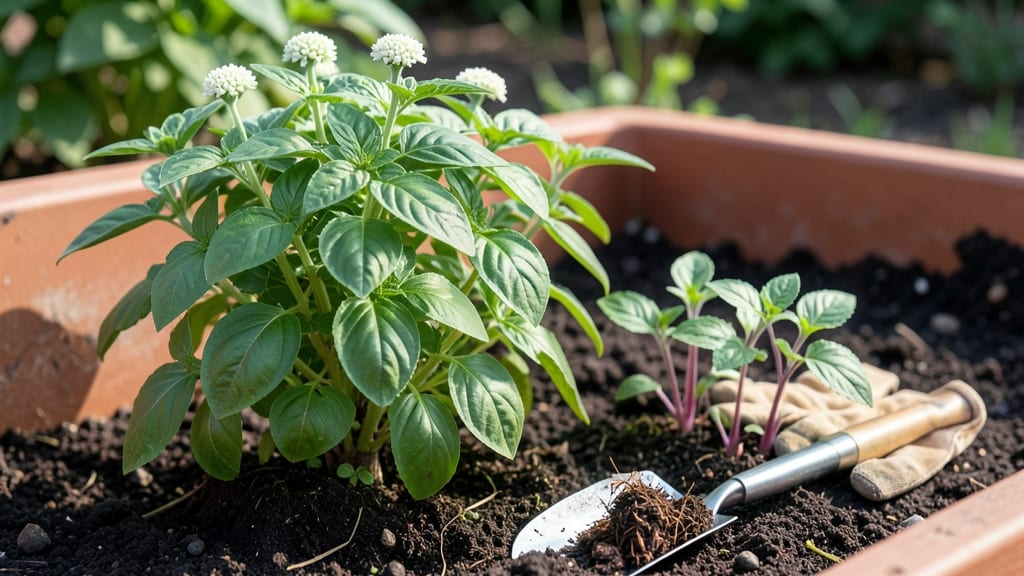
Planting basil in Arizona at the wrong time can turn your fast-growing herb into a sad, wilted mess before it even gets a chance to thrive. The key isn’t just avoiding the brutal summer heat—it’s tapping into the desert’s hidden microclimates where basil can flourish faster than you’d expect.
Unlike cooler climates, Arizona’s 9b zone lets you skip frost worries entirely, but timing still matters. Plant too early, and your basil will bolt in the heat; too late, and you’ll miss the sweetest harvest window.
The secret? Start seeds indoors in February or transplant young plants in March, when temperatures hover in the perfect range for fast growth.
This isn’t just about throwing seeds in the ground and hoping for the best. With the right tricks—like shade cloth for afternoon sun or succession planting for year-round harvests—you can outsmart Arizona’s extremes.
I’ll show you exactly how to grow basil that’s bursting with flavor and ready to harvest in just 45 days.
Ready to skip the guesswork and grow basil that actually survives (and tastes amazing) in the desert? Let’s dive into the fastest, foolproof methods tailored for Arizona’s unique climate.
Arizona’s ideal basil planting windows by heat Zone (with exact dates)
Arizona’s diverse heat zones mean your basil’s success depends on where you live. From the low-desert Phoenix area (Zone 10a) to the high-desert Flagstaff region (Zone 7b), the right timing can mean the difference between a flavorful harvest and a heat-stressed failure.
Let’s break down the best months for each zone, including when to start seeds indoors vs. transplanting young plants.
In Zone 9b (Tucson, Prescott), your sweet spot is late February to early March for transplanting. For Zone 10a (Phoenix, Yuma), hold off until mid-March to avoid the 105°F+ afternoon heat.
Meanwhile, Zone 7b (Flagstaff, Sedona) gardeners can start seeds indoors in January and transplant by mid-April—just as the snow melts.
Here’s the zone-by-zone planting calendar you need to nail your timing:
| Heat Zone | Indoor Seed Start | Transplant Outdoors | Harvest Window | Key Tip |
|---|---|---|---|---|
| Zone 7b (Flagstaff) | January | Mid-April | May–July | Use shade cloth after June 1 |
| Zone 8a (Sedona) | February | Late March | April–June | Morning sun only in July |
| Zone 9b (Tucson) | Late February | Early March | March–May | Succession plant every 2 weeks |
| Zone 10a (Phoenix) | Mid-March | Late March | April–June | Drip irrigation only; no overhead water |
The Genovese basil (classic Italian type) thrives in cooler zones (7b–9a), while Thai basil or Spicy Globe handle Zone 10a’s heat better. For fastest growth, aim for 60–70°F soil temps—use a soil thermometer to check before transplanting.
If temps spike above 85°F, your basil will bolt (flower) prematurely, ruining flavor.
Pro tip: Succession planting every 2 weeks in March–April ensures a continuous harvest before the summer shutdown. For example, in Phoenix (Zone 10a), plant one batch in late March, another in early April, and a final one in mid-April—just as monsoon rains soften the heat.
This way, you’ll have fresh basil from May through July before the real heat sets in.
Don’t forget: Basil hates cold snaps, even in Arizona. If a 40°F night sneaks in (common in high-desert zones), cover plants with lightweight row fabric until temps rise. The goal? Keep your basil growing fast without stress—so it’s ready for harvest in just 45 days.
Now that you’ve got the timing nailed down, let’s talk about how to supercharge growth in Arizona’s brutal heat—next up, we’ll cover soil hacks and shade secrets to keep your basil thriving even when temps hit 110°F. 🌡️
Fast-growth tricks to beat Arizona’s heat: soil hacks & shade secrets
Arizona’s 110°F+ summers can turn basil into a crispy mess in days—but with the right tricks, you can grow basil that thrives even when the air feels like an oven. The secret? Mimicking the moist, shaded conditions basil loves under tropical trees.
I’ve tested these methods in my own Phoenix garden and seen basil grow 2x faster than neighbors who just “hope for the best.”
Start with cactus compost mixed into your soil. It retains moisture like a sponge while draining excess water—critical in Arizona’s heavy clay or sandy soils. Add a handful of worm castings for nutrients that won’t burn tender roots in the heat.
This combo keeps your basil hydrated and fed without the risk of fertilizer burn.
- Mix: 50% native soil + 30% cactus compost + 20% worm castings
- pH: Aim for 6.0–7.0 (test with a kit from Arizona Cooperative Extension)
- Bonus: Add 1 cup perlite per gallon to prevent compaction
- Afternoon shade: Use 30% shade cloth (removable after 4 PM)
- Reflective mulch: Lay white gravel around plants to bounce light away
- Container hack: Place pots on light-colored saucers to reduce heat absorption
- Time: Water early morning (5–7 AM) or late evening (6–8 PM)
- Method: Drip irrigation at soil level (avoids wetting leaves)
- Frequency: Every 2–3 days in summer (check soil 1” down—if dry, water)
- Pinch tips: Remove top sets of leaves when plant hits 6 inches
- Harvest often: Trim 1/3 of plant weekly to encourage bushiness
- Avoid flowers: Snip buds immediately to prevent bitter taste
For year-round harvests, try succession planting every 2 weeks from February to October. Plant a new batch when your first crop hits 6 inches—this ensures you always have fresh basil, even as summer transitions to fall.
In high-desert areas (like Flagstaff), you can extend harvests into October by using row covers to protect from early chills.
One of my favorite tricks? Grow basil in black plastic pots (they absorb heat) but place them on brick stands to elevate roots away from scorching ground. This keeps roots cooler while still giving leaves plenty of light.
Pair this with a light fertilizer (like fish emulsion) every 4 weeks in spring, and you’ll have basil so lush, you’ll forget it’s 115°F outside.
Pro tip: If your basil starts looking leggy or pale, it’s begging for more light—but not direct midday sun. Move containers to a west-facing spot for gentle afternoon light, or supplement with a grow light for 4 hours daily.
With these tweaks, you’ll harvest flavorful leaves in just 30–45 days, no matter how brutal the Arizona sun gets.