
Plants
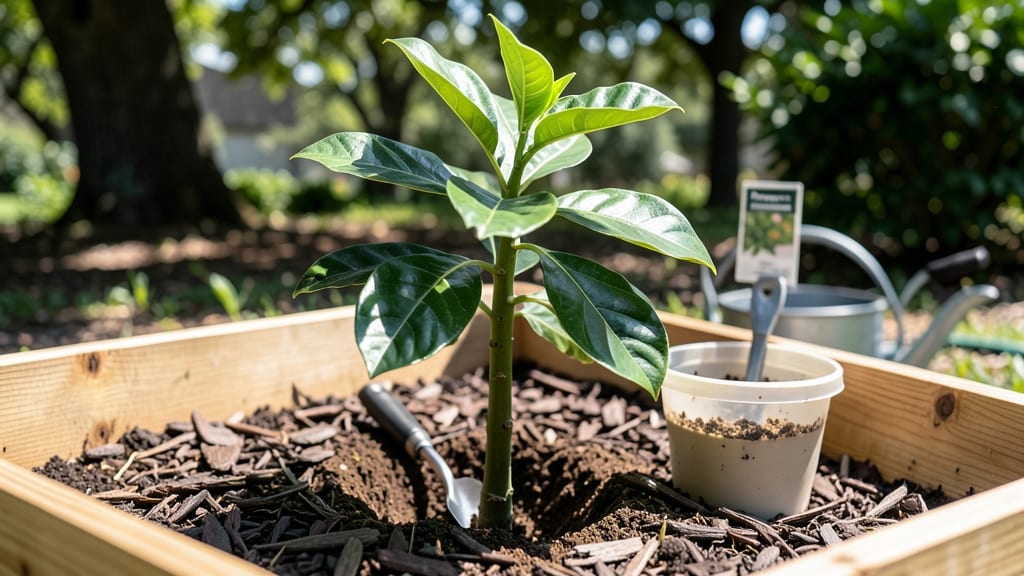
Planting when to plant an avocado tree in the ground at the wrong time can mean the difference between a thriving orchard and a sad, wilted sapling.
Unlike many plants, avocados demand precise timing—too early, and frost will fry those delicate roots; too late, and your tree might struggle to establish itself before winter sets in.
If you're in warmer climates like USDA Zones 9-11, the ideal window opens in late spring when soil temperatures hit 65°F or higher. But gardeners in cooler zones (like Zone 8) need to wait until after the last frost date—usually May or June
The key isn’t just the calendar; it’s understanding your local microclimate. I’ve learned the hard way that rushing the process can backfire. A young avocado tree planted too soon may develop stunted roots or even die from cold stress. Instead, focus on soil warmth, container readiness, and post-planting care to give your tree the best shot at survival. Let’s break down exactly what that means for your climate. Whether you’re a first-time grower or a seasoned gardener, getting the timing right ensures your avocado tree grows strong and healthy—so you can enjoy homegrown fruit for years to come. Ready to dig in? Here’s what you need to know before you plant.
Best planting months for avocado trees by USDA climate zones
Avocado trees (Persea americana) thrive in warm climates, but the perfect planting window depends on your USDA hardiness zone. In zones 9-11, you can plant year-round, but spring or early summer offers ideal conditions.
For zone 8 and cooler, wait until late spring or summer—after the last frost—to avoid root damage.
Soil temperature is critical: roots struggle below 60°F (15°C). Use a soil thermometer to confirm warmth before planting. In Southern California or Florida, you might plant as early as February, while Texas or Arizona gardeners can start in March or April.
Here’s a quick guide to align your planting with your zone:
| USDA Zone | Ideal Planting Months | Soil Temp Requirement | Key Considerations |
|---|---|---|---|
| 9-11 | Year-round (best: March–June) | 60°F+ (15°C+) | No frost risk; prioritize well-draining soil. |
| 8 | May–July (after last frost) | 65°F+ (18°C+) | Use frost cloth for young trees; avoid waterlogged soil. |
| 7 or cooler | June–August (container-grown only) | 70°F+ (21°C+) | Plant in large pots; move indoors in winter. |
In zone 9-11, spring planting (March–May) gives roots time to establish before summer heat. For zone 8, wait until after May 15 to ensure no late frosts. If you’re in zone 7 or cooler, stick to container growing unless you use a greenhouse.
Pro tip: Test soil pH (avocados prefer 6.0–7.0) and amend with compost or sand if your soil is heavy. Well-draining soil prevents root rot—a common killer of young avocado trees.
If you plant in summer (June–August), water deeply 2–3 times per week to help roots adjust. Avoid planting in fall unless you’re in a tropical zone—cool nights slow growth.
For container-grown trees, transplant when roots fill the pot. Look for roots circling the edges or growing through drainage holes. This usually happens in 3–6 months for young trees.
Remember: Avocado trees hate cold. Even a single frost can kill young leaves. Use mulch (3–4 inches) to insulate roots and retain moisture during dry spells.
🌱
Best planting months for avocado trees by USDA climate zones
Avocado trees thrive in warm climates where frost is rare, but the best planting time depends on your USDA hardiness zone. In zones 9-11 (like Southern California or Florida), plant during spring or early summer when soil temperatures consistently stay above 60°F (15°C).
This gives roots time to establish before summer heat peaks.
For zones 8 and cooler (e.g., parts of Texas or Arizona), aim for late spring to early summer, avoiding any risk of frost. Young trees are extremely frost-sensitive—even a light freeze can kill them. Always check your local last frost date and add 4-6 weeks to plan safely.
| USDA Zone | Ideal Planting Window | Soil Temp Requirement | Key Consideration |
|---|---|---|---|
| 9-11 (e.g., Florida, California) | March–May or September–October | 60°F+ (15°C+) | Avoid summer heat stress |
| 8 (e.g., Southern Texas, Arizona) | April–June | 65°F+ (18°C+) | Use frost cloth if late frosts occur |
| 7 or cooler (e.g., Central California) | June–July (container-grown only) | 70°F+ (21°C+) | Move indoors in winter |
In warm coastal zones, like Southern California, you can plant as early as February if nights stay above 50°F (10°C). However, avoid planting in summer—intense heat can shock roots. Instead, opt for early fall to give trees time to establish before winter rains.
For container-grown avocado trees, timing is flexible. You can plant them year-round in frost-free zones, but spring or fall still offers the best balance of soil warmth and moisture availability. If transplanting from a pot, do it on a cloudy day to reduce stress.
Always test your soil drainage before planting. Avocados hate soggy roots—amend heavy clay with compost or sand to prevent rot. A slightly acidic to neutral pH (6.0–7.5) is ideal for root health and nutrient uptake.
Pro tip: Mulch heavily after planting to retain moisture and regulate soil temperature. Use organic mulch like wood chips or straw, keeping it 3–4 inches away from the trunk to avoid rot.